The Dishwasher Dilemma in Indian Kitchens
- Nishadil
- October 11, 2026
- 0 Comments
- 4 minutes read
- 12 Views
- Save
- Follow Topic
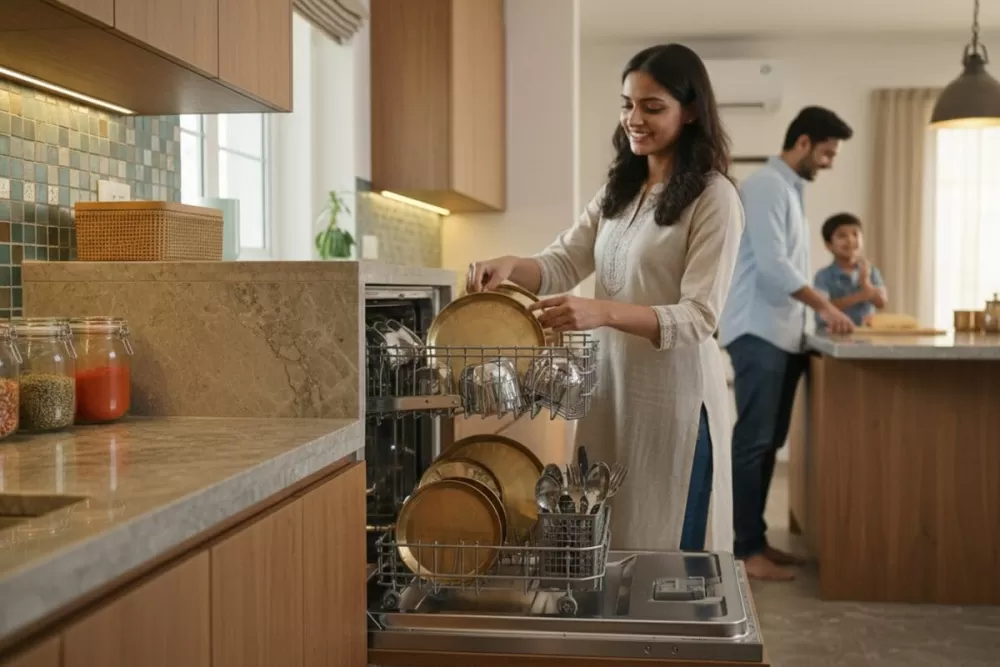
Why Dishwashers Still Feel Foreign in Indian Homes – and How They Can Actually Work
Indian kitchens juggle pressure cookers, masala‑stained steel bowls and a beloved kadai. This article explores the trust gap, practical tips and buying cues for making a dishwasher work at home.
When you first bring up a dishwasher in a typical Indian household, the conversation seldom starts with electricity bills or water consumption. No, it almost always drifts to that battered iron kadai that survived a weekend feast and is now wobbling on the stove.
That focus isn’t random. Our kitchens are stocked with heavy‑duty gear – pressure cookers that have seen a dozen whistles, steel bowls slick with oil, tiffin boxes layered in rice, and wooden spoons that have been through countless ladles of masala. Hand‑scrubbing has been the trusted rite of passage for generations, so the idea of shoving a pile of these items into a metal box and hoping for the best feels, frankly, a bit suspect.
Surprisingly, though, many first‑time owners discover that a dishwasher can handle the everyday Indian load – provided you load it the right way and use a suitable detergent. The magic isn’t in the machine; it’s in the method. Burnt residue stays burnt, delicate glassware still needs a gentle touch, and wooden or non‑stick items that the manufacturer warns against should stay out.
There’s a learning curve that feels a lot like packing a suitcase for a long trip. Where does the large pressure cooker go? Which side should the plate face? Does that lone spoon belong in the upper rack or the utensil holder? After a week or two of trial‑and‑error, the choreography becomes second nature and you stop counting the minutes.
One habit that crops up is pre‑rinsing. Some families scrub the dishes almost clean before the machine sees them, turning the appliance into an expensive rinsing cabinet. A quick scrape to remove chunks is sensible, but a full wash before loading defeats the purpose of automation.
The real payoff is the time saved and the routine it creates. For dual‑working couples, large families, or anyone who’d rather spend the post‑dinner minutes chatting than scrubbing, a dishwasher removes one repetitive chore from the daily grind.
Choosing the right model is where the typical appliance‑shopping drama resumes. In Indian homes, rack flexibility often trumps flashy displays. The ability to swing racks, fold sections, or accommodate a bulky kadai can be a game‑changer. Noise matters if your kitchen opens onto the living room, and capacity matters if you prefer a single night‑time run over two daytime cycles. A decent quick‑wash setting can rescue lighter loads without wasteful energy use.
Premium models promise whisper‑quiet operation, smarter interiors, auto‑programmes, better drying and even app control. They’re nice to have, but if your goal is simply a reliable clean after dinner, a mid‑range unit usually does the job just fine.
Don’t forget the hidden costs: dishwasher‑specific detergent, rinse‑aid (if required), periodic cleaning and occasional service calls. These expenses don’t make the purchase a bad idea; they just shift the total cost of ownership away from the sticker price.
And yes, measure twice, buy once. Width, depth, door swing, water inlet, drain location and power socket all need to fit your kitchen layout. It’s a painfully obvious step that many skip until a gorgeous machine shows up to clash with a cramped cabinet.
Would I recommend a dishwasher for every Indian home? Not universally. A small family that uses few utensils, or a household that’s already happy with its hand‑wash rhythm, may not feel the upside. Space constraints can also be a deal‑breaker.
But dismissing it outright because “it doesn’t work for Indian cooking” is an argument that’s grown stale. If your family is ready to tweak the way dishes are collected, loaded and run, a dishwasher can fade into the background – and that’s the highest compliment you can give any appliance.
Meanwhile, the trusty kadai will keep testing our patience, whether it meets a human hand or a machine’s spray.
Editorial note: Nishadil may use AI assistance for news drafting and formatting. Readers can report issues from this page, and material corrections are reviewed under our editorial standards.