
The Lingering ‘Hangover’ of AQI 500: What Happens Inside Your Body After a Day in Smog
- Nishadil
- November 07, 2026
- 0 Comments
- 4 minutes read
- 14 Views
- Save
- Follow Topic
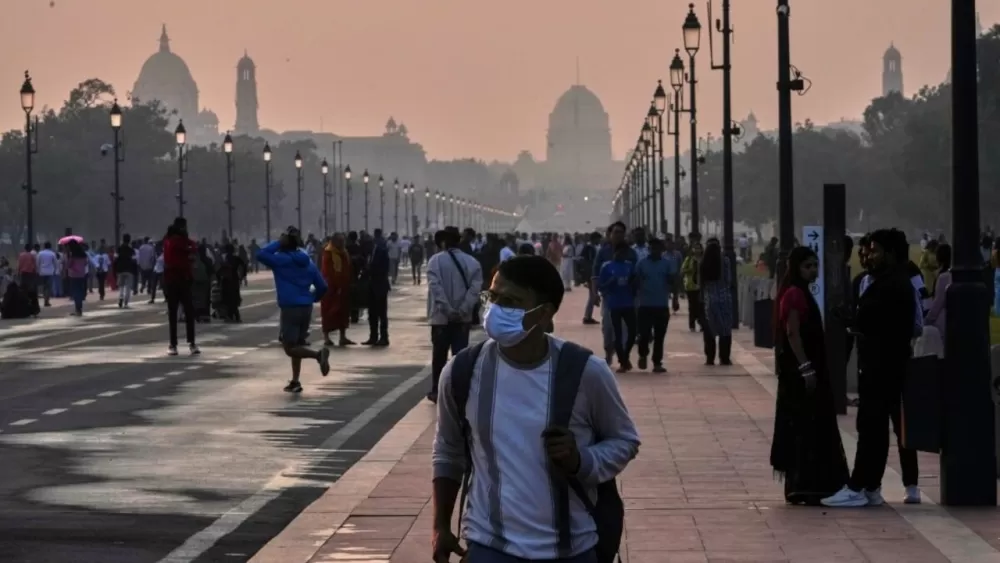
AQI 500 Exposure – Your Body’s 6‑, 12‑ and 24‑Hour Response
Even after you step indoors, the fallout from breathing AQI 500 air can linger for a full day, messing with your heart, vessels and inflammation levels.
When the air‑quality index spikes past the 500 mark, stepping outside feels like walking into a cloud of invisible knives. Commuters, schoolchildren, anyone who lingers a few minutes at a traffic light is inhaling a cocktail of tiny, nasty particles called PM2.5. The immediate reaction—cough, irritation, maybe a headache—is only the tip of the iceberg.
Masking up, limiting outdoor trips and turning on an air purifier are all smart moves, but they don’t magically erase what’s already entered your lungs. The body continues to wrestle with the pollutants for hours after you’re back behind a closed door, especially when the smog persists day after day.
Six hours in: Within the first half‑day, the cardiovascular system takes the hit. Fine particles slip deep into the alveoli, spark oxidative stress and set off a chain reaction that nudges the heart’s rhythm off‑balance and makes blood vessels stiffer. Doctors say this can translate into a fleeting rise in blood pressure or an odd flutter in the chest—even if you feel fine on the surface.
At the twelve‑hour mark: The external exposure may have stopped, but the internal alarm keeps ringing. Inflammation, the body’s natural defence, sticks around. It’s not just the lungs that feel it; the inflammation drifts into the bloodstream, subtly irritating the lining of vessels and tweaking how blood flows. That’s why you might still feel a low‑grade fatigue or a slight tightness in the chest well after the sun sets.
Twenty‑four hours later: Research published in the American Journal of Respiratory and Critical Care Medicine (2007) showed that a single hour of diesel‑exhaust exposure left participants with higher inflammatory markers and impaired vessel function even a full day on. In plain language, your system is still buzzing with “red‑alert” signals, and the vascular dysfunction can linger, setting the stage for longer‑term risks if the smog continues.
Does staying indoors help? Absolutely—clean indoor air curtails further damage. Closing windows, using a HEPA‑grade purifier and avoiding indoor polluters (like incense or unvented stoves) give the body a chance to calm down. Yet, as Dr. Chandrakant Lahariya notes, cleaner air won’t instantly reverse the oxidative stress and inflammation already sparked. Think of it as giving a bruised knee a chance to heal: you can stop adding pressure, but the healing takes time.
Bottom line: when AQI hovers around 500, the threat isn’t limited to the minutes you spend outside. Your heart, blood vessels and immune system keep processing the insult for up to 24 hours. Reduce exposure as much as possible, support recovery with good indoor air, stay hydrated, and if you notice lingering chest discomfort or unusual fatigue, don’t shrug it off—consult a health professional.
- India
- Health
- News
- HealthNews
- AirPurifier
- IndoorAirQuality
- CardiovascularHealth
- Inflammation
- Pm25
- AirPollutionHealthEffects
- SystemicInflammation
- Pm25Effects
- Aqi500
- DrChandrakantLahariya
- HepaAirPurifier
- AirPollutionExposure
- DieselExhaustStudy
- Aqi500HealthEffects
- BloodVesselDysfunction
- CardiovascularResponse
Editorial note: Nishadil may use AI assistance for news drafting and formatting. Readers can report issues from this page, and material corrections are reviewed under our editorial standards.


