The Growing Strain: Understanding the Rise in Food Bank Demand
- Nishadil
- November 29, 2026
- 0 Comments
- 3 minutes read
- 5 Views
- Save
- Follow Topic
Food Banks Faced Increasing Pressure During the Trump Administration, Reflecting Broader Economic and Social Challenges
Food banks across the nation experienced a noticeable surge in demand during the Trump administration, a trend that highlights complex underlying economic shifts and community needs.
It's a scene we've all become accustomed to, yet it never truly loses its poignancy: cars lining up, volunteers handing out boxes of food, families hoping for a little relief. Food banks are the quiet backbone of many communities, stepping in when budgets stretch thin, when unexpected crises hit, or when systemic issues leave too many people struggling to put food on the table. What’s perhaps less talked about, however, is the significant uptick in demand these vital organizations witnessed during the Trump administration years. It wasn't just a slight bump; in many areas, it was a sustained, noticeable increase that truly tested their resources and the generosity of their communities.
Now, to be clear, pinpointing a single, definitive cause for such a complex societal trend is always tricky, if not impossible. Life, and economics, are rarely that simple. But observing this rising need during a period often characterized by strong employment figures and a robust economy certainly gives one pause. It suggests that even in times of apparent prosperity, a substantial segment of the population was still grappling with food insecurity. We're talking about real people here, folks, not just statistics on a page – families juggling rent and groceries, seniors on fixed incomes, individuals trying to recover from medical debt or unexpected job loss.
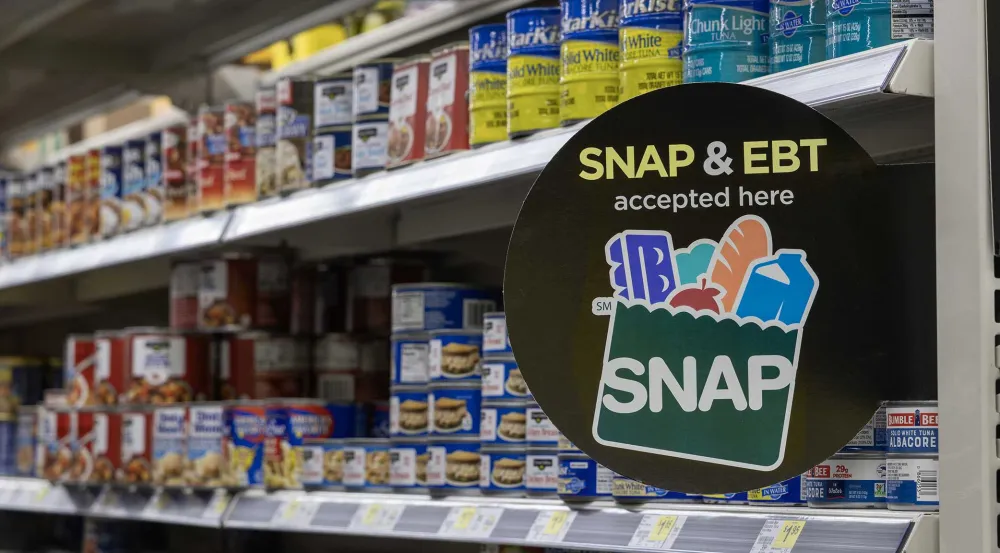
One might wonder, what were the contributing factors? Well, economists and social workers often point to a confluence of issues. Changes in government assistance programs, for instance, could certainly play a role. When eligibility requirements shift or benefit levels are adjusted, even slightly, it can have a ripple effect, pushing more individuals and families toward emergency food services. Then there’s the ever-present challenge of the cost of living. Wages, while perhaps improving for some, didn't always keep pace with rising rents, healthcare costs, and, yes, even the price of groceries. For many, that meant making agonizing choices: paying for medicine or buying food, keeping the lights on or filling the pantry.
This increased pressure on food banks wasn't just about more mouths to feed; it strained their entire operational framework. Think about it: more clients mean needing more food donations, more volunteers to sort and distribute, and more funding to cover operational costs like refrigeration, transportation, and administrative support. Many organizations had to get incredibly creative, stretching every dollar and rallying community support like never before. They adapted, they innovated, and they often worked tirelessly behind the scenes, fueled by an unwavering commitment to their neighbors.
Ultimately, the story of surging food bank demand during that period is a powerful reminder that economic indicators, while important, don't always tell the full human story. It's a testament to the resilience of communities and the tireless dedication of those who run these essential services. And it leaves us with a lingering question, doesn't it? How do we ensure that even when the economy appears to be thriving, no one is left behind, struggling in silence to secure their next meal?
Editorial note: Nishadil may use AI assistance for news drafting and formatting. Readers can report issues from this page, and material corrections are reviewed under our editorial standards.