Iowa's Fiery Solution: EPA Oversees Critical Detonation, Assesses Environmental Impact
- Nishadil
- November 28, 2026
- 0 Comments
- 3 minutes read
- 1 Views
- Save
- Follow Topic
Controlled Blasts in Rural Iowa Bring Mixed Reactions as EPA Releases Initial Test Results
A series of controlled detonations aimed at safely disposing of hazardous materials in rural Iowa has concluded, with the EPA now sharing initial findings on air and soil quality, sparking both relief and lingering questions among local residents.
Remember those controlled detonations in rural Iowa? Well, the dust, quite literally, has finally settled, and the Environmental Protection Agency (EPA) has begun to unveil the initial findings from their extensive post-blast assessments. It's been a tense few weeks, really, for folks living near the designated site, you see, wondering exactly what kind of environmental impact these necessary but incredibly powerful operations might have left behind.
These weren't just random fireworks, of course; far from it. The detonations were, in fact, a critical step in safely neutralizing a substantial cache of, let's just say, highly volatile industrial materials discovered at a decommissioned site outside the quiet town of Mapleton. Years of neglect had unfortunately rendered the substances too unstable for conventional transport or disposal, leaving controlled detonation as, arguably, the safest — albeit most dramatic — option available to authorities.
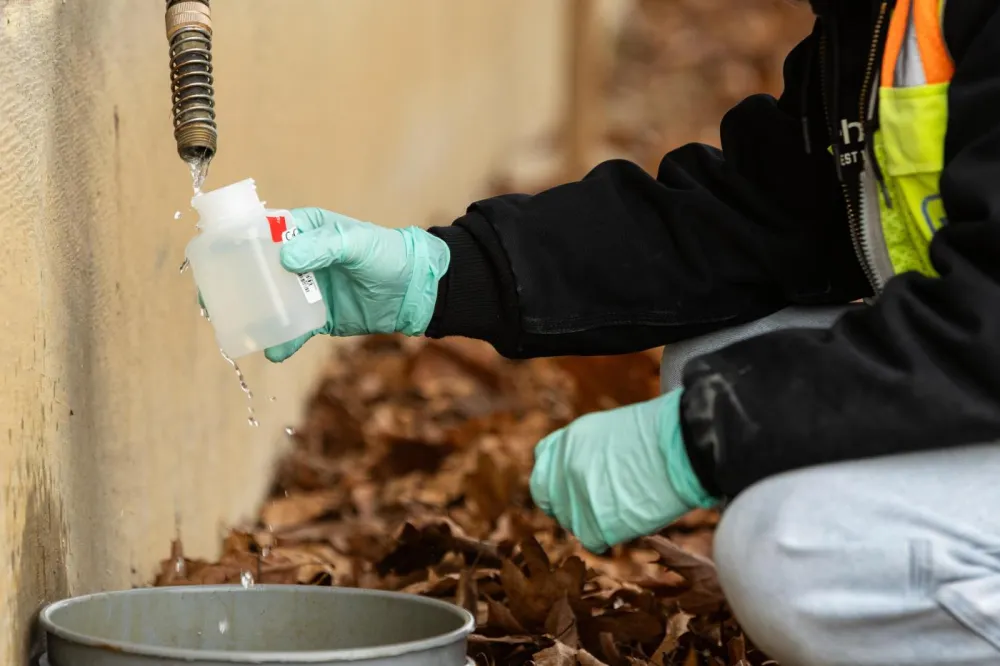
The EPA, working hand-in-hand with state environmental agencies, played a truly central role throughout this whole delicate process. They meticulously monitored the air quality, collected countless soil samples, and even analyzed water runoff in the days leading up to, during, and especially after each scheduled blast. Their overarching goal, plainly put, was to safeguard both public health and the surrounding, often delicate, ecosystem from any undue harm.
And here's where the good news comes in, at least initially. According to Dr. Evelyn Reed, the EPA's lead environmental scientist on the project, "Our preliminary analysis indicates that airborne particulate matter dispersed quickly, and readings for harmful chemical residues in the immediate vicinity were consistently well within acceptable safety thresholds following each detonation event." That, honestly, is quite a relief for many in the community, isn't it?
However, the story doesn't quite end there, nor should it. While the initial reports are certainly encouraging, some residents, like local farmer Sarah Jensen, still express a healthy degree of caution. "It's one thing to hear the numbers," she told us with a thoughtful frown, "but you still worry about the long-term, about what you can't actually see or smell right now." The EPA acknowledges these understandable concerns, stressing that ongoing monitoring will absolutely continue for several months, particularly focusing on groundwater samples and the potential for any delayed environmental effects.
Community outreach, we're told, has been a real cornerstone of this entire complex process. Regular town hall meetings, transparent data sharing — it's all part of an earnest effort to keep residents informed and, hopefully, alleviate anxieties. It's certainly not easy, managing public perception and genuine concern when you're talking about controlled explosions near people's homes, but local officials and the EPA seem genuinely committed to maintaining that crucial dialogue.
Ultimately, this particular episode in Iowa offers a fascinating, if somewhat explosive, case study in managing legacy hazardous waste. It powerfully underscores the ongoing challenges many communities across the country face when industrial pasts collide with modern environmental stewardship. The initial findings provide a hopeful outlook, yes, but also a stark reminder that vigilance and continued environmental oversight remain absolutely paramount for years to come.
Editorial note: Nishadil may use AI assistance for news drafting and formatting. Readers can report issues from this page, and material corrections are reviewed under our editorial standards.