Forest Service Documents Unearth Old Bigfoot Tales, Sparking Renewed Curiosity
- Nishadil
- November 25, 2026
- 0 Comments
- 3 minutes read
- 4 Views
- Save
- Follow Topic
Government Files on Bigfoot: A Deep Dive into Forest Service Sasquatch Sightings
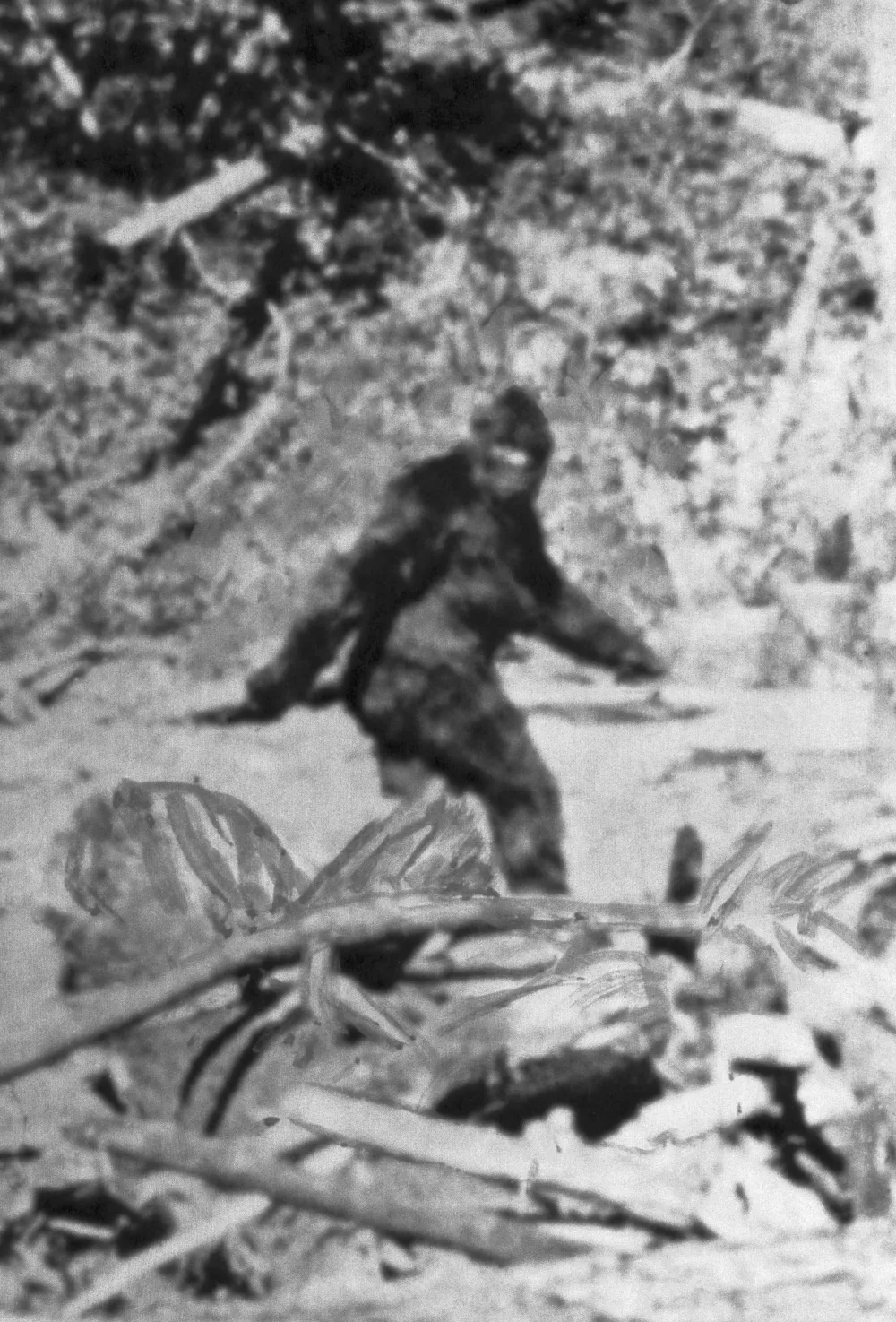
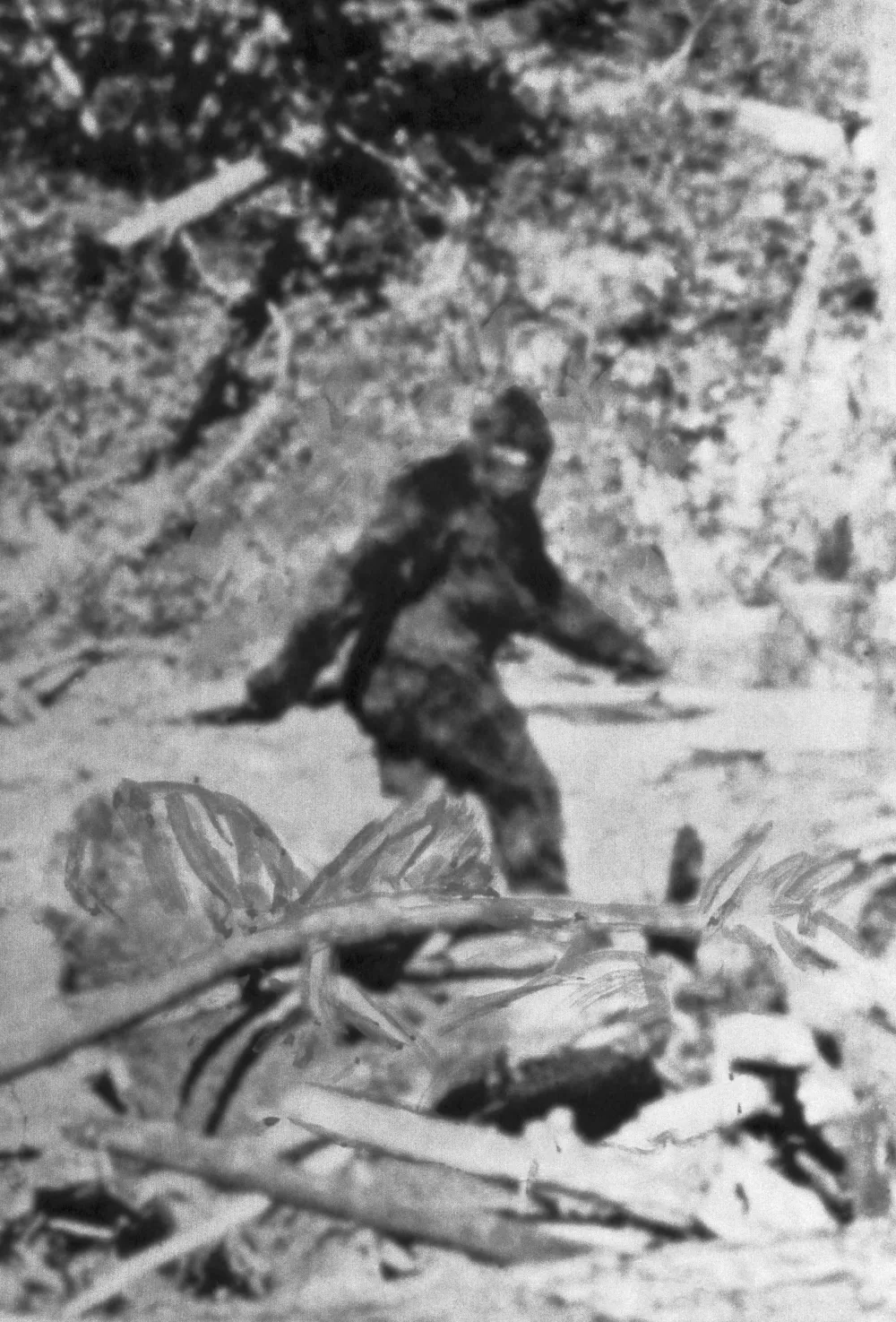
The U.S. Forest Service has recently declassified documents detailing three separate incidents involving potential Bigfoot encounters, stirring up old mysteries and inviting fresh scrutiny.
It seems even government agencies can’t quite escape the allure of the unknown, especially when it comes to cryptic creatures lurking in the wilderness. The U.S. Department of Agriculture’s Forest Service (USFS), of all places, recently decided to open its archives a bit, releasing three distinct documents that touch upon alleged Bigfoot sightings. This unexpected peek into their files, coming out in October, has certainly piqued the interest of both seasoned cryptozoologists and casual observers alike.
Let's take a closer look at what these intriguing papers actually reveal, shall we? One of the documents, a newspaper clipping from the 2003 Clark Fork Valley Press, recounts a rather compelling discovery near a sawmill in Montana. Imagine stumbling upon something truly massive! That's precisely what Dean Peterson and his son experienced when they found unusual footprints measuring a whopping 16 and a half inches long and 8 and a half inches wide. They described them as eerily consistent with a bipedal, human-like creature. Peterson, initially a skeptic, came away convinced the prints were genuine, though a neighbor couldn't help but suggest it might all be a really clever hoax. It's a classic Bigfoot dilemma, isn't it?
Then there's a more official-sounding entry: a USFS investigation report from June 1982. This one takes us to the Umatilla National Forest in Oregon's Mill Creek Watershed. Here, a biologist named Rodney L. Johnson and his team actually went out into the field. They took photographs and even made casts of footprints found at three different locations. Now, for the critical part: the investigators concluded that these prints were not made by "a 300 pound plus two-footed being." Instead, they suspected a "very clever attempt to perpetrate a hoax." Their reasoning was pretty solid, too, citing uniform stride lengths despite shifting terrain and, crucially, insufficient print depth for such a supposedly heavy creature. However, even in their skepticism, the report acknowledged that if it was faked, "someone went to a great deal of trouble and detail," and the "print" marks on the foot looked remarkably natural, hinting that perhaps a cast of an actual, albeit fake, foot had been used. A clever hoax, indeed!
Finally, we have a letter penned in 1980 by a man named Leo T. Kinney, detailing events that supposedly unfolded decades earlier, back in the 1940s, during a hunting trip in Montana. This account is straight out of Bigfoot folklore. Kinney and three companions reportedly found their six-point bull elk carcass missing. Not only that, but they discovered large, two-legged tracks nearby. And if that wasn't enough to send shivers down their spines, they apparently heard unsettling grunting noises, accompanied by a truly potent and unpleasant odor. Classic Bigfoot stuff, really, complete with the disappearing game and tell-tale scent.
So, what are we to make of all this? Well, David Daegling, a University of Florida anthropology professor and author of a 2004 book on Bigfoot, isn't exactly doing backflips over the releases. He described the new documents as "not groundbreaking in the least" and, frankly, just "standard Bigfoot fare." His perspective offers a healthy dose of academic realism to these tales. While the USFS documents add another layer to the enduring Bigfoot narrative, they don't, it seems, provide that definitive, undeniable proof many have been searching for. Still, it’s quite something to know that even government files hold whispers of the wild, untamed, and wonderfully mysterious.
Editorial note: Nishadil may use AI assistance for news drafting and formatting. Readers can report issues from this page, and material corrections are reviewed under our editorial standards.