Iran Digs In: No U.S. Talks Without Seven Conditions Met Amid Escalating Regional Tensions
- Nishadil
- November 25, 2026
- 0 Comments
- 5 minutes read
- 11 Views
- Save
- Follow Topic
Tehran Reaffirms Stance: No Dialogue with Washington Until Demands Are Addressed
Iran's chief negotiator, Mohammad Bagher Qalibaf, has once again asserted that talks with the U.S. are off the table until seven specific, undisclosed conditions are fulfilled, highlighting a persistent deadlock amidst rising tensions in the Middle East.
Tehran's position remains unyielding: Iran will not engage in discussions with the United States aimed at de-escalating the ongoing conflict until a precise list of seven conditions is unequivocally met. This firm declaration came directly from Mohammad Bagher Qalibaf, Iran’s chief negotiator and influential parliament speaker, on a recent Tuesday, underscoring a deep-seated stalemate that continues to cast a long shadow over an already volatile Middle East.
While the full specifics of these seven demands haven't been made public in their entirety, Iranian state media has offered glimpses into the core issues at play. Chief among them are the lifting of various economic sanctions, a cessation of the U.S. naval blockade reportedly impacting Iranian ports, and the immediate release of substantial Iranian assets currently held abroad. These echo earlier, fervent calls from Foreign Minister Abbas Araghchi, who also emphasized the reinstatement of waivers for Iranian oil sales and the unfreezing of all Iranian assets, particularly those believed to be held in Qatar. It’s clear, then, that economic relief and sovereignty over financial resources are central to Iran's negotiating posture.
Indeed, this isn't a new stance from Tehran; the message has been remarkably consistent throughout November. Just at the month's outset, deputy parliament speaker Ali Nikzad frankly stated that the U.S. had "nothing new to offer," a sentiment quickly echoed by Foreign Minister Araghchi, who then outright dismissed any rumors of impending talks as utterly baseless. The rhetoric signals a profound lack of trust and a belief within Iranian leadership that any current U.S. overtures lack genuine substance or a willingness to address their core grievances.
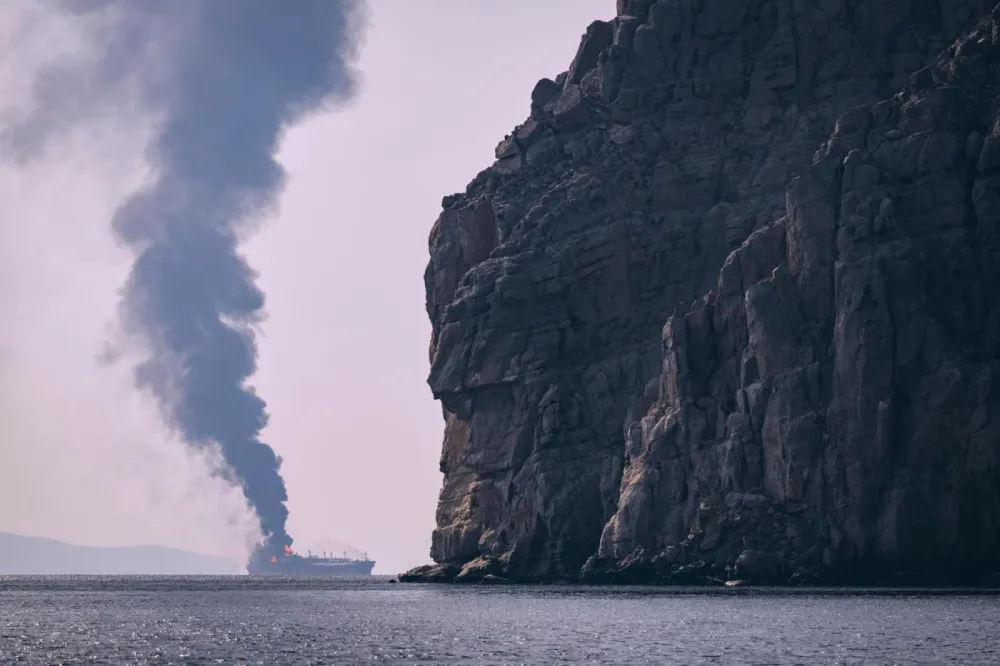
Adding another layer of complexity, and indeed, danger, to this already tense backdrop are recent maritime incidents in the critical Strait of Hormuz. We’ve seen reports of three oil tankers reportedly struck by naval mines, subsequently catching fire, even as U.S. aerial assets were supposedly providing cover. The Revolutionary Guard’s naval arm was quick to attribute these incidents to the tankers violating established passage regulations, though such events inevitably fuel suspicion and highlight the precarious security situation in one of the world's most vital shipping lanes.
Beyond the Strait, the wider region continues to simmer. Just recently, at least eight Palestinians tragically lost their lives in three distinct Israeli strikes within Gaza. Such incidents, while perhaps not directly linked to the U.S.-Iran diplomatic deadlock, certainly contribute to the overall climate of instability and underscore the interconnected nature of conflicts across the Middle East. It’s a region, one might observe, where every incident, every casualty, ripples through the political landscape.
On the American side, there have been some interesting, if muddled, signals. U.S. Vice President JD Vance reportedly sent a message to a senior Iranian security official at one point. However, President Donald Trump was quick to downplay this, asserting it was merely about medical supplies and not an attempt to revive any peace talks. Complicating matters further, Iranian Foreign Minister Araghchi previously suggested that mediators for a U.S.-Iran peace deal had ceased their travels following the "shock" of significant Republican losses in the U.S. midterm elections, painting a picture of how internal American politics are perceived to influence, and perhaps hinder, diplomatic efforts.
So, as November draws to a close, the path forward remains obscured. Iran’s refusal to engage, its clear demands for sanctions relief and asset unfreezing, coupled with ongoing regional incidents and the lingering effects of U.S. political shifts, suggest that any resolution to this deeply entrenched conflict is still a distant prospect. It’s a waiting game, fraught with risk, where both sides seem content to hold their ground, at least for now.
Editorial note: Nishadil may use AI assistance for news drafting and formatting. Readers can report issues from this page, and material corrections are reviewed under our editorial standards.