
Sebastián Lelio, Oscar‑Winning Director of “A Fantastic Woman”, Dies at 52
- Nishadil
- November 07, 2026
- 0 Comments
- 2 minutes read
- 16 Views
- Save
- Follow Topic
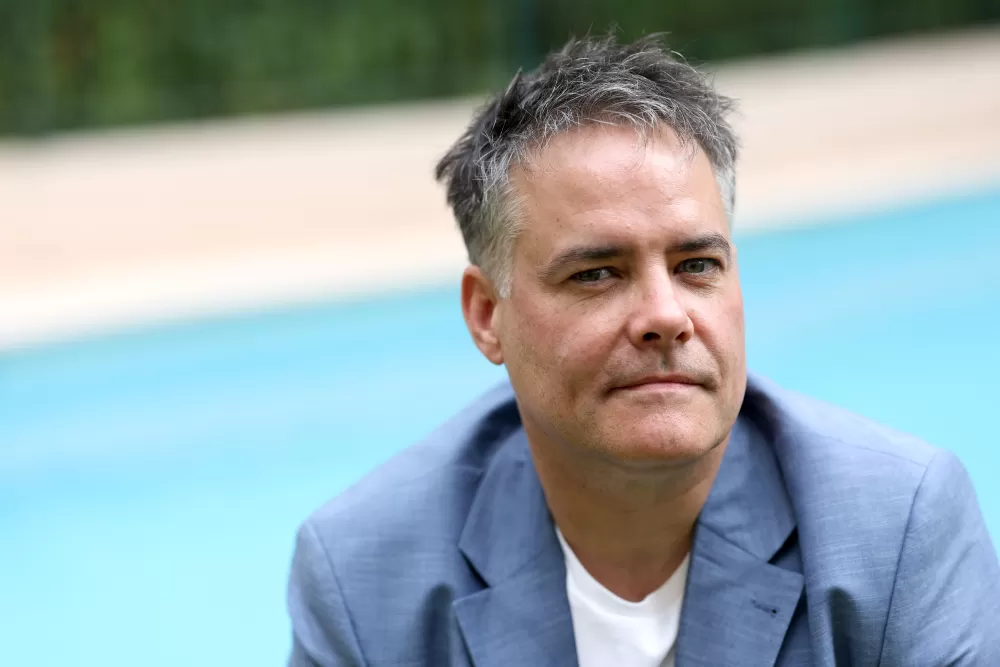
Chilean filmmaker Sebastián Lelio passes away, leaving behind a legacy of bold storytelling and cultural impact
Renowned Chilean director Sebastián Lelio, best known for the Oscar‑winning “A Fantastic Woman”, died at 52 after a brief health battle. His partner and the film community mourn his loss.
Chilean cinema lost one of its most inventive voices on Friday when Sebastián Lelio was found dead at his home in the Las Condes district of Santiago. He was only 52, a fact that still feels unreal to anyone who has followed his work.
His longtime partner, actress Amalia Kassai, broke the news on Instagram, saying the cause was “health reasons” and pleading for privacy. She wrote, “We are going through a very painful time, and his memory will remain with us forever. He was a wonderful person who contributed to Chilean culture during important moments in its history.” The family’s statement echoed that sentiment, asking for respect and consideration during this difficult period.
Lelio first captured international attention with “A Fantastic Woman” (2017). The film, starring Daniela Vega as a trans woman navigating grief and discrimination, not only clinched the Oscar for Best Foreign Language Film in 2018 but also sparked real‑world conversations that helped advance trans rights in Chile. It earned a slew of other honors, including the Independent Spirit Award for Best International Film.
Beyond that breakthrough, Lelio built a diverse portfolio. He revisited his own 2013 Chilean drama “Gloria” for an English‑language remake, “Gloria Bell,” featuring Julianne Moore and John Turturro, a story about a free‑spirited woman chasing love in Los Angeles’ dance clubs. He also directed the thought‑provoking “Disobedience” (2017), starring Rachel Weisz and Rachel McAdams, about a woman returning to an Orthodox community and confronting her past.
His earlier Chilean titles – “La Sagrada Familia,” “Navidad,” and “The Year of the Tiger” – laid the groundwork for his later successes. Most recently, Lelio completed “The Wave,” a musically‑charged film inspired by feminist mobilizations in Chile, and he was reportedly developing “Chilean Poet,” an adaptation of Alejandro Zambra’s novel.
Born in Argentina and raised in Chile from the age of two, Lelio’s career was marked by a willingness to explore marginal voices and challenge social norms. Colleagues remember him as both a meticulous craftsman and a generous collaborator, often encouraging emerging talent to take risks.
His passing has prompted an outpouring of tributes from actors, directors, and festivals worldwide, all noting how his films changed the conversation around gender, identity, and freedom. While the grief is palpable, his body of work stands as a lasting reminder of what bold, human‑centered storytelling can achieve.
Editorial note: Nishadil may use AI assistance for news drafting and formatting. Readers can report issues from this page, and material corrections are reviewed under our editorial standards.


