How to Spot a Scam Before It Traps You
- Nishadil
- November 07, 2026
- 0 Comments
- 4 minutes read
- 6 Views
- Save
- Follow Topic

Real‑life tricks, warning signs, and simple steps to protect yourself
Scammers are getting smarter. Learn how to recognize voice‑cloning tricks, stolen‑valor lies, and other modern cons before they steal your money or peace of mind.
We all like to think we’re safe from the classic “Nigerian prince” or the “you’ve won a vacation” emails. In reality, today’s fraudsters have polished their scripts, borrowed our own voices, and even masqueraded as heroes to win our trust. By the time the alarm rings, the damage may already be done.
Below are two true‑to‑life scams that sound almost believable, the red flags they missed, and a handful of practical habits you can adopt right now.
1. The voice‑cloning con
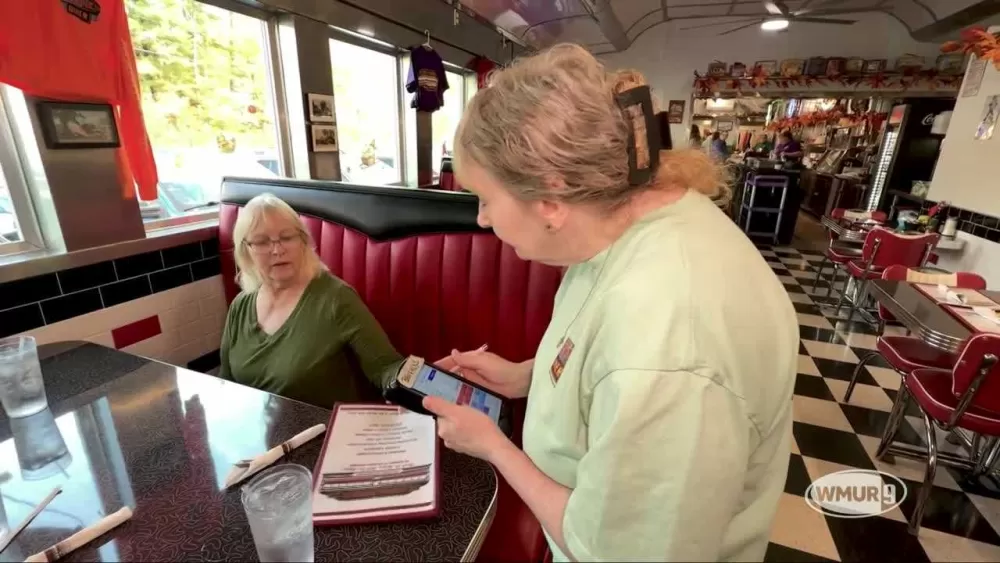
It was a hot July afternoon in 2025 when 86‑year‑old Christine answered a call from an unknown number. A sobbing voice on the other end claimed to be her granddaughter, who had just been arrested after a car accident. A second voice—identified as “John,” the supposed lawyer—asked for $10,400 to bail her out. Christine, armed with only $6,000 in cash, handed it over before the scammer’s plan unraveled. A neighbor arrived minutes later, and the “granddaughter” was perfectly fine. The whole episode was a sophisticated AI‑driven voice‑cloning scam.
Why it worked: With just a few seconds of publicly available audio (think TikTok or Instagram), AI can synthesize a near‑perfect replica of a loved one’s voice. The result is unnerving—your family member sounds exactly right, but the story is fabricated.
How to defend yourself:
- Pick a security word that only family members know. If the caller can’t answer, hang up.
- Ask a question that only the real person could answer—like a childhood nickname or a specific memory.
- Never send cash, gift cards, or cryptocurrency on a phone call. Those payment methods are favored because they’re irreversible.
- If you get an unexpected call, pause. Let the person know you’ll call them back on a known number. This buys you time to verify.
2. The stolen‑valor hoax
Claiming military honors can open doors—respect, benefits, even charitable donations. In Minnesota, a man pretended to be a wounded Marine and PO W, walking away with more than $100,000 from the Veterans Affairs system. The story echoes an older, equally brazen case: Jackie Stern, a self‑styled hero who bought a fake Medal of Honor for $500 and bragged about being a Purple Heart recipient and a former NYPD detective. Detectives eventually uncovered the truth, but not before Stern collected money and earned an unwarranted reputation.
What to watch for:
- Unsolicited claims of medals or awards that can’t be easily verified. A quick call to the official organization (e.g., Congressional Medal of Honor Society) can confirm authenticity.
- Requests for financial help tied to “service‑related” emergencies. Genuine veterans groups typically work through established charities, not direct personal pleas.
- Inconsistencies in stories—dates, locations, or ranks that don’t line up with known military history.
How to stay safe:
- When someone cites a military award, ask for the official citation or a copy of the service record.
- Donate only through reputable charities that publish their tax‑ID numbers and financial statements.
- Report suspicious claims to the VA or the appropriate military branch; they have hotlines for fraud.
General tips for all scams
Scammers rely on urgency, emotion, and a veneer of legitimacy. A few habits can make their job a lot harder:
- Pause before you act. Even a 30‑second breath can let you check facts.
- Keep personal information—social security numbers, birth dates, banking details—offline unless you initiated the contact.
- Use two‑factor authentication on important accounts; it adds a layer a fraudster can’t bypass with just a voice.
- Stay skeptical of offers that seem too good to be true. If it feels off, trust that feeling.
Scams will evolve, but our awareness can keep pace. By listening for odd details, asking the right questions, and refusing to rush, you give yourself the best defense against the next clever con.
Editorial note: Nishadil may use AI assistance for news drafting and formatting. Readers can report issues from this page, and material corrections are reviewed under our editorial standards.