
India Slashes Prices on 120 Cancer Drugs, Potential Savings of Over Rs 3,357 Crore
- Nishadil
- November 07, 2026
- 0 Comments
- 2 minutes read
- 14 Views
- Save
- Follow Topic
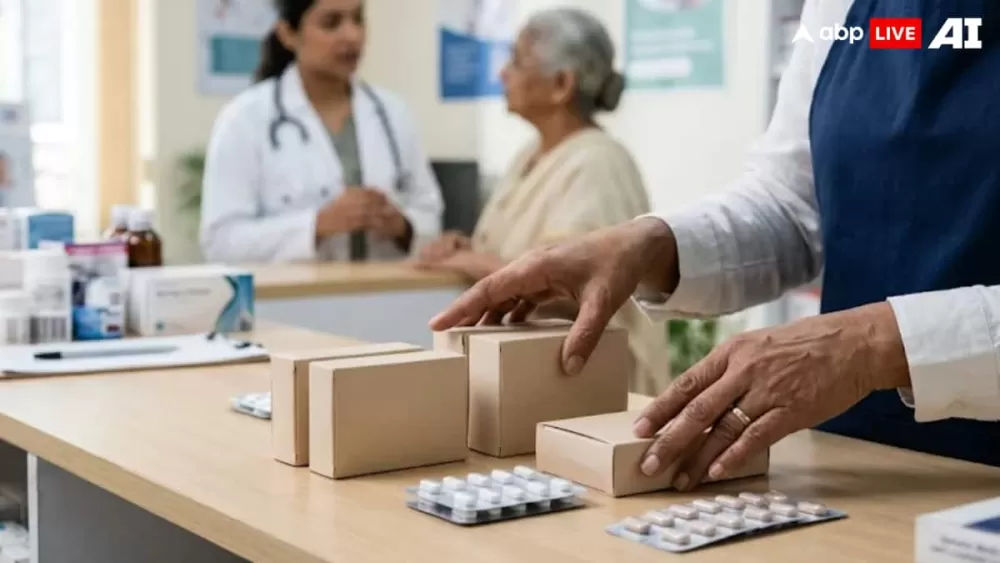
Cancer drug prices cut; patients could save billions
A new price‑cap rule forces 70 manufacturers to lower MRPs of 120 anti‑cancer medicines, with reductions up to 96%, promising savings of roughly Rs 3,357 crore for Indian patients.
In a move that many health‑watchers are calling a relief for ailing families, the Indian government has asked 70 pharmaceutical companies to trim the maximum retail prices (MRPs) of 120 anti‑cancer medicines. The cuts are anything but modest – some drugs now cost almost a tenth of what they did before, with the steepest reduction clocking in at 96.45%.
The price‑cap came from the National Pharmaceutical Pricing Authority (NPPA) on October 17, when it capped trade margins for 137 non‑scheduled anti‑cancer medicines at 30% of their MRP. In plain English, the gap between what a distributor pays and what a patient finally shells out at the pharmacy has been narrowed dramatically.
From November 9, 2026 the new, lower MRPs take effect. On average, prices have been knocked down by 20‑70%, and the government’s own calculations suggest that, across the board, patients could collectively save about Rs 3,357.49 crore. Those numbers were derived by comparing the old and new prices against sales volumes recorded between April 2025 and March 2026.
How can a patient actually see the new numbers? The NPPA has posted the revised list on its website, and the data are also available via the “Pharma Sahi Daam” mobile app. The revised rates are based on distributor prices from March 2026, and manufacturers must recompute MRPs using their average distributor price for that month. It’s worth noting that medicines given free under patient‑assistance programmes or direct government sales are excluded from this calculation.
Transparency is part of the package. Companies are now required to inform the NPPA of any price changes, publish the details in newspapers, showcase them on their own websites, and notify retailers and hospitals. This way, shoppers don’t have to hunt for the information.
The policy isn’t brand‑new. Back in 2019 the government rolled out a Trade Margin Rationalisation (TMR) scheme that covered 42 non‑scheduled anti‑cancer drugs. The current directive broadens that effort, aiming to curb the often‑criticised mark‑ups that have long plagued the pharmaceutical supply chain – from manufacturers through distributors to the pharmacy counter.
For anyone dealing with cancer treatment in India, the news is a breath of fresh air. Lower drug costs mean less financial strain, and for a country where out‑of‑pocket health expenses can be crushing, the impact could be profound.
Editorial note: Nishadil may use AI assistance for news drafting and formatting. Readers can report issues from this page, and material corrections are reviewed under our editorial standards.


