Moon Phase Today: What the Moon Looks Like on November 7, 2026
- Nishadil
- November 08, 2026
- 0 Comments
- 3 minutes read
- 9 Views
- Save
- Follow Topic
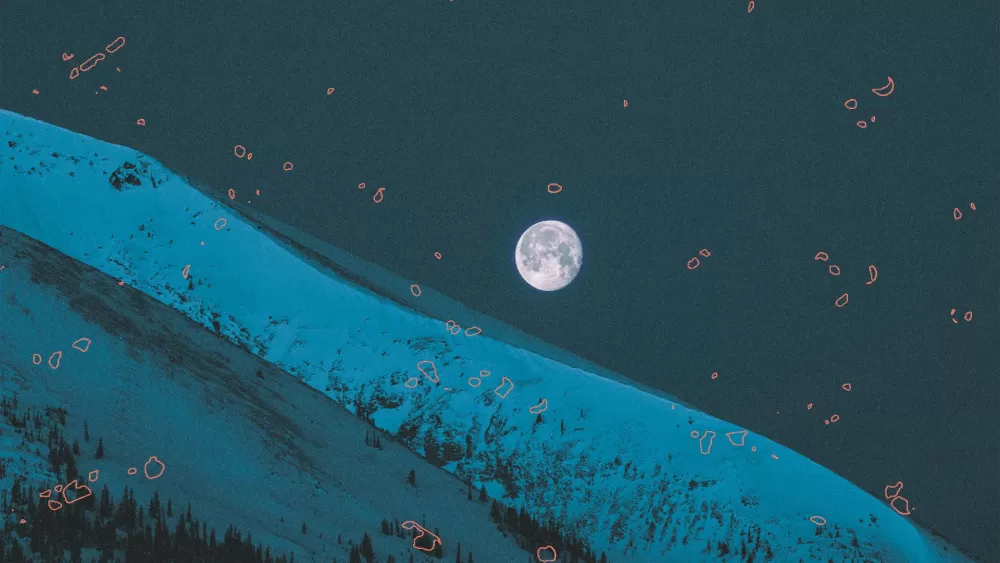
A thin waning crescent — only 4 % illuminated, and the Grimaldi Basin hidden in the shadows
On the night of Nov 7, 2026 the Moon is barely a sliver in its waning‑crescent stage. With just 4 % lit, you’ll need binoculars or a telescope to spot the faint Grimaldi Basin. The next full moon arrives on Nov 24.
If you glanced up at the night sky on Saturday, November 7, 2026, you’d see a moon that’s almost shy about showing itself. It’s hanging on in the final stretch of its waning‑crescent phase, with a slender curve of light that covers barely four percent of the lunar disc.
In other words – not much to write home about unless you’ve got a pair of binoculars or, better yet, a modest telescope. Those tools will let you tease out the faint glow of the Grimaldi Basin, a dark mare‑like depression that sits in the Moon’s western limb. Without them, the sky looks pretty empty; the moon is there, but it’s essentially a whisper.
NASA’s Daily Moon Guide confirms the numbers: a waning crescent, 4 % illumination, and a rise time that’s a little after sunset for most mid‑latitude observers. It’s the kind of night that makes amateur astronomers sigh – “finally, a chance to practice star‑hopping!” – while casual stargazers might just wonder why the moon looks so tiny.
Looking ahead, the lunar calendar promises a brighter night on November 24, when the Moon will swell into a full, round beacon. That’s the next time you’ll be able to enjoy a classic full‑moon glow without any gadgets.
For a quick refresher, the Moon takes about 29.5 days to complete one full cycle. As it orbits Earth, the Sun’s angle shifts, giving us the familiar phases: New Moon, waxing crescent, first quarter, waxing gibbous, full Moon, waning gibbous, last quarter, and finally waning crescent before the cycle starts anew.
So, tonight’s take‑away? Expect a faint crescent, a hidden Grimaldi Basin, and the promise of a full Moon later in the month. If you’re curious, pull out that old telescope in the garage – the Moon may be shy, but it’s still there, quietly waiting for you to notice.
Editorial note: Nishadil may use AI assistance for news drafting and formatting. Readers can report issues from this page, and material corrections are reviewed under our editorial standards.