UMass Boston's Healey Library: A Crisis in the Making
- Nishadil
- November 07, 2026
- 0 Comments
- 3 minutes read
- 11 Views
- Save
- Follow Topic
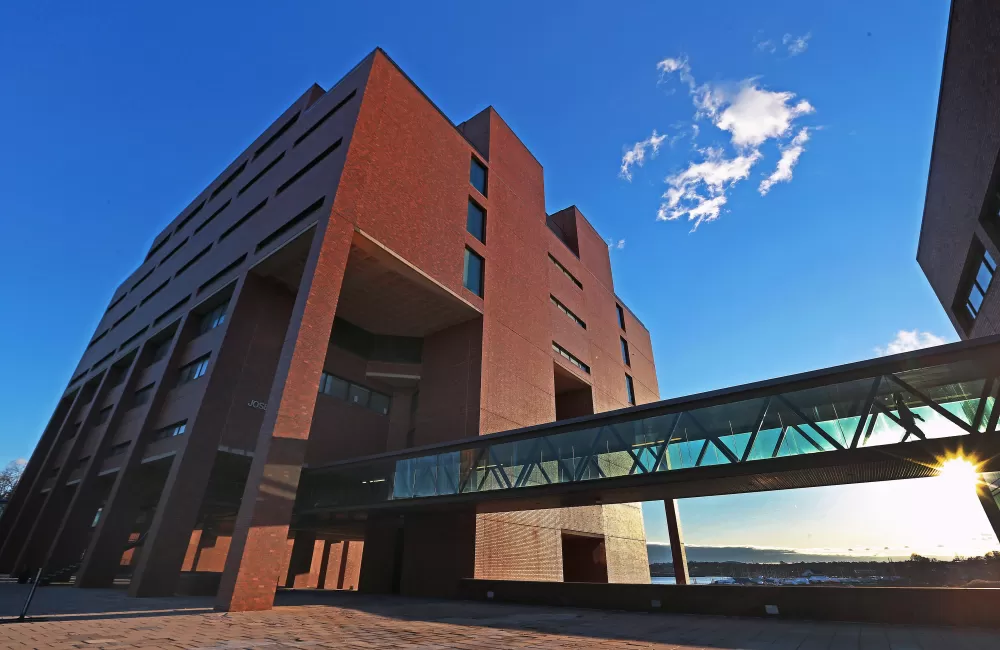
Why the Campus Library Is Falling Apart—and What It Means for Students
An opinion piece examining the deteriorating condition of UMass Boston’s Healey Library, its impact on learning, and the urgent need for restoration.
Walk onto the second floor of the Healey Library at UMass Boston, and you’ll hear the familiar hum of fluorescent lights fighting a losing battle against flickering shadows. The building, once touted as a modern hub for research, now feels more like a relic trapped in time—cracks in the plaster, leaky roofs, and study rooms that could double as echo chambers.
It’s not just the aesthetic woes that bother students; it’s the functional fallout. Imagine trying to finish a term paper when half the computer stations are out of order, or when the Wi‑Fi signal sputters like an old car engine. For many, the library is the only place on campus where they can pull a quiet night of study, yet they’re forced to navigate broken chairs, outdated catalogs, and a temperature that swings between sauna and freezer.
What’s more, the library’s collections—both physical and digital—are aging without the proper preservation care. Rare books sit on shelves that wobble, and the digital databases, while theoretically extensive, are hampered by slow servers that seem to crawl rather than stream. The irony is palpable: a place meant to provide knowledge is itself starved of the very resources it promises to deliver.
Administrators often point to budget constraints, a reality that feels all too familiar across public universities. Yet, when you compare the university’s spending on new parking lots or administrative offices to the pennies trickling into the library’s maintenance fund, the priorities become starkly clear. Students, faculty, and even alumni have raised concerns, writing petitions, attending town halls, and posting on social media. Their voices, however, frequently get drowned out by bureaucratic jargon and vague promises of a “future renovation plan.”
There’s a human element that statistics can’t capture. Take Maya, a sophomore majoring in sociology, who told me she spends three hours each day hunting for a functional desk because the library’s layout is a maze of closed-off sections. Or Professor Daniels, who’s been teaching for two decades and now worries that his research suffers because key journals are inaccessible due to delayed subscriptions. Their stories illustrate a larger truth: when a library deteriorates, the entire academic community feels the pinch.
Some might argue that digital resources make brick‑and‑mortar libraries obsolete. I hear that argument often, and I’m not saying technology isn’t vital. But digital access still requires reliable hardware, fast internet, and quiet spaces—elements that the Healey Library currently lacks. In other words, the problem isn’t the medium; it’s the environment supporting it.
So, what can be done? First, a transparent audit of the library’s condition is essential—no more vague “needs assessment” memos. Second, earmark a realistic portion of the university’s capital budget specifically for library upgrades, from fixing the roof to installing ergonomic furniture. Third, engage students directly in the planning process; after all, they’re the ones who will occupy those spaces day in and day out.
Ultimately, a library isn’t just a building; it’s a promise—a promise that knowledge will be preserved, that learning environments will be welcoming, and that institutions will invest in the intellectual well‑being of their community. If UMass Boston truly values its mission, the Healey Library can’t remain in this sorry state for much longer.
Editorial note: Nishadil may use AI assistance for news drafting and formatting. Readers can report issues from this page, and material corrections are reviewed under our editorial standards.