Celebrating Native American Heritage in Downtown Sacramento
- Nishadil
- November 09, 2026
- 0 Comments
- 5 minutes read
- 0 Views
- Save
- Follow Topic
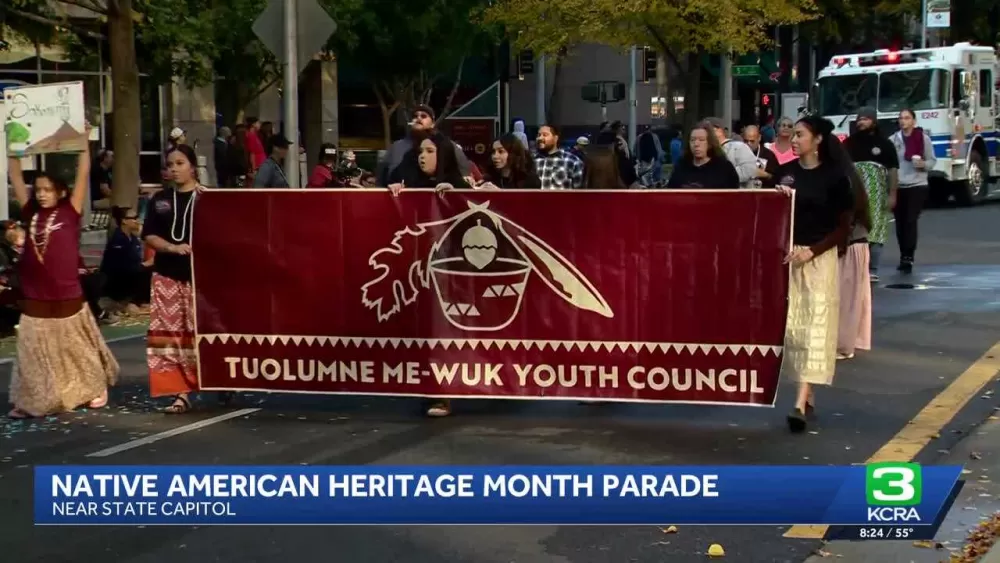
Thousands Gather for the Third Annual Native American Heritage Parade on Capitol Mall
More than 1,000 attendees cheered colorful floats, music and tribal traditions at Sacramento’s Native American Heritage Month parade.
When the sun rose over Capitol Mall on Saturday, the streets of downtown Sacramento began to hum with drums, the clatter of horse hooves and the chatter of families—some in traditional regalia, others in casual tees, all drawn by the same magnetic pull: the third annual Native American Heritage Month Parade.
By mid‑morning, the crowd swelled to well over a thousand people. Tribal members from the United Auburn Indian Community, the Middletown Rancheria, and dozens of other California nations lined the route, each eager to showcase traditions that have survived centuries of challenge.
The parade snaked its way from the western steps of the State Capitol, winding past eager onlookers, past marching bands, and past a dazzling lineup of roughly 100 floats. Some were simple, painted with the earth tones of ancient pottery; others were elaborate, featuring replicas of granaries, totem poles, and even life‑size canoes that seemed to glide on an imagined river.
“It’s about remembering who we are,” explained Maria Lopez, a spokesperson for the event, as she watched a troupe of dancers spin in unison. “We honor the contributions of Native peoples, and we also acknowledge the hardships that tried to erase us. Yet here we are—thriving, resilient, and proud.”
For the United Auburn Indian Community, this year marked a first‑time appearance. Janessa Rey, a cultural coordinator, described the effort that went into their float: “We wanted to tell a story. So we built a granary—a place where our ancestors stored acorns. It’s a symbol of sustenance, of family, of continuity.” She added that the parade gave their community a long‑overdue moment of visibility in Sacramento.
“Often we feel invisible,” said Rey, her voice catching on the excitement of the crowd. “Having a float, hearing our drums, seeing our children dance—it's a celebration of being here, of being seen.”
The Middletown Rancheria arrived with a youth group eager to share their language and crafts. Their float, adorned with hand‑woven baskets and painted symbols, earned applause from onlookers and a heartfelt comment from participant Luya Rivera: “It’s beautiful to watch all our tribes come together, to hear each other's songs, to simply enjoy the day.”
Among the sea of adults, 14‑year‑old Joy Aldrich stood out, not because of a microphone, but because of the reverence she showed while placing a photograph of her great‑grandfather on her family’s float. “We’re keeping our history alive,” she said, eyes bright. “I hope kids like me keep this alive for the next generation, and that everyone learns a bit more about our story.”
When the procession reached the west steps of the Capitol, the music didn’t stop. Drummers, singers, and storytellers took the stage, turning the finale into a living classroom. The performances ranged from traditional hoop dancing to contemporary hip‑hop infused with indigenous beats, illustrating that culture isn’t static—it evolves.
All of this happened under the umbrella of Native American Heritage Month, a November observance that seeks to highlight the histories, contributions, and vibrant cultures of Native peoples across the United States. For many Sacramento families, the parade was more than a spectacle; it was a reminder that their heritage is not a relic of the past but a living, breathing presence in the city.
The celebration wound down around 3 p.m., but the conversations lingered. Vendors sold handcrafted jewelry, elders shared stories with curious teenagers, and the scent of sage mingled with the crisp fall air. As the last float rolled away, the sentiment was clear: the parade isn’t just an annual event—it’s a bridge linking generations, cultures, and the wider community.
Editorial note: Nishadil may use AI assistance for news drafting and formatting. Readers can report issues from this page, and material corrections are reviewed under our editorial standards.