
E20 Fuel Furore: Rahul Gandhi Cites 31.2% Ethanol in Karnataka Petrol, Oil Majors Question the Numbers
- Nishadil
- November 08, 2026
- 0 Comments
- 4 minutes read
- 22 Views
- Save
- Follow Topic
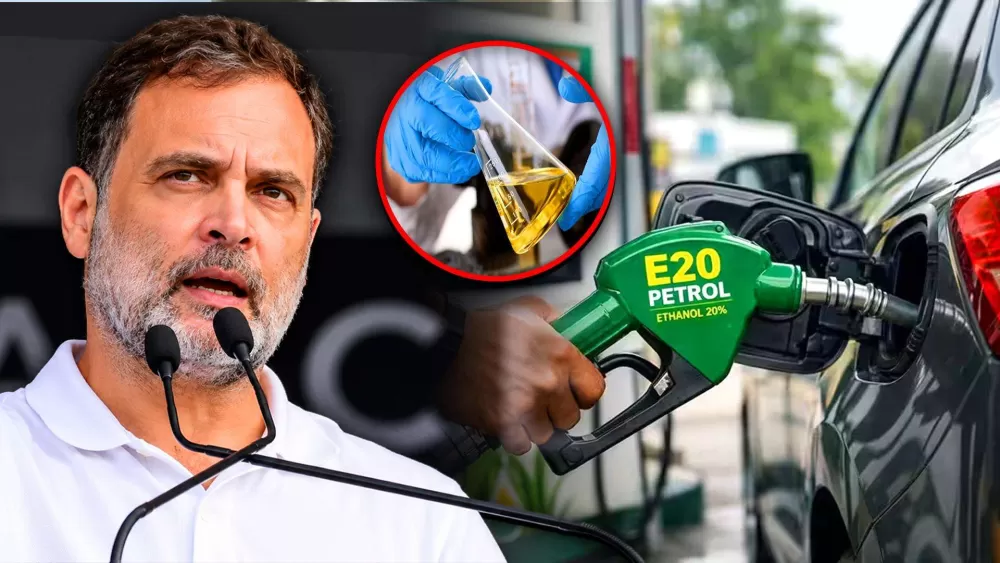
Rahul Gandhi raises the ethanol bar, but oil firms say the tests are flawed
A recent lab report in Karnataka claimed petrol contained up to 31.2% ethanol, far above the 20% limit for E20 fuel. While Rahul Gandhi hails the figure, oil companies dispute the sampling and methodology.
Earlier this week, Rahul Gandhi sparked fresh controversy by saying “E20 turned into 420” – a dramatic way of indicating that ethanol content in some Karnataka petrol could be as high as 31.2 per cent. The claim rests on a laboratory analysis carried out on fourteen fuel samples, eleven of which allegedly exceeded the 20 per cent ceiling that defines E20.
At first glance, the numbers sound alarming. If true, they would mean drivers are filling their tanks with a blend that is more akin to a high‑alcohol mixture than the intended low‑ethanol fuel. The immediate questions that pop up are: will mileage nosedive? Could engine components suffer? And, perhaps most importantly, is the fuel safe for the millions of vehicles that hit Karnataka’s roads daily?
But the story doesn’t end there. The oil companies that supply the fuel – a handful of big‑name private players – have publicly rejected the findings. In press releases, they argue that the sampling process was haphazard, the testing protocol unverified, and the labs not accredited for such measurements. “Without a robust, statistically sound approach, these numbers are nothing more than speculation,” one spokesperson said.
To understand why the debate matters, a quick refresher on ethanol‑blended fuels helps. The Indian government introduced E20 – petrol with up to 20 per cent ethanol – as a way to cut dependence on crude oil, support the sugar industry, and reduce emissions. Ethanol, being a renewable bio‑fuel, burns cleaner but also has a lower energy density, which can translate to a modest drop in kilometre‑per‑litre figures. However, most modern engines are engineered to tolerate the prescribed 20 per cent blend without hiccups.
If the blend were indeed 31.2 per cent, the consequences could be more pronounced. Higher ethanol could lead to a further dip in mileage – estimates range from 2 to 5 per cent – and might accelerate wear on fuel system components not designed for such concentrations, especially in older vehicles. Insurance providers have also warned that claims could be jeopardised if a car is damaged because the fuel exceeded the regulated limit.
On the other hand, oil firms point out that their nationwide quality checks, conducted under the watchful eye of the Automotive Research Association of India (ARAI), have consistently shown E20 meeting the mandated standards. They cite recent batch‑wise testing across several states where ethanol levels hovered comfortably between 17 and 19 per cent. "Our data does not support the notion of a systemic over‑ethanol issue," the industry collective remarked.
Meanwhile, the Karnataka government, which commissioned the disputed test, stands by its results. Officials claim the samples were collected from random retail outlets across Bengaluru, Mysuru, and coastal districts, aiming to capture a realistic picture of what motorists actually receive. They argue that if such high percentages are indeed entering the supply chain, corrective action is urgently needed.
The episode has reignited a broader, long‑standing conversation about India’s fuel policy. Critics of the ethanol push argue that the rush to meet renewable‑fuel targets has outpaced the readiness of the distribution network and vehicle fleet. Proponents counter that growing the ethanol market is essential for energy security and for giving a boost to farmers growing sugarcane and other feedstocks.
So, where does the truth lie? As of now, there is no consensus. Independent labs, perhaps under joint supervision of the Ministry of Petroleum and the state authorities, may be the next step to settle the dispute. Until then, motorists in Karnataka – and across India – might just have to keep an eye on their fuel receipts, watch for any unusual changes in mileage, and stay tuned to official updates.
One thing is clear: the ethanol debate is far from settled, and the road ahead will likely involve more tests, more data, and, inevitably, more political sparring.
- India
- Karnataka
- Business
- News
- BusinessNews
- NewsVideos
- Petrol
- RahulGandhi
- Ethanol
- E20Petrol
- OilCompanies
- E20
- FuelQuality
- IndiaFuelPolicy
- PetrolMileage
- VehicleMileage
- RahulGandhiE20
- E20TurnedInto420
- 312PercentEthanol
- VehicleCompatibilityE20
- KarnatakaPetrolTests
- ExcessEthanolInPetrol
- EthanolInPetrolControversy
- EthanolBlendingInPetrol
Editorial note: Nishadil may use AI assistance for news drafting and formatting. Readers can report issues from this page, and material corrections are reviewed under our editorial standards.


