The Pentagon's Unconventional Alliance: How Wind Energy is Reshaping National Security
- Nishadil
- October 23, 2026
- 0 Comments
- 3 minutes read
- 5 Views
- Save
- Follow Topic
Navigating the Winds of Change: The U.S. Military's Strategic Embrace of Renewable Energy
The U.S. military, a formidable energy consumer, is grappling with the complexities and opportunities presented by renewable energy, particularly wind power. This isn't just about going green; it's a strategic imperative balancing national security with a cleaner, more resilient energy future, involving intricate problem-solving and collaboration.
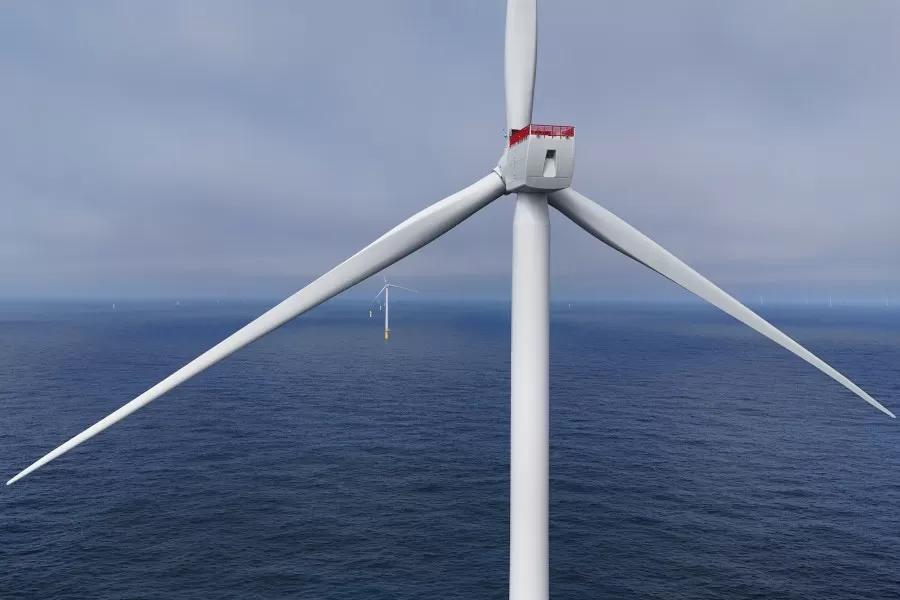
When you think of the Pentagon, images of advanced weaponry, intricate logistics, and perhaps even vast strategic planning rooms likely come to mind. What might not immediately spring to mind, however, is its surprising — and increasingly crucial — relationship with renewable energy, especially wind power. The U.S. military, an undisputed giant in energy consumption, finds itself at a fascinating crossroads, attempting to harness the power of nature while simultaneously safeguarding national security interests.
It's a delicate balance, you see. On one hand, the Department of Defense (DoD) recognizes the immense strategic benefits that come with diversifying its energy portfolio. Less reliance on volatile fossil fuel markets, enhanced energy independence, and improved operational resilience for critical bases are compelling arguments. On the other hand, the very wind turbines that promise a cleaner future can, at times, present a significant operational headache. They can interfere with military radar systems, creating false positives or, worse yet, "blind spots" that could compromise air defense, training exercises, or even crucial surveillance capabilities. It's a classic dilemma, isn't it?
This isn't merely about environmental stewardship; it's a cold, hard calculation rooted in the imperative to maintain operational readiness and safeguard critical national assets. For years, this tension created hurdles for wind project developers, especially those looking to build near military installations or along vital flight corridors. It became a bit of a bureaucratic maze, often stalling promising renewable energy initiatives.
Yet, amidst these complexities, the Pentagon has demonstrated a remarkable capacity for adaptation. Rather than simply dismissing wind power as an incompatible nuisance, it has actively engaged in finding solutions. Task forces have been formed, bringing together military experts, renewable energy developers, and federal agencies. The goal? To forge collaborative pathways that allow for sustainable energy development without compromising defense operations. This has involved everything from meticulous site selection — steering projects away from sensitive zones — to exploring innovative technological fixes, like upgrading radar systems or developing advanced mitigation software that can distinguish between a wind turbine and, say, an unidentified aircraft.
Indeed, the strategic rationale behind the DoD's push for renewables runs deep. Climate change, for instance, isn't just an abstract concept for the military; it's a tangible threat to infrastructure and readiness. Rising sea levels imperil coastal bases, while extreme weather events disrupt operations and strain resources. By investing in renewable energy, particularly localized microgrids powered by wind and solar, bases can achieve greater energy autonomy, ensuring critical power even when the broader grid falters. This resilience is, quite frankly, a matter of life and death in certain scenarios.
Moreover, the cost savings over the long term are substantial. Reducing fuel convoys, especially in hostile territories, not only saves money but also saves lives. The military's pursuit of renewable energy is, therefore, a pragmatic blend of environmental responsibility, fiscal prudence, and an unwavering commitment to national security. It signifies a forward-thinking approach, recognizing that energy security is inextricably linked to national security in the 21st century.
Ultimately, the story of the Pentagon and wind projects is one of evolving collaboration and problem-solving. It's about recognizing that seemingly disparate goals — clean energy and national defense — can, in fact, be harmonized for a stronger, more resilient future. The winds of change are indeed blowing, and the military, ever the strategist, is learning not just to navigate them, but to harness their power.
- UnitedStatesOfAmerica
- News
- Environment
- EnvironmentNews
- EnergyAndEnvironment
- RenewableEnergy
- WindPower
- Maine
- NationalSecurity
- Administration
- CleanEnergy
- TrumpAdministration
- Pentagon
- EnergyIndependence
- ClimateResilience
- WindProjects
- SouthDakota
- DepartmentOfDefense
- EnergyStrategy
- DefenseDepartment
- WindFarms
- MilitaryRadar
Editorial note: Nishadil may use AI assistance for news drafting and formatting. Readers can report issues from this page, and material corrections are reviewed under our editorial standards.