India's Aerospace Legacy Gets a Modern Boost: IISc's Historic Wind Tunnel Reborn
- Nishadil
- January 12, 2026
- 0 Comments
- 3 minutes read
- 61 Views
- Save
- Follow Topic

Whirring into the Future: India's Oldest Wind Tunnel at IISc Gets a Groundbreaking Upgrade
India's pioneering open-circuit wind tunnel at IISc, a cornerstone of national aerospace research since 1959, has undergone a significant modernization, enhancing its capabilities for future innovations like drone technology and hypersonic studies.
You know, some places just have a story to tell, a real pulse of history humming beneath the surface. And right there, nestled within the prestigious Indian Institute of Science (IISc) in Bengaluru, sits one such legend: India’s very own oldest open-circuit wind tunnel. This isn't just a piece of old equipment; it's a silent sentinel, a true veteran of Indian aerospace, and it's just received a fabulous, much-needed makeover!
Imagine, if you will, the year 1959. A time when India was really finding its feet in the world of science and technology. That's when this incredible facility first whirred to life within IISc’s Aerospace Engineering department. For decades, it was the go-to place, the beating heart for countless critical aeronautical projects. Think about the iconic Marut fighter jet, or even those foundational rocket programs that laid the groundwork for our space ambitions – this wind tunnel played a crucial, albeit behind-the-scenes, role in shaping them all. It's where generations of engineers and scientists first wrestled with the invisible forces of aerodynamics, making sure our planes flew true and our rockets soared high.
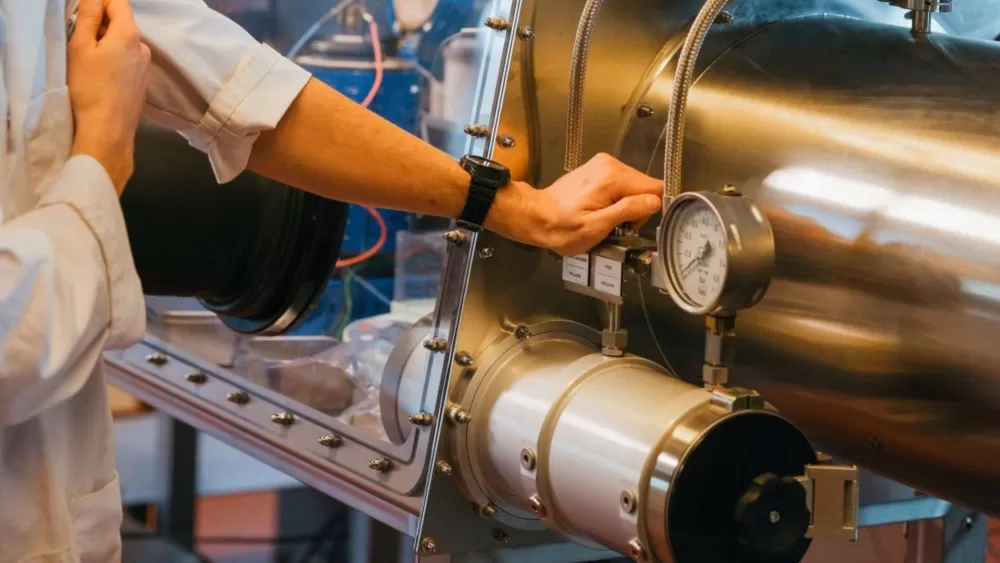
But even legends need an update to stay relevant, right? And that's precisely what happened. Under the dedicated guidance of Professor J. Nagabhushana from IISc's very own Aerospace Engineering department, this grand old tunnel has been completely rejuvenated. It wasn't just a lick of paint, mind you. We’re talking about a brand-new, powerful fan and motor – essentially a new heart for the whole system. Plus, it’s been kitted out with cutting-edge instrumentation, like a sophisticated six-component force balance, a lightning-fast digital data acquisition system, and advanced pressure scanners. These are the "eyes and brains" that allow researchers to capture incredibly precise data, making every experiment more accurate and insightful than ever before.
What does this mean in practical terms? Well, for starters, this upgraded facility can now achieve significantly higher speeds, pushing airflow up to a zippy 120 kilometers per hour within its generous 5 ft x 7 ft test section. That’s a marked improvement from its previous range of 70-80 kmph, and it does it all with far greater efficiency. It’s like taking a classic car and giving it a supercharged engine and a state-of-the-art dashboard – same beloved chassis, but vastly superior performance!
The implications for India’s future are immense. This revitalized wind tunnel isn't just about looking back at past glories; it's firmly focused on tomorrow. It's set to become an indispensable tool for research into emerging fields like drone technology, understanding the complex aerodynamics of high-speed, even hypersonic, vehicles, and supporting various industrial applications beyond just aviation. It continues its crucial mission of training bright young minds, ensuring that India remains at the forefront of aerospace innovation for decades to come.
So, as this historic wind tunnel enters its next chapter, it stands as a wonderful testament to enduring innovation, to the foresight of its creators, and to the unwavering spirit of discovery that thrives within institutions like IISc. It's more than just a facility; it's a living, breathing part of India’s scientific journey, and its story is far from over. Pretty cool, isn't it?
Editorial note: Nishadil may use AI assistance for news drafting and formatting. Readers can report issues from this page, and material corrections are reviewed under our editorial standards.