GSK Secures Hepatitis B Drug Approval Amid a Flood of Biotech Headlines
- Nishadil
- October 22, 2026
- 0 Comments
- 2 minutes read
- 4 Views
- Save
- Follow Topic
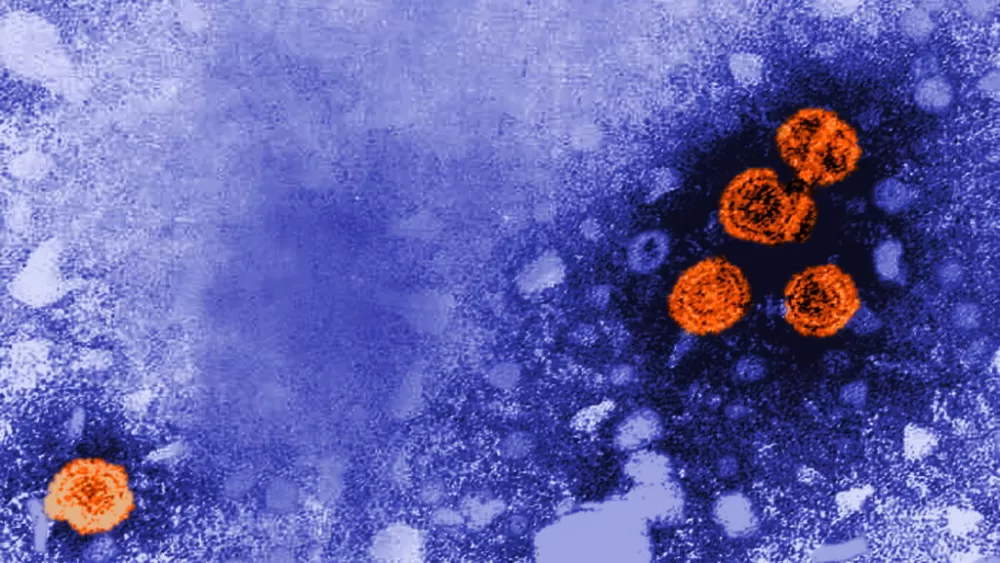
GSK picks up hepatitis B drug approval as the biotech world buzzes with rare‑disease moves and cancer‑therapy updates
GlaxoSmithKline’s newly approved hepatitis B therapy marks a key win for the company, while Mark Cuban’s pharmacy eyes rare diseases and other biotech players report trial milestones.
GlaxoSmithKline (GSK) announced today that the FDA has granted approval for its long‑awaited hepatitis B medication, a move that could help millions worldwide and bolster the firm’s infectious‑disease pipeline. The drug, which has been under development for several years, finally cleared the regulatory hurdle after demonstrating solid safety and efficacy in late‑stage trials.
For GSK, the approval isn’t just another tick in the box—it’s a reminder that big pharma can still pull off meaningful breakthroughs in a market that’s increasingly dominated by nimble biotech start‑ups. The company says it will roll the product out globally later this year, prioritizing regions with high chronic hepatitis B prevalence.
While GSK celebrates, the broader biotech landscape is humming with its own stories. Mark Cuban’s Cost Plus Drugs, the online pharmacy famous for slashing generic prices, is stepping into a far more complex arena: experimental rare‑disease therapies. Cuban’s email outreach last spring hinted at a new venture, and insiders say the company is now negotiating access to early‑stage compounds that could reshape treatment for ultra‑orphan conditions.
In another corner of the industry, Roivant and its subsidiary Priovant released encouraging Phase 3 data for Lisraya, a drug targeting non‑infectious uveitis—a painful inflammatory eye disease that can threaten vision. Lisraya already earned FDA clearance for dermatomyositis, and the company plans to seek an expanded label by mid‑2027.
Meanwhile, Inmatics, the biotech behind an ambitious cancer‑cell‑therapy platform, shared progress on its flagship candidate. The therapy, which re‑programs immune cells to hunt tumors, showed promising signals in a small‑scale trial, though analysts caution that larger studies are still needed before any definitive conclusions can be drawn.
All of these developments underscore a familiar pattern: established pharmaceutical giants are still able to land major approvals, while the start‑up ecosystem pushes the envelope on rare diseases and innovative oncology approaches. It’s a dynamic that keeps investors jittery and patients hopeful.
Of course, the headlines don’t capture the messy reality of drug development—delays, regulatory hiccups, and pricing debates are all part of the equation. Still, each approval or trial milestone adds another piece to a puzzle that will define how we treat chronic infections, rare conditions, and cancer in the coming decade.
So, whether you’re watching GSK’s hepatitis B launch, tracking Cuban’s rare‑disease foray, or following the latest oncology data, one thing is clear: the biotech arena is as busy—and as unpredictable—as ever.
Editorial note: Nishadil may use AI assistance for news drafting and formatting. Readers can report issues from this page, and material corrections are reviewed under our editorial standards.