Danny Trejo Stands Up for Methadone Clinics – ‘Program, Not a Pill’
- Nishadil
- September 13, 2026
- 0 Comments
- 4 minutes read
- 4 Views
- Save
- Follow Topic

Hollywood’s Tough‑Guy Turned Advocate Helps Methadone Clinics Beat Back Deregulation Efforts
Recovering addict‑actor Danny Trejo argues that the strength of methadone treatment lies in the counseling program, not just the drug itself, and pushes back on moves to let patients take it home.
When you see Danny Trejo on screen you expect a rugged villain or a blood‑splattered anti‑hero. Few realize that the man with the scar‑lined face once spent his teenage years hunting heroin in the streets of Los Angeles, and later, behind the walls of Soledad Prison.
His 2021 memoir recounts a childhood of abuse, a first overdose at thirteen, and a series of robberies that landed him in three California state prisons. A violent riot in 1968 almost cost him his life – he smashed a guard’s head with a rock and faced a possible death‑penalty charge. In solitary, he bargained with a higher power, asking only for a dignified end.
Miraculously, the charge was dropped, he was paroled, and Trejo turned his back on the bottle. He embraced the twelve‑step program, has stayed sober for more than fifty years, and never relied on medication‑assisted treatments like methadone or buprenorphine.
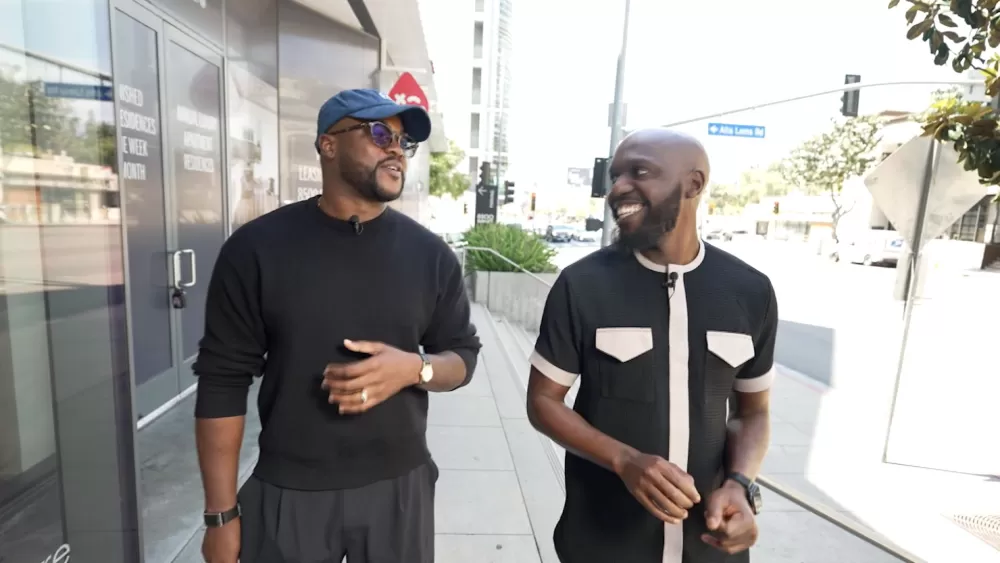
That clean‑record makes him an odd spokesperson for methadone clinics, yet it’s exactly why his voice carries weight. In July 2024, when Congress was poised to rewrite the rules that keep methadone locked inside federally licensed clinics, Trejo sat down with Western Pacific Medical Corp. – a for‑profit operator of dozens of clinics in the Los Angeles and Orange County area.
“There’s a big difference between getting a prescription from a doctor’s office and walking into a place like this,” he told reporters. “At a doctor’s office, you get a bottle and a note. Here you get people who have lived through what you’re living through. You can sit with a counselor who’s clean, who knows the fear of relapse, and say, ‘This is my struggle.’ That connection is priceless.”
The conversation mattered because a growing coalition of patients, addiction physicians, and even neighborhood pharmacies had begun chanting, “Liberate methadone!” Their grievance? The current system forces roughly 400,000 patients to travel to a clinic most days, a routine that feels punitive and strips them of dignity. Doctors are barred by federal law from prescribing methadone for opioid‑use disorder, and pharmacies can fill methadone for pain but not for addiction.
Proponents of deregulation argue that letting patients take home their dose – a practice temporarily allowed during the COVID‑19 pandemic – would cut costs, reduce stigma, and improve adherence. Critics warn that unsupervised use could fuel diversion and undermine the comprehensive support that clinics provide.
Trejo’s stance lands firmly on the side of the program. He stresses that methadone alone is a “pale” substitute for the daily human contact, group therapy, and case management that keep people alive. “Without a drug‑recovery program, I’d be lost,” he said, echoing the sentiment of many who credit their clinics with not just a medication but a lifeline.
Financial stakes are huge. According to a Brookings report, the federal government spent about $29 billion on opioid‑treatment in 2023, with $5 billion flowing through roughly 2,100 methadone clinics. If Congress were to open the market to private prescribers and pharmacies, the landscape could shift dramatically – for better or worse.
For now, the message from Trejo and Western Pacific’s CEO, Mark Hickman, is simple: keep the doors open, keep the counselors in the room, and let the “program” be the heart of recovery. As the legislative battle rolls on, the phrase “Program, Not a Pill” may become the rallying cry that determines whether methadone stays a community‑based service or becomes another commodity on a pharmacy shelf.
Editorial note: Nishadil may use AI assistance for news drafting and formatting. Readers can report issues from this page, and material corrections are reviewed under our editorial standards.