The Soul Weavers of Chicago: How Book Translators Transform Worlds, Word by Word
- Nishadil
- November 02, 2026
- 0 Comments
- 4 minutes read
- 2 Views
- Save
- Follow Topic
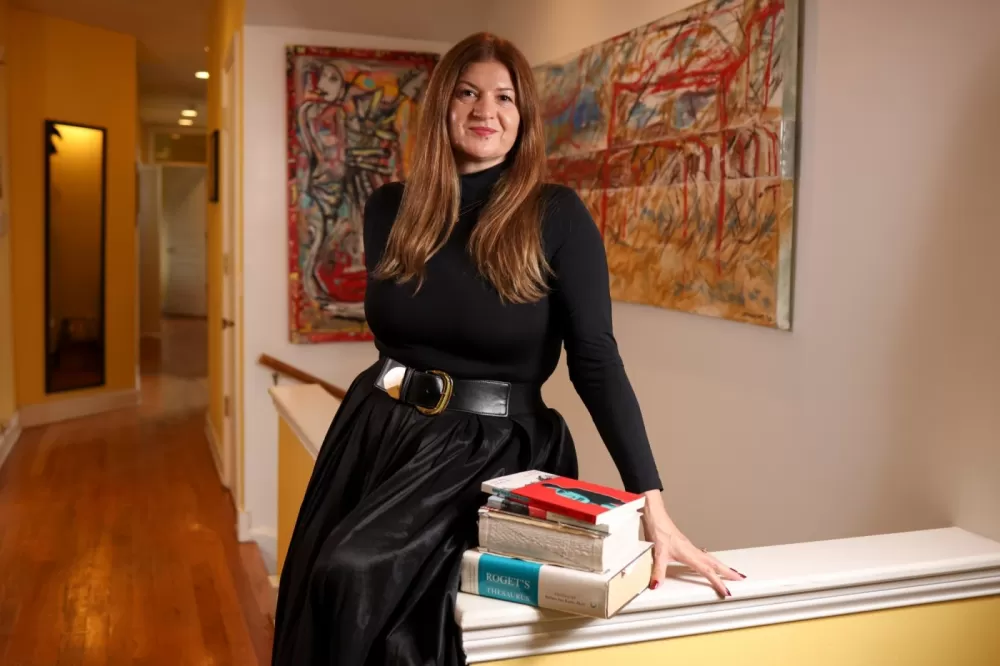
Chicago's Literary Alchemists: More Than Words, They Inhabit Languages
Discover the quiet artistry of Chicago's book translators, who transcend mere linguistic conversion to deeply inhabit the languages they work with, proving that their craft is a profound artistic endeavor, not just a scientific task.
In the bustling heart of Chicago, a city celebrated for its vibrant cultural tapestry and storytelling heritage, there exists a unique cadre of artisans. These are not painters with brushes or sculptors with clay, but rather, the city's dedicated book translators. Their canvas? The intricate, living fabric of language itself. And what they create, you see, is far more than a simple conversion of words from one tongue to another; it’s a profound act of interpretation, a genuine inhabiting of worlds, making their work undeniably more art than mere science.
Think about it for a moment: what does it truly mean to "inhabit" a language? It's certainly not about dutifully flipping through a dictionary or applying rigid grammatical rules, though those tools are undoubtedly part of the kit. No, for Chicago's literary translators, inhabiting a language means delving deep into its very soul. It's about understanding the cultural nuances, the unspoken histories, the inside jokes, the rhythms of thought that shape a narrative. It means grasping the author’s intent, their unique voice, and then, with incredible sensitivity and skill, finding an equivalent, living breath for that voice in a completely different linguistic landscape. It’s almost like becoming a medium for the original author, channeling their essence across borders.
This is precisely where the "art versus science" argument comes into sharp focus. A computer, with all its processing power, can offer a word-for-word translation. It can manage syntax, sure. But can it capture the subtle sting of irony? The wistful longing in a phrase? The particular cadence of a poet's line that evokes a specific emotion? Absolutely not. That requires a human touch, an intuitive understanding that transcends algorithms. A translator, much like a musician interpreting a score, must make countless creative decisions, weighing precision against poetic license, literal meaning against emotional resonance, to ensure the translated work doesn’t just convey information, but truly feels right.
Consider the immense challenges. How do you translate a pun without losing its humor? An idiom that makes no sense outside its original cultural context? Or the sheer beauty of a literary device specific to one language? This isn’t a matter of finding the "correct" answer; often, there isn't one. Instead, it’s about crafting an equivalent experience for the new reader, an echo of the original’s power. It demands imagination, linguistic dexterity, and, frankly, a bit of daring. It's a continuous tightrope walk between fidelity and creativity, requiring an artist's eye for detail and a poet's ear for rhythm.
When you pick up a beautifully translated novel, the translator’s hand is often invisible, and that, ironically, is the mark of their extraordinary artistry. You’re simply immersed in the story, transported by the author’s voice, forgetting entirely that it has traveled across linguistic divides to reach you. This seamlessness is the ultimate achievement, a testament to the translator’s ability to re-create a masterpiece, allowing it to flourish anew. In a city as globally connected as Chicago, where stories from every corner of the world converge, these quiet linguistic architects are indispensable, building bridges of understanding one carefully chosen word at a time.
So, the next time you find yourself captivated by a book originally written in another language, take a moment to appreciate the unsung heroes who brought it to you. The book translators of Chicago, and indeed everywhere, are not just technicians of language; they are empathetic storytellers, cultural ambassadors, and profound artists. They don't just translate words; they translate worlds, inviting us all to inhabit them, if only for a little while.
Editorial note: Nishadil may use AI assistance for news drafting and formatting. Readers can report issues from this page, and material corrections are reviewed under our editorial standards.