Space‑Sector Buzz: SpaceX’s 5G Gambit, Rocket Lab Nears 100 Launches, and Other Stock Movers
- Nishadil
- November 06, 2026
- 0 Comments
- 5 minutes read
- 11 Views
- Save
- Follow Topic
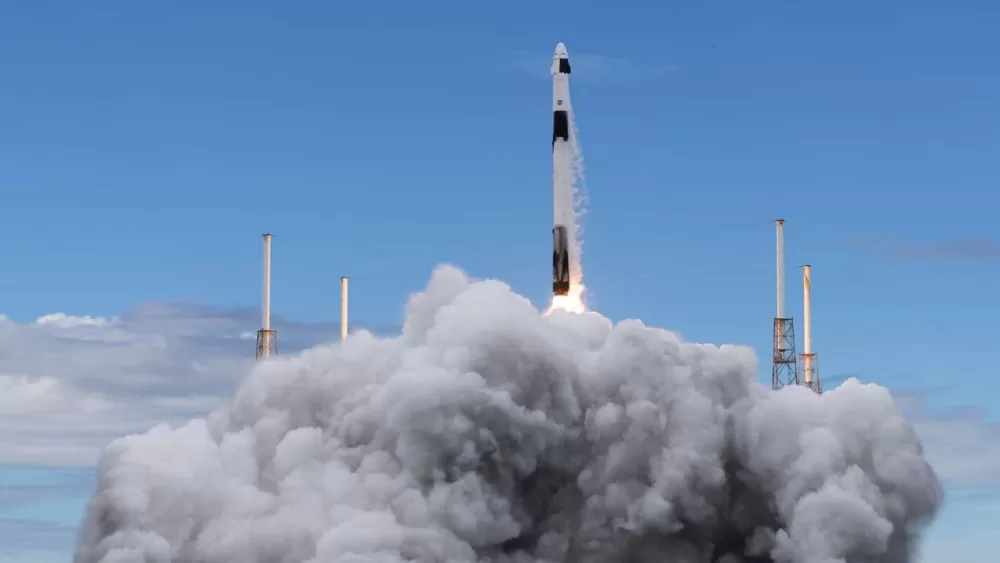
SpaceX chases wireless and AI riches while Rocket Lab eyes its 100th Electron flight – earnings and regulatory wins shake up space stocks
SpaceX inked a deal with Qualcomm to power a nationwide 5G‑enabled Starlink, Rocket Lab readied its 99th Electron launch, and AST SpaceMobile secured a Chilean concession. Mixed earnings from Redwire and Voyager added extra fuel to the market today.
Space X (SPCX) is not just about rockets anymore. The company has teamed up with Qualcomm to power a 5G‑enabled version of Starlink that could blanket the United States with mobile broadband as early as 2027. Qualcomm’s boss, Cristiano Amon, called the partnership a “significant win” for SpaceX’s infrastructure ambitions, and he expects revenue to start trickling in toward the end of fiscal‑2027, picking up speed in fiscal‑2028.
At the same time, rumor mills are churning about a possible bid for EchoStar’s Boost Mobile. If the deal ever materialises, SpaceX would have to wrangle carrier consent to shift the leased network – a hurdle that could slow the timeline.
On the AI front, SpaceX is hunting for financing on a massive $40 billion chip programme. Goldman Sachs and Apollo are looking for investors to take a slice of the deal, which will fund Nvidia‑powered Vera Rubin super‑computers slated for the first half of 2027. Analysts at SemiAnalysis reckon the company’s goal of 13 GW of compute capacity by 2027 is plausible, but they flag power‑supply constraints as a potential snag.
Sequoia partner Shaun Maguire, a long‑time backer, ran a model that saw SpaceX pulling in $731 billion of revenue in 2028. Elon Musk, ever the optimist, replied, “I think we can do better.” Morgan Stanley nudged its free‑cash‑flow breakeven out to 2031, a few years earlier than its previous 2035 estimate. Yet political clouds loom: Sen. Ted Cruz hinted at subpoenas, and market observers warn that a falling stock price could dent any all‑stock acquisition premium.
Retail sentiment on SPCX ticked up to “neutral” from “bearish,” but the shares are still down about 16 % year‑to‑date.
Meanwhile, Rocket Lab (RKLB) is inching toward a milestone – the 99th flight of its Electron rocket, just one launch shy of a tidy hundred. The latest mission lofted iQPS’s WADATSUMI‑II radar‑imaging satellite, marking the company’s 20th launch of 2026 and its tenth successful iQPS flight. The firm has eight more dedicated missions booked through 2030, keeping the launch cadence robust.
Investors seem upbeat: Citizens Research maintains a “Market Outperform” rating and a $90 price target, treating the Neutron heavy‑lift rocket’s delay as a timing issue rather than a fundamental flaw. The debut is now pencilled in for the latter half of fiscal Q2 2027.
Nonetheless, Rocket Lab isn’t immune to scrutiny. Globalstar raised eyebrows over a possible supplier clash tied to the Iridium merger, while Rocket Lab and Iridium argue that the concerns pre‑date the deal. At a recent summit, Space Systems chief Brad Clevenger chatted with Sen. Kevin Cramer about commercial space and national security.
Insider activity also caught eyes: CFO Adam Spice sold about 140,000 shares for $7.4 million, and director Nina Armagno off‑loaded roughly 11,000 shares, both after exercising options. Retail sentiment slipped back to “bearish,” and the stock is down about 25 % YTD.
AST SpaceMobile (ASTS) scored a technical win with AT&T: the two firms demonstrated the industry’s first seamless handoff from a terrestrial network to a satellite link, a test performed in Washington and backed by Ericsson and Nokia. AT&T’s Robert Walters cautioned that the milestone is “not the finish line,” but it does bring beta services a step closer.
On the regulatory side, ASTS landed a 30‑year, nationwide concession in Chile, with a two‑year rollout plan that aims for commercial service by November 2028. Competition is heating up, though. Boost Mobile founder Peter Adderton urged AST to “pivot fast” and partner with seasoned mobile operators.
Ownership filings show Vanguard holding 5.11 % of ASTS (about 15.33 million shares) and Rakuten Investment Management nudging its stake up to 17,156 shares, a 23.9 % increase quarter‑over‑quarter.
Retail sentiment on ASTS stayed “bearish,” and the stock has slumped about 51 % so far this year.
Turning to earnings, Redwire (RDW) posted Q3 revenue of $109 million – a 5.4 % rise but still below the $126.6 million consensus. The company recorded a $0.09 loss per share, matching expectations, yet it highlighted a record $619.7 million backlog and an impressive 32.3 % gross margin, up from 16.3 % a year ago. CEO Peter Cannito said revenue timing remains uneven, but the quality of contracts is improving. Redwire kept its FY 2026 revenue guidance of $450‑$500 million, slightly under analysts’ $475 million median. Retail sentiment jumped to “extremely bullish,” and the shares are up about 2 % YTD.
Voyager Technologies (VOYG) had a brighter quarter. Revenue exploded 124 % to $89 million, beating the $81.4 million estimate, while adjusted loss widened to $0.87 per share. The company also announced fresh work from NASA, adding a sprinkle of optimism to its outlook.
All told, the week packed a punch for space‑related equities – from wireless‑network ambitions and AI financing to launch milestones and regulatory approvals. Investors will be watching how these storylines evolve, especially as the industry grapples with political headwinds and intense competition.
Editorial note: Nishadil may use AI assistance for news drafting and formatting. Readers can report issues from this page, and material corrections are reviewed under our editorial standards.