Ketamine Boosts Mindfulness Therapy, Sharpening Body Awareness to Tame Opioid Cravings
- Nishadil
- November 07, 2026
- 0 Comments
- 4 minutes read
- 6 Views
- Save
- Follow Topic
New UC San Diego study shows ketamine‑assisted mindfulness may help people hear their bodies and curb opioid urges
A recent UC San Diego trial found that pairing ketamine with Mindfulness‑Oriented Recovery Enhancement heightened interoceptive awareness, leading to fewer cravings and reduced drug use among patients on buprenorphine.
When you’re caught in the grip of opioid use disorder, the body’s subtle signals often feel muted or, worse, ignored. A fresh study from the University of California, San Diego suggests a surprising ally—ketamine—might help restore that lost dialogue when paired with a mindfulness‑based program.
Researchers led by Dr. Eric Garland, a professor of psychiatry at UC San Diego School of Medicine, examined 68 adults who were already on buprenorphine, one of the most reliable medications for opioid use disorder. Participants were split into two groups: one received the eight‑week Mindfulness‑Oriented Recovery Enhancement (MORE) program alone, while the other got the same program plus two sessions of ketamine‑assisted psychotherapy.
MORE, which Dr. Garland helped develop, blends classic mindfulness meditation with techniques that help people reframe stressful moments and savor positive experiences. Past trials have shown it can slash opioid misuse by roughly 45 %—a stark improvement over standard supportive therapy.
In the new trial, the ketamine‑augmented group reported noticeably fewer episodes of drug use and lower craving scores three months after treatment ended. In fact, across the follow‑up period, they used opioids 44 % less often than their counterparts who only did MORE.
So, what gave ketamine its extra edge? The answer appears to lie in interoception—the brain’s ability to sense, interpret, and act on internal bodily cues like heart rate, breath, and muscle tension. Those signals are crucial for emotional regulation and self‑control, yet they’re often blunted in people struggling with substance use.
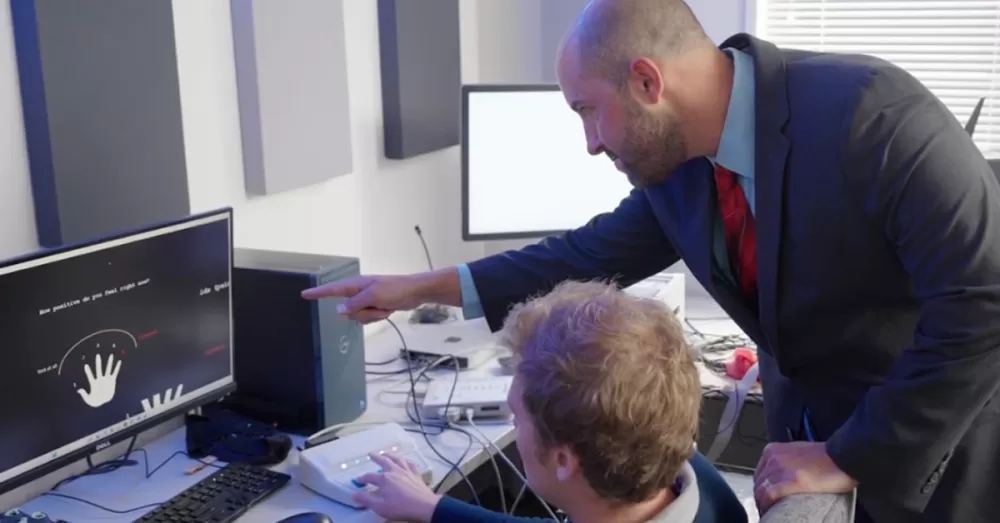
To track interoceptive changes, participants received brief smartphone prompts three times a day asking how aware they were of bodily sensations at that moment. Those who had the ketamine sessions reported a rapid uptick in body awareness, a rise that became evident right around the first ketamine infusion and persisted for at least a month afterward.
But noticing sensations is only half the battle. The study also measured two more nuanced skills: listening to the body for useful information and using that awareness to soothe distress. The ketamine‑plus‑MORE participants showed bigger gains in both areas, and those improvements were linked to lower cravings at the three‑month mark.
“Addiction can make it extraordinarily difficult for people to recognize what is happening inside their bodies and respond in ways that support recovery,” Dr. Garland explained. “Our findings suggest ketamine combined with mindfulness may create an opportunity for people to become more attuned to those internal signals and, importantly, learn how to respond to them more skillfully rather than automatically reacting to cravings.”
Beyond the numbers, some participants described the ketamine experience as a feeling of oneness with the universe—a sensation that, according to the researchers, correlated with the biggest reductions in craving. While such mystical moments are not the sole driver of recovery, they may act as a catalyst, opening the mind to new ways of perceiving the body.
These insights add a fresh layer to a growing body of literature that sees psychedelics not just as “hallucinogens” but as tools that can amplify existing therapeutic frameworks. By strengthening interoceptive awareness, ketamine may help people interrupt the automatic loop of craving → use → guilt, replacing it with a pause, a breath, and a conscious choice.
The study’s authors caution that ketamine is not a stand‑alone cure. It was delivered in a controlled, therapeutic setting, paired with a structured mindfulness curriculum, and the participants continued their medication‑assisted treatment throughout. Still, the results point toward a promising, integrative direction for opioid‑use disorder care.
As the opioid crisis continues to exact a heavy toll, clinicians and researchers are scrambling for innovative strategies. If future trials replicate these findings, ketamine‑assisted mindfulness could become a valuable addition to the armamentarium—one that helps people not only quit using but also reconnect with the bodies that have been shouting for attention all along.
Editorial note: Nishadil may use AI assistance for news drafting and formatting. Readers can report issues from this page, and material corrections are reviewed under our editorial standards.