
A Greener Future for AI: Yokogawa & NUS Team Up on Sustainable Tropical Data Centers
- Nishadil
- September 29, 2026
- 0 Comments
- 4 minutes read
- 3 Views
- Save
- Follow Topic
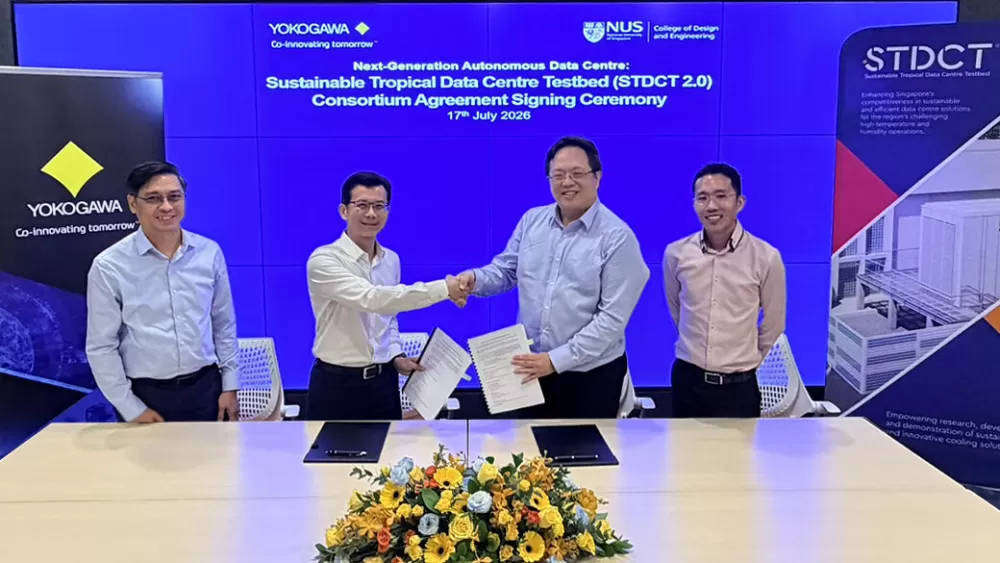
Yokogawa and NUS Pioneer Sustainable AI Data Centers for Tropical Climates
Yokogawa Engineering Asia is partnering with the National University of Singapore (NUS) on an ambitious project to develop multi-megawatt, sustainable AI data centers tailored for tropical climates. This initiative aims to drastically cut energy and water consumption, setting a new standard for green digital infrastructure in Singapore and beyond.
It’s a bold vision, really: imagine powerful AI data centers humming along efficiently, even in the steamy, humid embrace of the tropics, all while consuming drastically less energy and water. Well, that vision is quickly becoming a reality, thanks to a significant partnership in Singapore. The news, which broke on September 29, 2026, confirmed that Yokogawa Engineering Asia Pte. Ltd., a key subsidiary of the venerable Yokogawa Electric Corporation (you know, the global industrial automation giant founded way back in 1915 in Tokyo), has officially joined the Sustainable Tropical Data Centre Testbed Phase 2.0 (STDCT 2.0) Consortium.
This isn't just any collaboration; it's a concerted effort to scale up an existing tropical climate AI data center testbed into a full-blown, multi-megawatt pilot facility. Think about the implications: huge computing power for artificial intelligence, but with a drastically reduced environmental footprint. It’s a game-changer. Yokogawa Engineering Asia is teaming up with some serious players here, including the National University of Singapore (NUS), specifically its College of Design and Engineering (CDE), and the Singapore government’s industrial infrastructure developer, JTC Corporation. It’s a truly collaborative effort, bringing together industry smarts, academic rigor, and governmental backing.
What's truly fascinating is the core mission of STDCT 2.0. It's not just theoretical; it's a living, breathing laboratory dedicated to developing and evaluating cutting-edge energy management and cooling technologies. The goal? To establish a sustainable operating model that really works for AI data centers in challenging tropical climates. Picture this: a live testbed designed from the ground up to innovate ways to slash both energy and water consumption for those incredibly dense, AI-driven operations. This aligns perfectly with Singapore’s grander vision for Jurong Island, which they're developing as a hub for next-generation data centers, projected to eventually reach an impressive capacity of up to 700 megawatts. It's a clear statement of intent for a sustainable digital future.
This is where Yokogawa truly shines, bringing their considerable expertise to the table. With a global network spanning 136 companies in 63 countries and over 18,000 employees, Yokogawa has long been a leader in industrial automation and autonomous operations. They’re essentially taking that deep well of knowledge and applying it directly to the unique challenges of data centers. Their role? To significantly enhance operational efficiency, boost asset reliability, and fine-tune energy optimization within these complex facilities. Furthermore, they’re keen on exploring joint research initiatives to tackle those tricky, emerging challenges where existing solutions simply aren't enough. It's about getting smart, leveraging data, and ultimately making these facilities run better, smarter, and greener.
The enthusiasm from all parties is palpable. Professor Lee Poh Seng, who not only directs the STDCT but also heads the Department of Mechanical Engineering at NUS's College of Design and Engineering, underscored the importance of this alliance. He emphasized that integrating Yokogawa’s industrial expertise with NUS's research capabilities is crucial for pioneering novel solutions that meet the surging demand for AI computing power sustainably. Mr. Kin Wah Chay, President and CEO of Yokogawa Engineering Asia, echoed this sentiment, highlighting Yokogawa's commitment to creating a sustainable future through their automation, control, and digital technologies. He pointed out their aim to optimize the entire data center lifecycle – from construction and operations right through to maintenance – by leveraging their extensive domain knowledge.
Ultimately, what we're witnessing here is more than just a technological advancement; it's a concerted push towards a more responsible digital future. This isn't just about Singapore; it’s about setting a global precedent for how data centers, particularly those supporting the insatiable demands of AI, can operate efficiently and sustainably in any climate. By combining advanced research with practical industrial automation, this consortium is truly laying down a blueprint for a greener, more resilient digital infrastructure worldwide. It’s an exciting time, indeed, to see such innovative minds coming together for such a vital cause.
- India
- Pakistan
- News
- Technology
- Australia
- Singapore
- Engineering
- TechnologyNews
- China
- Tech
- NewZealand
- Japan
- SriLanka
- SouthKorea
- Bhutan
- Malaysia
- Indonesia
- Maldives
- HongKong
- Afghanistan
- ComputerElectronics
- DigitalTransformation
- AiInfrastructure
- Nepal
- DataAnalytics
- Networks
- Bangladesh
- Thailand
- Mongolia
- Brunei
- Philippines
- Cambodia
- Fiji
- CloudComputingInternetOfThings
- Math
- IndustrialIot
- ComputerHardware
- StemScience
- SustainableDataCenters
- NusResearch
- EnergyEfficientTechnology
- YokogawaEngineeringAsia
- TropicalCoolingSolutions
- SingaporeGreenInitiatives
- YokogawaAutomation
- JurongIslandDataCenter
Editorial note: Nishadil may use AI assistance for news drafting and formatting. Readers can report issues from this page, and material corrections are reviewed under our editorial standards.










