Wisconsin Governor Candidates Clash Over Economy, Trump and the 2020 Election in a Heated Debate
- Nishadil
- October 22, 2026
- 0 Comments
- 3 minutes read
- 10 Views
- Save
- Follow Topic
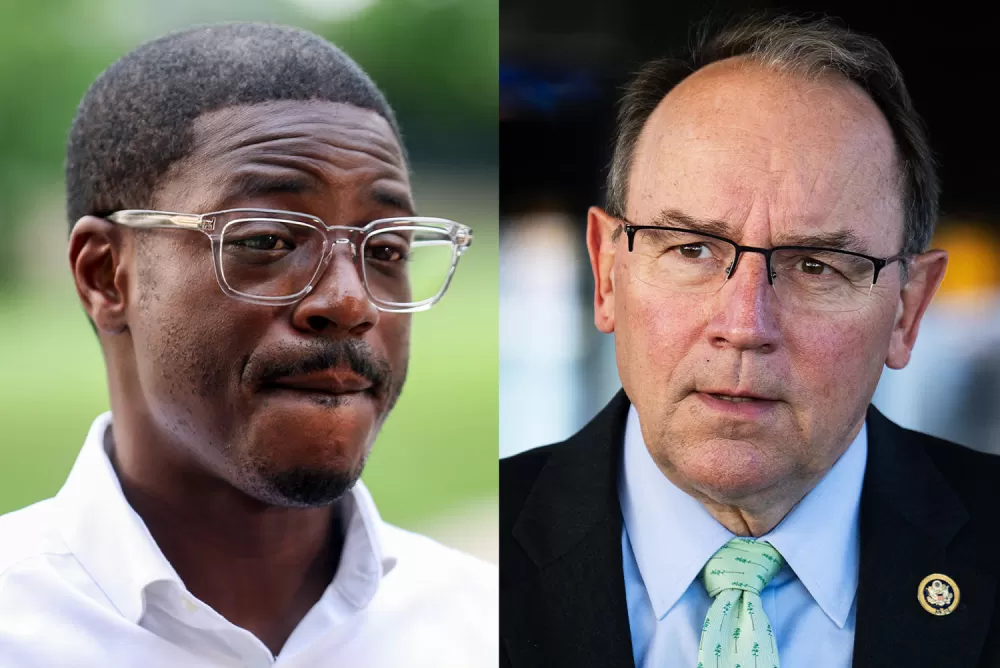
Crowley vs. Tiffany: A Tense Debate on Prices, Trump, and Abortion
Democrat David Crowley and Republican Tom Tiffany sparred in Wisconsin’s only governor’s debate, trading barbs on affordability, tax policy, Trump’s legacy, the 2020 election and abortion rights.
On Wednesday night the only debate of the 2026 Wisconsin governor’s race turned into a rapid‑fire showdown between Milwaukee County Executive David Crowley and Congressman Tom Tiffany. Both men know the stakes: they’re vying to replace retiring Democrat Gov. Tony Evers in the state’s first open governor’s contest since 2010.
The conversation quickly veered toward the economy, a topic that feels almost personal for voters still feeling the pinch of rising prices. Tiffany promised to roll back recent tax hikes and return surplus dollars straight to households, painting a picture of “more money in the pocket of the average Wisconsonian.” Crowley, by contrast, argued for a “fair tax system” that would fund schools, roads and public transit without crushing low‑income families.
Throughout the hour‑long exchange, Crowley kept looping Tiffany back to former President Donald Trump. He warned that the “big, beautiful bill” from 2025 – a tax cut and spending package championed by Trump‑aligned lawmakers – had inflated costs for everyday Wisconsinites. “When Congressman Tom Tiffany says he’s focused on affordability, let’s be very clear: he voted for the bill that helped the highest earners while slashing health‑care and food‑assistance funding,” Crowley said, pointing to the donations Tiffany has received from Republican megadonors.
Tiffany fired back, insisting his focus was on Wisconsin, not Washington. “I’m not here to create more programs that end up taxing Wisconsinites again. I want to put money back where it belongs – in the taxpayer’s pocket,” he declared, before accusing Crowley of sounding “like a socialist.” The comment sparked a brief flashback to the June primary, where Crowley narrowly beat state Rep. Francesca Hong, a democratic socialist, by fewer than 4,000 votes.
The debate also touched on the lingering fallout from the 2020 presidential election. When moderators asked Tiffany how he voted to overturn the election results as a member of Congress, he answered cryptically, “One of the reasons that I did that is Zuckerbucks,” referencing the perceived influence of big‑tech money.
Abortion surfaced as another flashpoint. Tiffany said he would uphold Wisconsin’s current law that allows abortions up to 20 weeks, yet his congressional record includes support for “heartbeat” bills that would ban the procedure as early as six weeks. Crowley seized the moment, accusing Tiffany of flip‑flopping on women’s rights.
Beyond policy, the tone of the debate was unmistakably tense. Crowley repeatedly warned that “we don’t need what’s happening in Washington D.C. coming into Wisconsin,” implying that Tiffany’s alignment with Trump and billionaire donors would steer the state toward the same partisan gridlock. Tiffany, for his part, dismissed those accusations as political theater, emphasizing that his priority was “Wisconsin first.”
When the lights finally dimmed, both candidates walked away with a clearer sense of where their opponent stands – and where voters might be willing to draw the line. With the race still neck‑and‑neck, the debate may prove to be a pivotal moment for undecided Wisconsinites weighing economics, culture and the lingering shadows of the 2020 election.
Editorial note: Nishadil may use AI assistance for news drafting and formatting. Readers can report issues from this page, and material corrections are reviewed under our editorial standards.