Why Nuclear Power Needs Real Oversight, Not Just Good Intentions
- Nishadil
- October 24, 2026
- 0 Comments
- 3 minutes read
- 9 Views
- Save
- Follow Topic
Letters Call for Stronger Safety Regimes as Public Trust Wavers
Readers voice concerns over nuclear safety, urging transparent oversight and tougher regulations rather than reliance on hope alone.
When you think about nuclear power, what’s the first thing that comes to mind? For many, it’s a mix of awe and anxiety – a marvel of engineering paired with the specter of a disaster. That uneasy feeling shows up in the letters we’ve received this week, each one echoing a common refrain: we need concrete oversight, not just prayers that everything will be "okay."
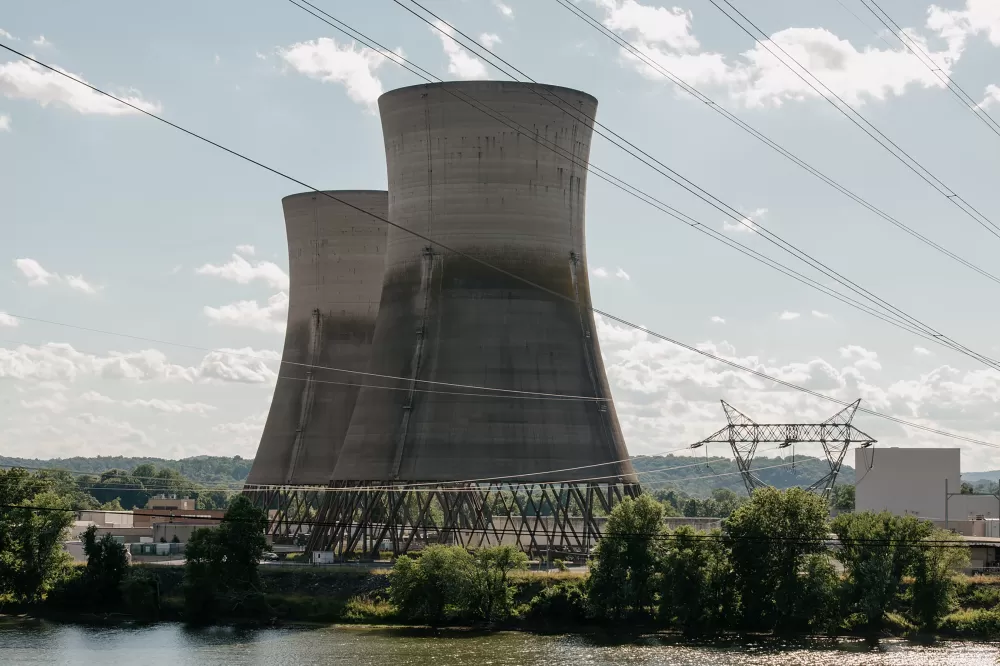
One writer from Springfield reminded us that the industry’s safety record, while statistically impressive, is still punctuated by events that shake public confidence. "Three Mile Island taught us a hard lesson," they wrote, "but the lessons keep getting buried under budget sheets and political rhetoric." The point is clear – transparency can’t be an after‑thought.
Another correspondent, a retired nuclear engineer, took a more technical stance. He noted that today’s reactors are equipped with multiple redundant safety systems, yet “redundancy means nothing if the oversight bodies lack the authority or the will to enforce them.” He suggested a few practical steps: mandatory real‑time data sharing with independent watchdogs, regular third‑party stress tests, and an open forum where community members can ask questions without fear of being brushed aside.
It’s not just about the plants themselves. A mother from Cambridge voiced a different, more personal worry: the long‑term health impacts on children living near nuclear facilities. She asked, "How do we know the cumulative low‑dose radiation won’t affect our kids down the road?" While the science is still evolving, she argued that the precautionary principle should guide policy – err on the side of safety, especially when the stakes involve future generations.
Several letters also pointed to the political arena, where short‑term energy goals often eclipse safety considerations. One reader complained that politicians “treat nuclear licensing like a rubber stamp, fast‑tracking projects to meet climate targets while sidestepping the gritty details of waste management.” The writer urged lawmakers to decouple climate ambition from nuclear approvals, insisting that each project earn its own safety merit.
Even the skeptics of nuclear power found common ground on the need for rigorous oversight. A self‑identified anti‑nuclear activist admitted that, regardless of one’s stance on the technology, “no one can argue that lax regulation is acceptable.” This unexpected consensus suggests a pathway forward: a bipartisan, community‑driven safety board that operates with clear, enforceable standards.
In the end, the letters paint a picture of a public that isn’t opposed to nuclear energy per se – it’s opposed to the idea that safety can be left to chance, or to the “prayer‑and‑hope” approach that sometimes slips into public discourse. What they ask for is simple, if demanding: accountability, transparency, and the kind of rigorous oversight that keeps both plants and people safe.
So, as we continue the conversation about our energy future, let’s remember that good intentions alone won’t cut it. The road to reliable, safe nuclear power is paved with clear rules, diligent monitoring, and an unwavering commitment to protect the communities that host these facilities.
Editorial note: Nishadil may use AI assistance for news drafting and formatting. Readers can report issues from this page, and material corrections are reviewed under our editorial standards.