Why Is My Money Plant Turning Yellow? 7 Things to Check First
- Nishadil
- October 19, 2026
- 0 Comments
- 4 minutes read
- 10 Views
- Save
- Follow Topic
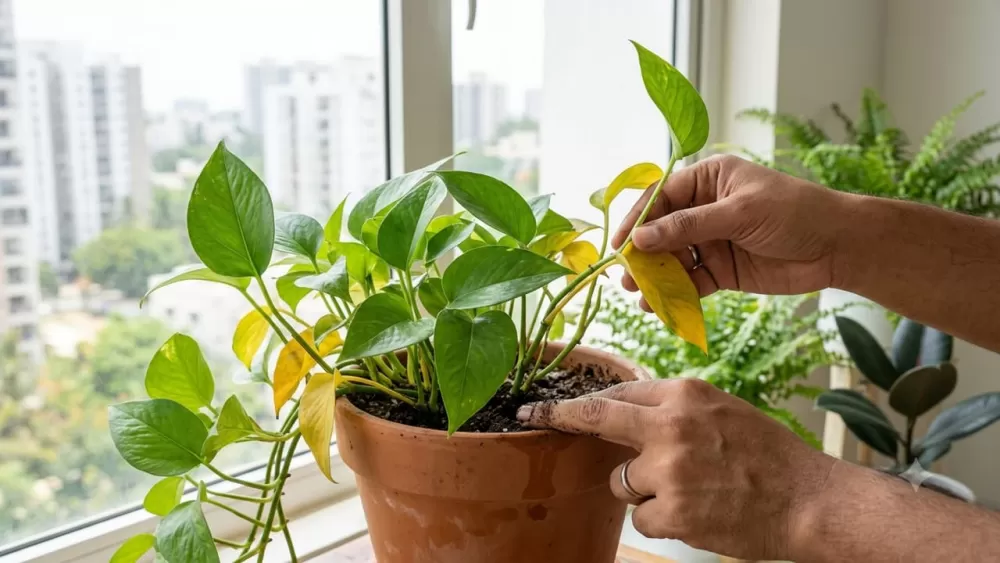
Simple fixes for yellowing leaves – before you toss the plant
Yellow leaves on a money plant aren’t always a death sentence. Look at watering, light, drainage, roots, pot size, fertiliser and pests to bring it back to health.
Money plants are a staple in many Indian homes – they’re cheap, look nice and don’t demand a lot of fuss. Still, when those glossy leaves start to turn yellow, you’ll wonder whether you’ve done something wrong.
Don’t panic. In most cases a few quick tweaks can rescue the plant. Below are seven everyday factors to examine before you decide the plant is beyond help.
1. Are you watering too often? Over‑watering is the usual suspect. When soil stays soggy, roots can’t breathe and rot sets in. Stick your finger a centimetre or two into the mix; if it feels wet, hold off on the next watering. Make sure the pot has a drainage hole and never let it sit in a saucer full of water. A sour smell or mushy stems are clues that the roots are already struggling.
2. Is the plant getting enough light? Money plants tolerate low light, but they really thrive in bright, indirect sunshine. A dim corner will produce pale, yellowing foliage over time. Move the pot nearer a window where the light is filtered by a curtain, but avoid harsh midday sun that can scorch the leaves. Give it a few weeks and watch the new growth for a greener hue.
3. Does the pot drain properly? Even if you water carefully, a pot without holes will hold excess moisture, turning the soil into a swamp. Check the bottom of the container – water should escape freely. If you love the look of a decorative pot, place a nursery‑size pot with holes inside it and empty any collected water after each watering.
4. Are the roots healthy? Yellow leaves combined with soft stems or constantly damp soil often point to root trouble. Gently ease the plant out of its pot and peek at the roots. Healthy roots are firm and white; rotten ones look dark, mushy and may emit a foul odor. Trim away any bad sections with clean scissors, then repot in fresh, well‑draining mix. If most of the root ball is damaged, take a healthy cutting before you start over.
5. Has the plant outgrown its pot? A cramped pot forces roots to circle, limiting their ability to take up water and nutrients. Look for roots poking out of the drainage holes or soil that dries unusually fast. If you see these signs, move the plant into a container only one size bigger and refresh the growing medium. Don’t repot just because a few leaves yellow – check the roots first.
6. Are you over‑fertilising? Adding extra fertilizer might seem like a quick fix, but too much can burn the roots and cause yellow or brown margins on the leaves. If you’ve fed the plant heavily lately, pause feeding and give the soil a good flush with water (provided the pot drains). Resume fertilising only during active growth and follow the label’s dosage.
7. Are temperature swings or pests at play? Sudden drafts from air‑conditioners, heaters, or a chilly window can stress a money plant. Keep it away from direct airflow. Then, inspect the undersides of leaves and stems for tiny pests – spider mites, mealybugs or scale insects leave webbing, cotton‑like clusters or sticky residue. If you spot an infestation, isolate the plant and treat it with a gentle house‑plant pesticide, testing a small patch first.
What to do with the yellow leaves? A leaf that’s fully yellow won’t turn green again, so snip it off with clean scissors. Leave the healthy green foliage intact – that’s where the plant still makes food.
Finally, avoid changing every variable at once. Pick the most likely issue, adjust, then give the plant a couple of weeks to respond. With a little patience, most money plants bounce back and keep greening your space.
Editorial note: Nishadil may use AI assistance for news drafting and formatting. Readers can report issues from this page, and material corrections are reviewed under our editorial standards.