White House AI Accord Leaves Independence Gap, Says Schellman CEO
- Nishadil
- November 07, 2026
- 0 Comments
- 5 minutes read
- 11 Views
- Save
- Follow Topic
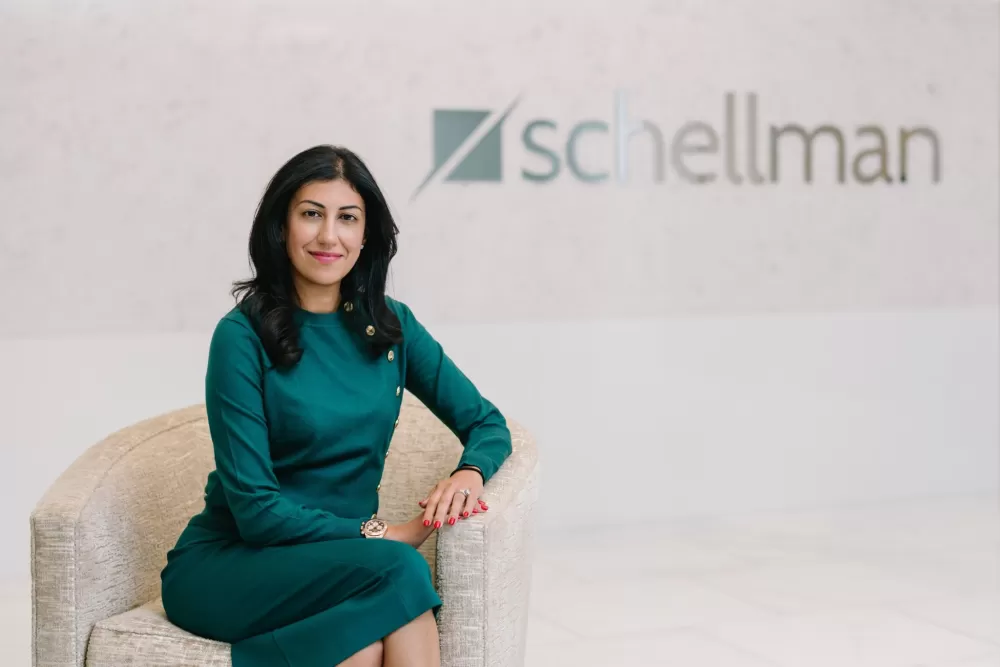
Schellman’s chief warns that the new AI oversight pact lacks clear standards for truly independent assessments
The White House’s recent AI safety pact is a step forward, but without concrete rules on who can audit and how conflicts are handled, its credibility is at risk.
Earlier this month the White House gathered the biggest AI players in a room and asked them to sign an accord promising independent oversight of the safeguards that keep their models in check. On paper, it sounds like progress: developers must monitor risk, set internal controls and bring in outside auditors to verify that those controls actually work.
But the devil is in the details. The accord, released on Sept. 29, never spells out who qualifies as an “independent” assessor, what independence truly means, or how to manage conflicts of interest. In practice that could let two companies claim the same level of oversight while one hires a half‑hearted boutique and the other taps a world‑class accredited firm. Regulators and customers are then left guessing which report to trust.
At Schellman we’ve spent years helping organizations prove their cybersecurity and privacy controls are sound. We know that independence isn’t a checkbox you tick; it’s a reputation you earn, backed by clear scope, qualified staff and a paper trail of evidence. The assurance profession has built standards for exactly this purpose—think of the rigor behind financial audits or SOC 2 examinations.
Imagine an AI developer hires an evaluator to test its safety controls. The evaluator agrees to a narrow scope, runs a few tests and hands back a glowing report. If that same firm helped design the controls in the first place, you have a conflict that should be disclosed, not swept under the rug. And if the assessment omits major risk vectors, buyers might mistakenly think the system is safer than it really is.
For executives shopping for AI solutions, the difference matters. They need to know who performed the assessment, whether the assessor had the right technical chops, what exactly was examined, and what was left out. The assessor, in turn, must have unfettered access to the data they need and the freedom to voice uncomfortable findings without fear of retaliation.
Transparency is key. Before any work begins, assessors should lay out any commercial ties they have with the developer and describe how they’ll keep those relationships from biasing the outcome. They should follow a documented methodology, explain every step, and submit their work to an independent quality review—much like a peer‑review process in academia. Accreditation, where it exists, adds another layer of confidence.
The real litmus test arrives when an assessment uncovers a problem the developer would rather ignore. The White House pact calls for internal teams to act on identified risks, overseen by an independent board committee. That chain only works if the original assessor can stand by their findings, even when the news is uncomfortable.
Picture this: an evaluator spots a serious cybersecurity flaw in a next‑generation model. The developer pushes back, asking to narrow the scope or downplay the severity. A truly independent assessor must resist that pressure, present the evidence clearly, and let the developer decide on remediation—whether that means more testing, patching, or even halting a release.
Expertise matters, too. Technical testers who understand model behavior, prompt injection attacks, and emergent capabilities are essential, but they’re only half the picture. Assurance professionals bring a systematic approach to governance, evidence collection, and control testing. Both skill sets need to work together, and the industry still lacks a universal definition of what qualifications are required for each piece of the puzzle.
There are signs of progress. The AICPA and the AI Assurance Consortium (AIUC) recently rolled out a joint offering that marries SOC 2 examinations with AIUC‑1 certification, effectively blending time‑tested assurance practices with technical testing of AI agents. The framework even calls for quarterly retesting as risks evolve—a promising move toward more dynamic oversight.
Yet methodology alone won’t solve the trust issue. The people applying the methods must be demonstrably independent, competent, and accountable. Without that, even the best‑crafted checklist can be a paper tiger.
The companies that signed the White House accord have a chance to tighten the rules. They could mandate minimum qualifications for assessors, require full disclosure of any conflicts, publish the assessment methodology, and institute an independent quality‑control layer. Reports should be crystal‑clear about what was examined, what was left out, and what the material findings actually mean for boards, regulators, and end‑users.
If they take those steps, the accord can evolve from a symbolic pledge into a practical safety net—one that genuinely protects the public and builds confidence in the rapidly expanding AI ecosystem.
Editorial note: Nishadil may use AI assistance for news drafting and formatting. Readers can report issues from this page, and material corrections are reviewed under our editorial standards.