When TV Turned the 1960 Election on Its Head
- Nishadil
- October 21, 2026
- 0 Comments
- 2 minutes read
- 11 Views
- Save
- Follow Topic
The First Presidential Televised Debate Redefined Politics
In September 1960, Kennedy and Nixon faced off on live TV for the first time. The visual showdown reshaped campaign strategy and made image as crucial as policy.
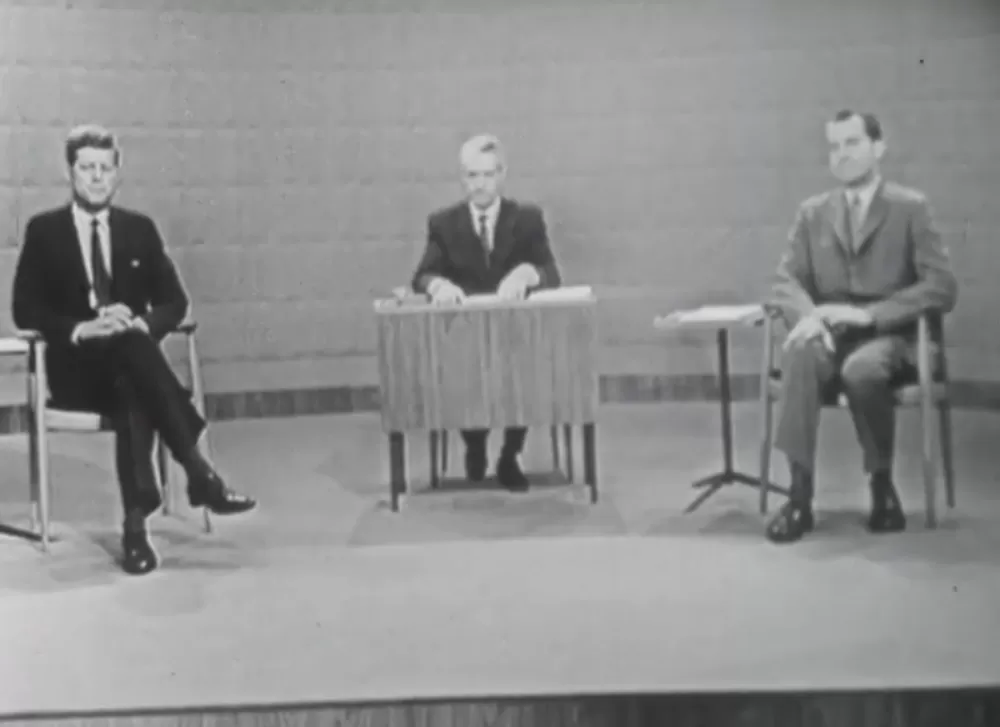
It was a crisp autumn evening in 1960 when the nation gathered around a brand‑new medium: television. At WBBM studios in Chicago, John F. Kennedy and Richard Nixon stepped onto a set that would become the most influential political stage in U.S. history.
Neither candidate could have predicted how the cameras would dictate the race. Kennedy, barely older than his opponent, had a team that rehearsed his posture, his suit, even the subtle smile that would translate well under bright studio lights. Nixon, a seasoned senator, treated the debate like any other campaign stop – no makeup, a plain gray suit, and a five‑o’clock shadow that showed up starkly on screen.
When the lights flickered on, the differences were unmistakable. Kennedy’s dark suit contrasted sharply with the backdrop, his hair neatly combed, his voice calm and confident. Nixon, on the other hand, looked pale, sweaty, and his suit blended into the gray of the set. The audience at home took in more than words; they took in visual cues that would linger for weeks.
Pollsters quickly reported a shift. Viewers who watched the debate on television overwhelmingly favored Kennedy, while radio listeners – who heard only the arguments – leaned toward Nixon. The split underscored a new reality: in a country where television sets were suddenly as common as radios, image could sway public opinion as powerfully as policy.
Chicago’s own Mayor Richard Daley summed it up bluntly, saying, “My God, they embalmed him before he even died.” The comment reflected the bruising effect the televised performance had on Nixon’s campaign.
The 1960 debate did more than just tilt one election; it sparked a permanent re‑examination of how candidates present themselves. From carefully staged TV ads in the 1970s to today’s Instagram‑polished moments, politicians now treat visual presentation as a core component of their strategy.
Modern media, whether a live webcast, a podcast, or a TikTok clip, still carries the echo of that Chicago studio. The lesson remains the same: a candidate’s look, demeanor, and the medium they choose can be as decisive as the policies they advocate.
- Entertainment
- UnitedStatesOfAmerica
- CaliforniaPolitics
- News
- EntertainmentNews
- President
- JohnFKennedy
- RichardNixon
- CampaignStrategy
- Kennedy
- Issue
- Broadcast
- PoliticalImage
- TelevisedDebate
- Studio
- Kcra3
- Image
- JfkNixonDebate
- TvAppearance
- RichardDaley
- BroadcastPolitics
- Moderator
- FirstTvDebate
- MidtermCongressionalSeats
- 1960PresidentialDebate
- KennedyNixonTv
- FirstTelevisedDebate
- CampaignMedia
Editorial note: Nishadil may use AI assistance for news drafting and formatting. Readers can report issues from this page, and material corrections are reviewed under our editorial standards.