When the Way You Use Weed Signals Trouble: A New Look at Cannabis Addiction
- Nishadil
- November 08, 2026
- 0 Comments
- 4 minutes read
- 9 Views
- Save
- Follow Topic
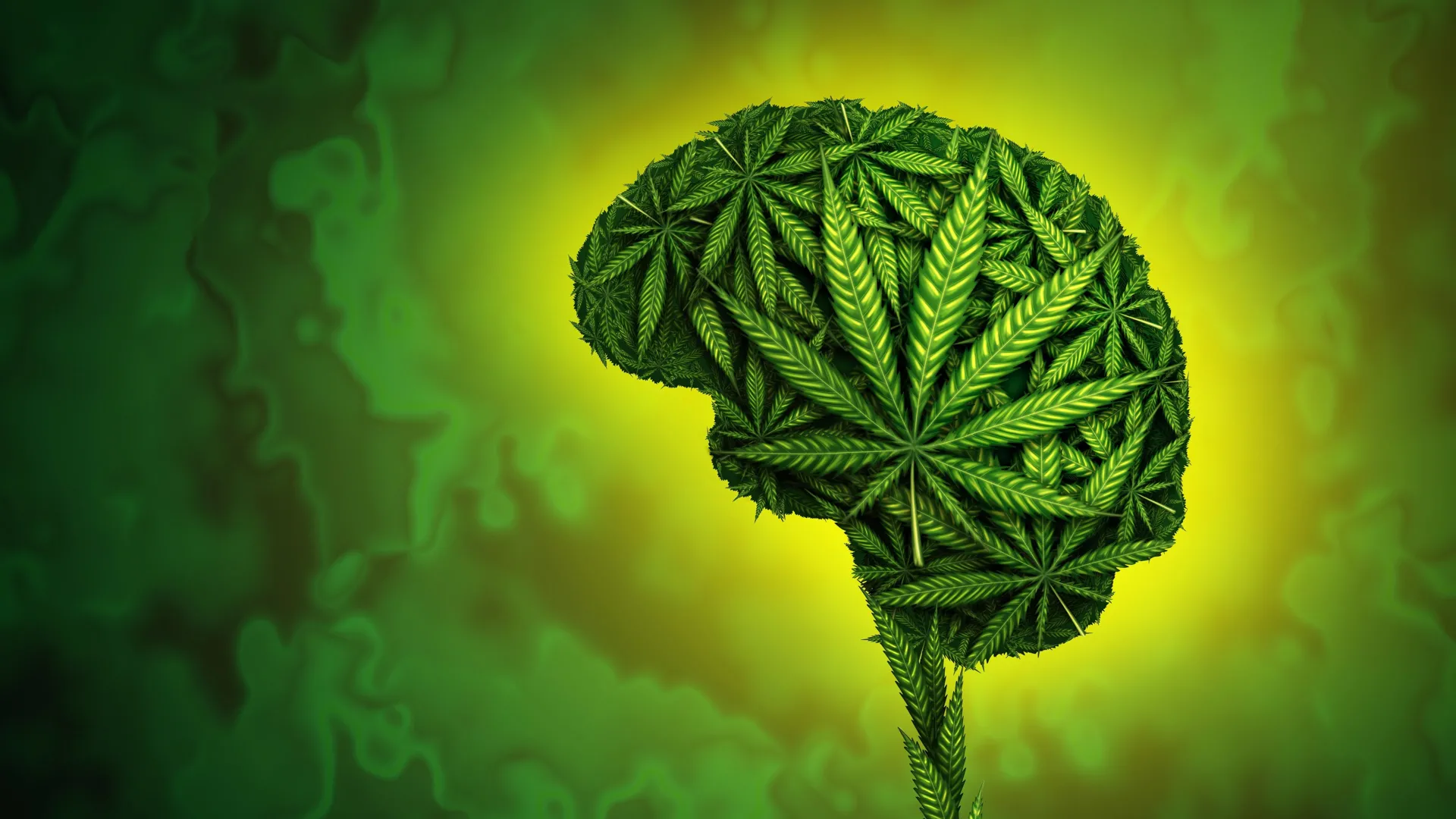
Scientists discover a hidden warning sign of cannabis addiction
A massive US survey shows people who mix smoking, vaping, edibles and dabbing are far more likely to use cannabis daily and develop addiction than those who stick to one method.
It might sound odd, but the way someone lights up, vapes, eats or dabs cannabis could actually be a clue that they’re headed toward heavier use—or even an addiction. That’s the takeaway from a fresh national study that sifted through the habits of more than 17,000 adults who had used weed in the past month.
First off, let’s set the scene. In the United States, roughly 44 percent of people aged 12 and older have tried cannabis in the last 30 days – that’s over 43 million folks. And they don’t all consume it the same way. The researchers at NYU Langone Health grouped users into four patterns: about half (48 %) mainly smoked it, 21 % both smoked and vaped, 17 % stuck to edibles, and the remaining 14 % fell into what they dubbed the “polymodal” group – basically people who dabble in almost every form available.
Here’s where it gets interesting. Daily use was most common among the polymodal crowd – roughly one‑in‑two said they used cannabis every single day. By contrast, daily use dropped to 28 % for the smokers‑only, 31 % for the smoke‑and‑vape mix, and just 13 % for the edibles‑only group.
But the biggest gap appeared when the scientists looked at cannabis use disorder, the clinical term for addiction. A staggering 67 % of the polymodal users met the diagnostic criteria, versus 47 % of the smoke‑and‑vape folks, 36 % of the smokers, and a modest 15 % of the edibles crowd.
“If someone is reaching for weed in every possible format, that’s a red flag for heavier consumption and possible addiction,” explains lead author Omar El‑Shahawy, MD, PhD, MPH. “Simply asking ‘Do you use cannabis?’ isn’t enough. We need to ask ‘How do you use it?’ and listen to the answer.”
The data came from the 2022‑2023 National Survey on Drug Use and Health, and the team used statistical clustering to tease out natural groupings of consumption habits – the first time this has been done on a national scale.
Age mattered, too. Young adults (18‑25) made up nearly a third of both the smoke‑and‑vape and the polymodal groups, but only about one‑sixth of the straight‑smokers. Meanwhile, edibles attracted more women and tended to be popular among college graduates. The study didn’t dig into why people gravitate toward certain methods, so that mystery remains for future research.
Another side note that caught the researchers’ eye: people who smoked cannabis were more likely to also smoke cigarettes. That’s probably because both involve combustion, meaning the lungs are exposed to a broader cocktail of chemicals. “That overlap is worrisome – you’re essentially double‑exposing the respiratory system,” notes senior author Joseph J. Palamar, PhD, MPH.
What does all this mean for public health messaging? Right now, most anti‑cannabis campaigns focus on smoking, but that’s only part of the story. Younger adults, who are more inclined to vape or juggle several methods, need tailored warnings about the risks of poly‑use. And for the edibles crowd, the classic “start low, go slow” mantra still applies, given the delayed onset of effects.
Going forward, the NYU team wants to explore the motivations behind each consumption pattern. Are people turning to edibles for pain relief or sleep? Are the polymodal users seeking stronger highs, or just convenience? Answering those questions could help clinicians spot problem use earlier and offer more personalized guidance.
Of course, the study isn’t without limits. It relies on self‑reported habits, which can be shaky – some folks may under‑ or over‑state how they use cannabis. Still, the sheer size of the sample gives weight to the trends uncovered.
Bottom line: the method matters. A simple question about “how do you use cannabis?” could become a handy screening tool for doctors and counselors looking to catch addiction before it spirals.
Editorial note: Nishadil may use AI assistance for news drafting and formatting. Readers can report issues from this page, and material corrections are reviewed under our editorial standards.