When the River Betrays: Ruidoso’s Wildfire‑Scarred Flood Tragedy
- Nishadil
- October 22, 2026
- 0 Comments
- 6 minutes read
- 12 Views
- Save
- Follow Topic
A town that bragged about sunshine ignored the warning signs from burned hills, and a sudden July flood claimed lives at an RV park.
After devastating 2024 wildfires turned the slopes above Ruidoso, New Mexico into ash‑laden tinder, officials downplayed the looming flash‑flood risk. In July 2025, a sudden surge of the Rio Ruidoso swept away campers, sparking grief and questions about accountability.
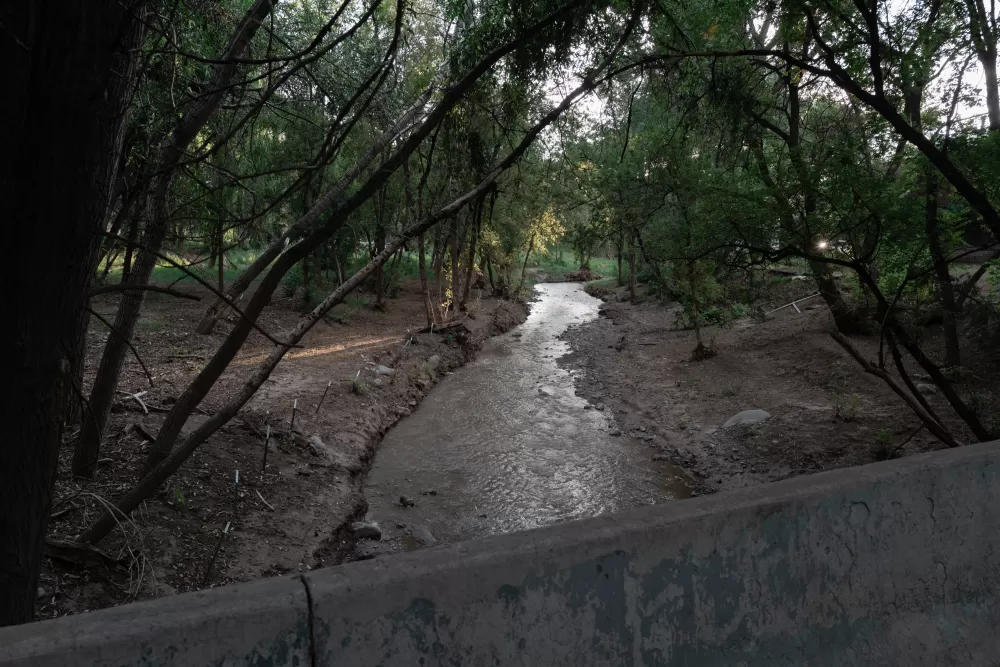
Ruidoso, New Mexico, looks the way a tourist brochure wants it to: pine‑fringed streets, a horse‑racing track that glitters in the summer sun, and a river that meanders lazily past cabins and souvenir shops. Yet beneath that postcard‑perfect veneer, the town was sitting on a tinderbox of burned‑out hills and a river that had become, as locals now whisper, untrustworthy.
In the spring of 2024, two wildfires—dubbed the South Fork and Salt fires—scorched roughly 25,000 acres of the Sacramento Mountains that loom over Ruidoso. The flames stripped away vegetation, left a charred crust on the soil, and turned the once‑spongy earth into a hard, water‑repellent surface. Imagine spilling hot wax on a carpet, letting it set, then pouring water over it; the water just slides right off. That’s basically what happened up there, only the “carpet” was a steep mountain slope and the “water” was the monsoon rains that follow each summer.
Officials knew the danger. Fire‑scars are a textbook recipe for flash floods, a fact highlighted in countless after‑action reports. Still, the village leadership kept telling visitors and residents alike that the risk was “temporary” and “under control.” Mayor Lynn Crawford—an affable, white‑haired Republican with a deep Texas drawl—went on the local radio on June 30, 2025, to chide people for “spouting” flood warnings on social media. “I don’t understand why they’re so afraid,” he said, as if fear itself were the enemy.
Behind the mayor’s calm, however, the town was scrambling. In late June, the emergency management office raised its threat level to “heightened,” noting that a bridge upstream had been washed out and that more rain was forecast. Yet the day after, the same office lowered the alert, and the communications department issued a public service announcement urging residents to ignore “fear‑based falsehoods” that were being shared online. The message felt oddly like a PR spin, not a safety directive.
Ruidoso’s economy leans heavily on tourism. The race track and casino pull in horse‑racing fans from Texas and elsewhere, especially during the July Fourth weekend, when the town’s population swells from about 10,000 permanent residents to more than 20,000. The mayor, who also manages the exclusive Ruidoso Downs Jockey Club, earns less than $26,000 a year from his mayoral duties but draws a modest income from the club, which markets private tables that can cost six figures.
All of that money, all of that bustle, seemed to be the backdrop for a family vacation that ended in tragedy. On July 6, 2025, Army helicopter pilot Sebastian Trotter, his wife Stephanie—then a nursing student—and their two children arrived at the Riverview RV Park, a popular spot perched right on the river’s edge. The Trotters, like many other visitors, saw online photos of the Rio Ruidoso looking placid, even inviting. “You could go put your toes in,” Sebastian recalled later, chuckling at the memory that now feels cruelly ironic.
That same day, the river—whose name means “noisy river” in Spanish—burst its banks. Firefighters pulled at least four people from the sudden surge, but the Trotters’ trailer was swept away. Sebastian, his wife, and their youngest child, Charlotte, were caught in the rushing water. The family’s older son, Sebastian Jr., survived by clinging to a piece of debris that later washed ashore with his brother’s body. The tragedy unfolded while the town’s council was meeting, and Mayor Crawford was presiding over the session when the flood hit.
In the aftermath, first‑responders and some residents argued that the disaster could have been averted if the town had taken the flood risk seriously and relocated homes and businesses from the vulnerable floodplain. The village had indeed floated a plan earlier in 2025 to move certain structures away from the river, but tourism interests and the desire to keep the race track operational stalled any decisive action.
Meanwhile, the state had poured $16 million into rebuilding culverts that channel the Rio Ruidoso through the race‑track’s infield after the 2024 floods. Those very culverts were meant to protect the track, but they also illustrate how public money was used to patch a problem that was fundamentally a product of climate‑linked fire‑scarred terrain.
When the dust finally settled, the town held a memorial service that felt half‑heartedly festive, as if the community needed to move on quickly to preserve its tourist reputation. The Trotter family’s loss became a cautionary tale, yet the narrative that lingered in the town hall was one of “we did everything we could.” Critics say that’s a convenient line, especially when the same officials spent months telling people not to be afraid.
Ruidoso’s story is a microcosm of a larger pattern playing out across the West: wildfires creating dead‑burned slopes, followed by monsoon rains that turn those slopes into rapid, deadly rivers. It’s a reminder that nature doesn’t care about a town’s economy or a mayor’s campaign slogan. The river that runs through Ruidoso—once a charming backdrop for summer vacations—has shown that it can’t be trusted, especially when the hills above it are still smoldering.
As the town looks ahead, the question remains: will officials finally let the risk dictate planning, or will the lure of tourist dollars keep the community dancing on the edge of a river that refuses to be tamed?
Editorial note: Nishadil may use AI assistance for news drafting and formatting. Readers can report issues from this page, and material corrections are reviewed under our editorial standards.