Varanasi’s Beloved Stick‑On Lakshmi‑Ganesh Idols Edge Closer to a Prestigious GI Tag
- Nishadil
- November 07, 2026
- 0 Comments
- 3 minutes read
- 13 Views
- Save
- Follow Topic
Traditional Banarasi Lakshmi‑Ganesh Clay Idols Near GI Recognition
Varanasi’s iconic stick‑on Lakshmi‑Ganesh idols, molded from sacred Ganga soil, are awaiting a Geographical Indication tag that could uplift local artisans and safeguard a centuries‑old craft.
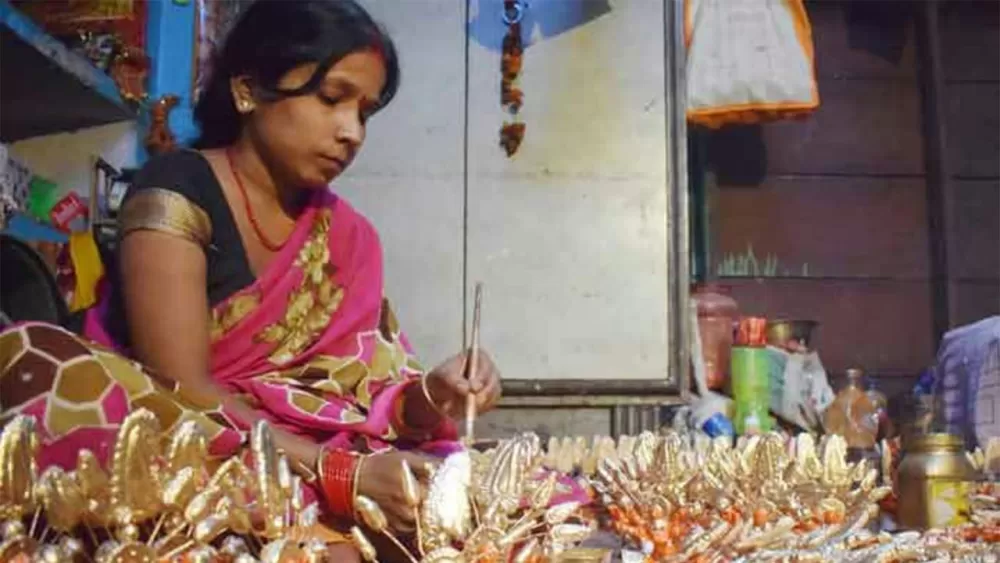
Every year, as Diwali lights begin to flicker across the ghats of Varanasi, households from the city to distant villages line their shelves with the tiny, vibrant Lakshmi‑Ganesh idols that seem to have popped straight out of the holy Ganga itself. These are not ordinary clay figures – they’re the famed stick‑on idols, hand‑shaped from the river’s silt, painted with painstaking detail, and topped with a decorative crown that literally "sticks on" like a delicate badge of devotion.
Now, after months of paperwork and a formal hearing that wrapped up just last week, the craft is on the brink of receiving a Geographical Indication (GI) tag. In plain terms, that means the Indian government would officially recognise that these idols are unique to the Banaras region, much like Champagne can only come from France. For the potters and painters who have kept the tradition alive for generations, it’s a milestone that feels both celebratory and a little surreal.
"The crowns, the hand‑painted motifs, the colour palette – they’re all part of what makes these idols special," says Dr. Rajnikant, a Padma Shri award‑winner affectionately dubbed the ‘GI Man of India’. He points out that the GI tag will do more than just add a fancy label; it promises legal protection for the craft, better market access, and hopefully, a boost in employment for the Prajapati families who have been moulding the clay in Laxmikund and nearby lanes for ages.
Beyond the economic upside, there’s a deeper cultural thread that ties these idols to history. The tradition of worshipping Lord Ganesha in Varanasi dates back to the Peshwa era, when the Maratha rulers of Maharashtra held grand Ganesh pujas on the banks of the Ganga. Public celebrations like the Brahmaghat Ganeshotsav, which started in 1898, have cemented a bond between Kashi and Maharashtra that these tiny figures embody.
Crafting an idol is a ritual in itself. First, the river clay is kneaded and shaped into a rough form. Then it’s fired in a humble, earthen kiln that still hums with the smell of smoke and sap. Once cooled, artisans pick up brushes and, with steady hands, paint each deity’s features – Lakshmi’s serene smile, Ganesh’s mischievous eyes – before attaching the signature stick‑on crown. The finished piece is a blend of spirituality and sheer manual artistry, a tangible prayer that travels from the ghats to homes across India and even to the Indian diaspora abroad.
As Diwali approaches, demand for these idols spikes dramatically. Streets of Varanasi bustle with vendors loading crates onto rickshaws, eager to meet the festive rush. If the GI tag is granted – and officials seem optimistic – the next few years could see these idols entering new markets, perhaps even appearing on export lists, while still retaining the soul of the Banarasi clay that has defined them for over a century.
Editorial note: Nishadil may use AI assistance for news drafting and formatting. Readers can report issues from this page, and material corrections are reviewed under our editorial standards.