
US Navy Ramps Up Presence Near Strait of Hormuz
- Nishadil
- April 14, 2026
- 0 Comments
- 2 minutes read
- 40 Views
- Save
- Follow Topic
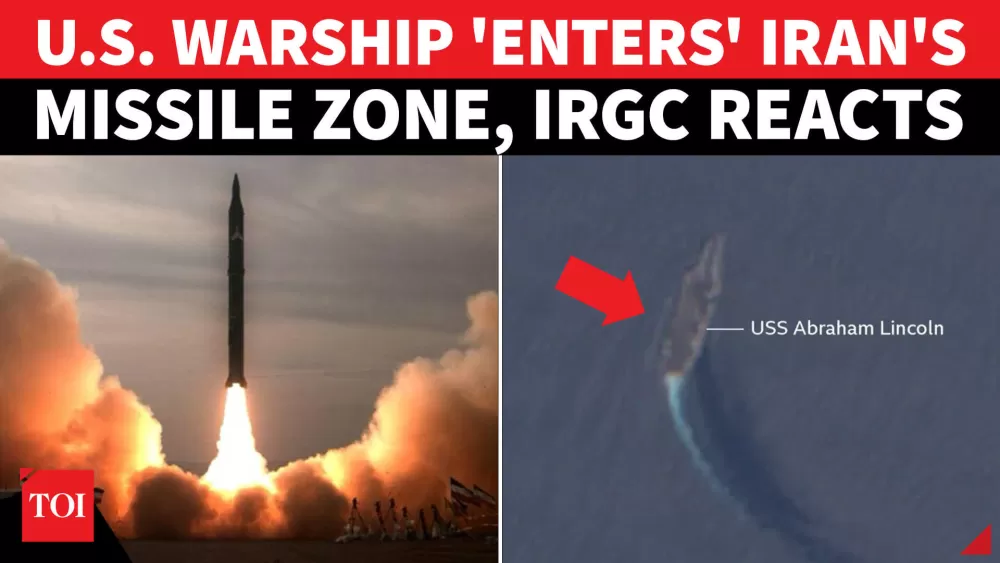
Tensions Mount: US Initiates Naval Blockade, Deploys Carrier to Critical Global Chokepoint
The United States Navy has reportedly commenced a naval blockade and dispatched a frontline aircraft carrier to the vicinity of the Strait of Hormuz, signaling a significant escalation of its military posture in this vital global waterway.
In a move that certainly captures attention across the globe, the United States Navy has reportedly begun a naval blockade near the Strait of Hormuz. This isn't just any routine deployment; it's accompanied by the significant presence of a frontline aircraft carrier, marking a pretty clear signal of escalating tensions in a region that’s always, well, on edge.
Now, for those who might not immediately grasp the full weight of this, the Strait of Hormuz isn't just a patch of water. It's an absolutely vital chokepoint, a narrow passage through which a substantial portion of the world's oil supply transits daily. Any disruption there, or even the threat of disruption, sends ripples through global energy markets and, frankly, international relations. So, when a nation like the US takes such a decisive military step in this area, everyone pays close attention.
The term "naval blockade" itself, you know, carries a certain gravity. While specifics might be a bit nuanced depending on official pronouncements, it generally implies a strategic effort to control maritime access, potentially to deter certain activities or enforce specific objectives. Coupled with the deployment of a frontline carrier group – a true symbol of power projection – it's a statement that goes beyond mere observation. It's about presence, deterrence, and a readiness to act, should the situation demand it.
This latest development isn't happening in a vacuum, of course. The Persian Gulf and its surrounding areas have a long, complex history of geopolitical friction, and the Strait of Hormuz has frequently been a flashpoint. Such robust military deployments by major global powers are almost always a response to perceived threats or shifts in regional dynamics. It leaves us all wondering, quite naturally, about the immediate catalysts for this move and what it might mean for stability in an already volatile part of the world moving forward.
It's a situation that truly underscores the delicate balance of power and the constant vigilance required in safeguarding critical international pathways. The world will be watching, waiting to see how this significant show of force unfolds and what diplomatic or strategic responses it elicits from other regional and international actors.
Editorial note: Nishadil may use AI assistance for news drafting and formatting. Readers can report issues from this page, and material corrections are reviewed under our editorial standards.


