The Billionaire Ballot: How Money, Power, and Personalities Shape the Future of American Elections
- Nishadil
- November 04, 2026
- 0 Comments
- 3 minutes read
- 21 Views
- Save
- Follow Topic
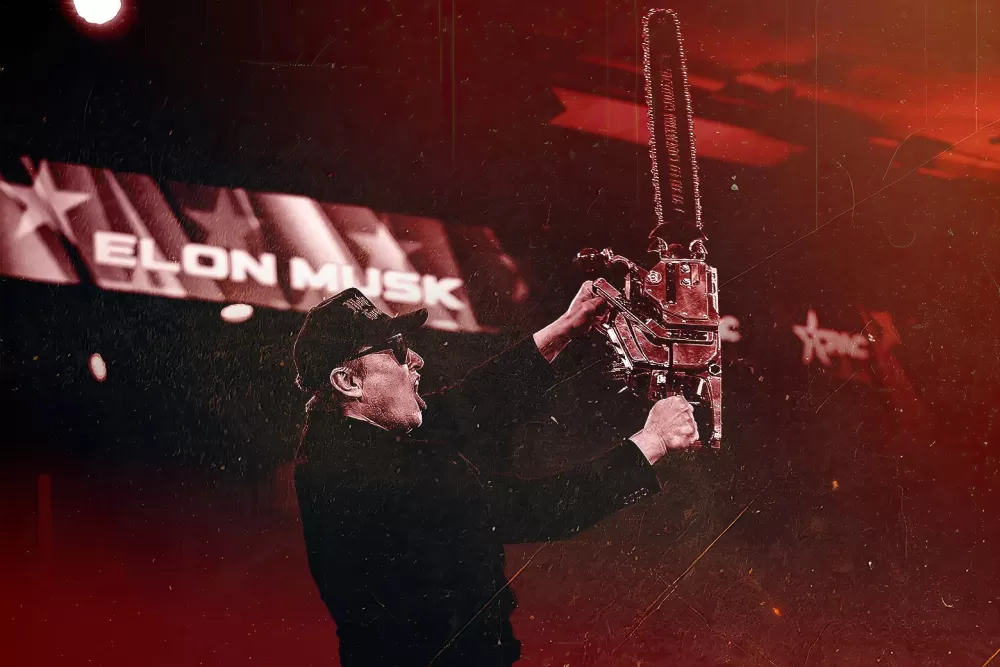
Elon Musk and the Midterms: Unpacking the High-Stakes Influence of Wealth in the 2026 Electoral Battle
As the 2026 midterm elections loom, the pervasive influence of ultra-wealthy figures like Elon Musk continues to reshape political landscapes. This article delves into how billionaires leverage their immense resources and platforms to sway public opinion and electoral outcomes in crucial Senate and House races.
There’s an undeniable hum beneath the surface of American politics, a persistent thrum of money and power that often feels more impactful than any stump speech or policy debate. As we cast our gaze towards the 2026 midterm elections, a familiar, yet ever-evolving, narrative comes sharply into focus: the increasingly prominent role of billionaires in shaping not just the discourse, but the very outcomes of crucial Senate and House races. It’s a dynamic that leaves many wondering if the voice of the average citizen can truly compete with the resounding echo of immense wealth.
Historically, wealthy donors have always played a part, of course, channeling funds through Super PACs, political action committees, and individual contributions. That's hardly new. But what feels different now, perhaps more intense, is the personal dimension. Figures like Elon Musk, for example, aren't just writing checks; they're actively, vocally, and often controversially engaging in the political arena. Their influence isn't merely financial; it's cultural, leveraging vast social media platforms and cult-like followings to amplify specific messages, candidates, or even entire ideologies. Just think about the sheer reach of a single tweet from someone like Musk, capable of sparking global conversations, or, indeed, controversies, in mere moments.
When we talk about the 2026 midterms, it’s not hard to imagine how this kind of personal, amplified influence could play out. Musk, with his ownership of X (formerly Twitter) and his famously unpredictable public statements, possesses a megaphone unlike almost any other individual. He has, at times, endorsed candidates, criticized others, and used his platform to debate everything from free speech principles to economic policy. For a politician hoping to cut through the noise, a positive mention or even a retweet from a figure of his stature could feel like a golden ticket, a sudden surge of visibility that traditional campaigns often struggle to buy. Conversely, his disapproval could be a significant hurdle, potentially swaying a segment of voters who admire his entrepreneurial spirit or share his often-libertarian leanings.
The mechanisms of this influence are multifaceted, really. It’s not just the direct financial contributions that can flood a campaign with much-needed resources, allowing for more ads, more staff, and broader outreach. It’s also about narrative control, about setting the agenda, or at least attempting to. When a prominent billionaire champions a particular issue – say, artificial intelligence regulation or specific energy policies – it inevitably gains traction, forcing other candidates and the media to engage with it. They become, in a sense, unelected thought leaders, capable of shifting public focus and framing debates in ways that benefit their preferred political outcomes or personal philosophies. And let's be honest, sometimes it feels like a very, very uneven playing field.
The potential consequences for our democratic process are, frankly, quite significant. When elections are increasingly perceived as being swayed by the whims or wealth of a few individuals, it risks eroding public trust. Voters might feel their voices are secondary, that the system is rigged, or that policy decisions are being made to serve elite interests rather than the common good. It raises profound questions about fairness, representation, and the very health of our republic. As we approach 2026, keeping a close eye on how these influential figures wield their considerable power will be paramount, because ultimately, it's about more than just who wins or loses; it's about the kind of democracy we want to live in.
Editorial note: Nishadil may use AI assistance for news drafting and formatting. Readers can report issues from this page, and material corrections are reviewed under our editorial standards.