U.S. Embassy Urges Americans to Steer Clear of French Cities Amid Widespread Riots
- Nishadil
- October 21, 2026
- 0 Comments
- 3 minutes read
- 9 Views
- Save
- Follow Topic
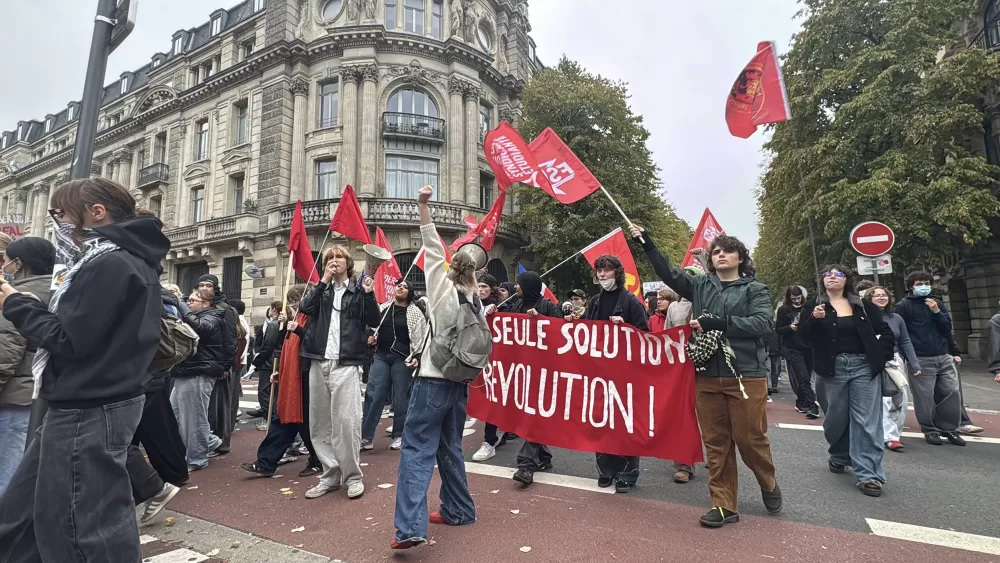
Travel warning: avoid Paris, Lyon, Lille and other French cities as riots turn violent
The U.S. Embassy in France has warned Americans to stay away from major cities after violent protests sparked curfews and travel disruptions across the country.
In a stark advisory that’s been making the rounds on social media, the U.S. Embassy in France told Americans to think twice before heading out to the streets of Paris, Lyon, Lille and a handful of other cities. The warning came after a wave of riots that erupted on Oct. 17, leaving a trail of smoke, shattered storefronts and, frankly, a sense of unease that even locals are feeling.
According to the embassy’s statement, French authorities have slapped on partial curfews in several municipalities – some starting as early as Monday night and lasting through Tuesday. The curfew zones include parts of Paris, especially the bustling squares of Place de la République, Les Halles and even the famed Place de la Bastille. The idea, officials say, is to keep the peace and give police a chance to disperse crowds without the added pressure of night‑time activity.
What sparked the unrest? A tangled mix of grievances: soaring living costs, worries about migration and a general sense of frustration that boiled over into the streets. Protesters marched, some with chants that sounded more like a rally, others turning into what witnesses described as “street battles” – tear gas, fire‑balls and a haze of acrid smoke that hung over the city like a bad night’s fog.
One Dutch entrepreneur, Tije De Boer, who was in Paris with his children, described the scene as “like a war zone.” He said he had to rush out of his hotel near Place de la République as flames licked nearby barricades. “It’s like a war zone here,” he told Reuters, a line that has since been quoted in dozens of reports.
The chaos didn’t stay confined to the capital. In Lyon, the historic Place Bellecour saw its tourism office vandalized and set ablaze, forcing staff to move operations to a temporary kiosk. Over in Bordeaux, the mayor reported that roughly a hundred shops were looted during the night’s turmoil. Even smaller towns like Limoges weren’t spared – the centuries‑old town hall was set on fire, sending shockwaves through the community.
For travelers, the practical implications are significant. While airlines have largely kept flights in and out of Paris running, the embassy warns that Metro stations may close without notice, and major thoroughfares often become impromptu protest zones. “Check with your airline, allow extra travel time and consider alternate routes,” the statement advises, urging Americans to stay abreast of local news and official updates.
Major attractions haven’t been immune either. The Louvre was forced to shut its doors on Monday after protesters blocked the main entrances, a move that left tourists staring at a line of police tape and flashing lights instead of the Mona Lisa.
All told, officials say about 2,500 people have been detained and more than a thousand police and emergency workers injured since the unrest began. The situation remains fluid, with the possibility of further curfews in parts of Paris and other prefectures.
If you’re planning a trip to France in the coming weeks, the safest bet is to stay in quieter neighborhoods, keep an eye on local media, and perhaps reconsider any must‑see spots that have turned into flashpoints for protest. As the embassy puts it, “monitor media and local resources for updated information and curfews in your area.”
Editorial note: Nishadil may use AI assistance for news drafting and formatting. Readers can report issues from this page, and material corrections are reviewed under our editorial standards.