Tuscaloosa Unveils $1.4 Million Linton’s Barbershop Plaza Honoring a Civil‑Rights Pioneer
- Nishadil
- October 22, 2026
- 0 Comments
- 2 minutes read
- 9 Views
- Save
- Follow Topic
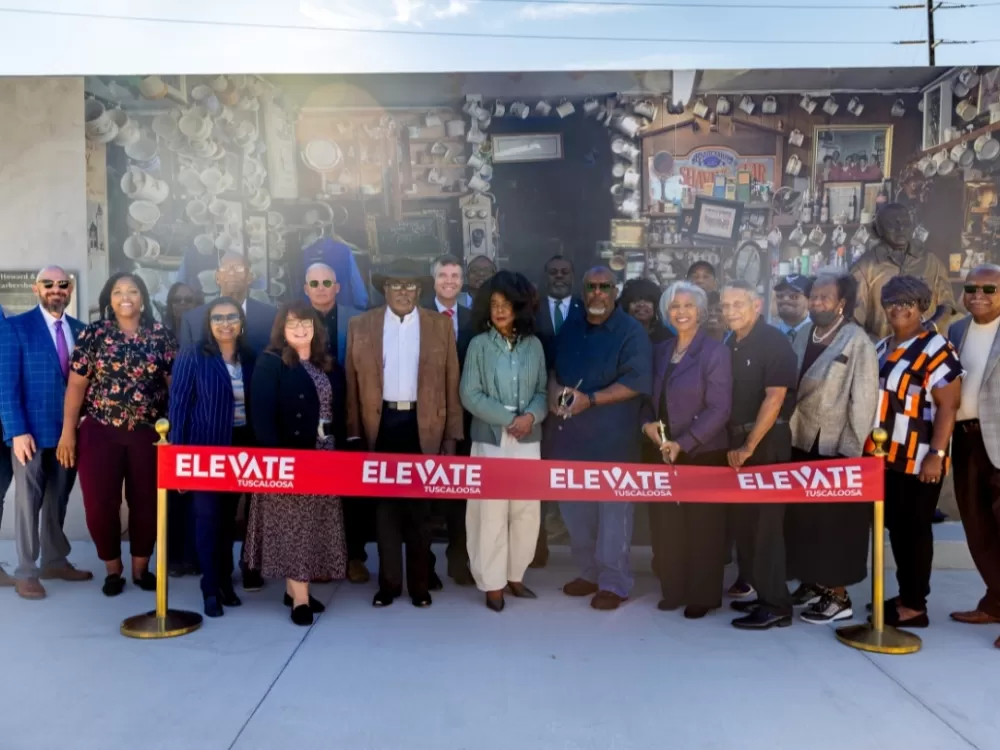
City opens plaza commemorating Rev. Thomas Linton’s lifelong work preserving Tuscaloosa’s civil‑rights legacy
A $1.4 million plaza at the former site of Linton’s Barbershop now stands as a public tribute to Rev. Thomas Linton, featuring art, historic panels and a timeline of the city’s fight for equality.
On a bright Wednesday morning, Tuscaloosa’s downtown buzzed with a mix of solemn reverence and quiet celebration as the city lifted the ribbon on the brand‑new Linton’s Barbershop Plaza. The $1.4 million project, born out of the Elevate Tuscaloosa initiative, transformed the modest lot at 1305 T.Y. Rogers Jr. Avenue—once the bustling hub of Rev. Thomas Linton’s barbershop—into a thoughtfully designed public space.
Mayor Walt Maddox, District 7 Councilor Joe Eatmon, and Tim Lewis, co‑president of the Tuscaloosa Civil Rights History & Reconciliation Foundation, addressed the crowd. “Too often we let the past slip away,” Maddox said, pausing to let the words settle. “By honoring Rev. Linton, we’re saying the lessons of the civil‑rights era still matter today.”
Rev. Linton, a former pastor turned historian, spent the last forty years painstakingly preserving photographs, documents and personal testimonies from Tuscaloosa’s turbulent 1960s. His barbershop, tucked away on Rogers Avenue, became an unofficial museum where schoolchildren and curious visitors could glimpse the gritty reality of Bloody Tuesday and the city’s broader struggle for racial justice.
When the Linton family sold the property to the city, they insisted that the site remain a beacon of remembrance. They also entrusted the vast collection of artifacts to the local foundation, ensuring the items would stay accessible to the public. “This plaza gives future generations a place to gather, reflect, and keep those conversations alive,” Eatmon noted.
Artists and designers were invited to translate that history into tangible form. Local sculptor Caleb O’Connor crafted an installation that mirrors the façade of the original barbershop, complete with a relief portrait of Rev. Linton. Surrounding the sculpture, interpretive panels chart key milestones—from the 1964 Selma marches to Tuscaloosa’s own Freedom Summer—while a winding walkway showcases a chronological timeline of events.
Construction began in early 2025 and, after months of work, the plaza now invites residents to sit, contemplate, and learn. “This is just step one,” Lewis explained, eyes bright with optimism. “We envision a larger narrative space where Linton’s collections are displayed, where stories are told, and where the spirit of activism continues to inspire.”
The unveiling not only marks a physical transformation of a city block but also underscores Tuscaloosa’s commitment to confronting its past head‑on. As visitors stroll the new plaza, the hope is that the echoes of past struggles will reverberate into tomorrow’s conversations, keeping the city’s civil‑rights heritage vibrant and alive.
Editorial note: Nishadil may use AI assistance for news drafting and formatting. Readers can report issues from this page, and material corrections are reviewed under our editorial standards.