Trump Elevates Natalie Harp to Gatekeeper of His Phone
- Nishadil
- November 06, 2026
- 0 Comments
- 3 minutes read
- 11 Views
- Save
- Follow Topic
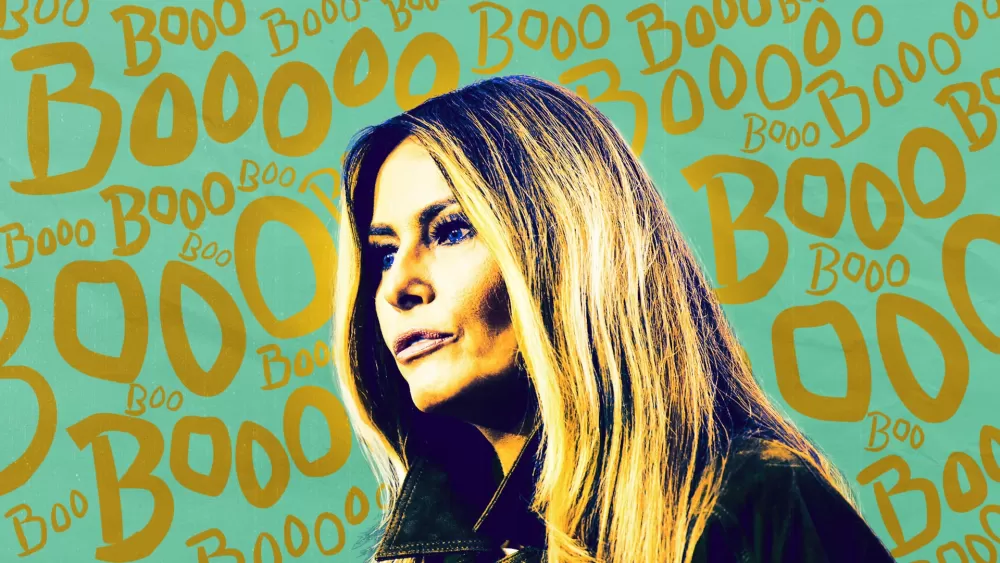
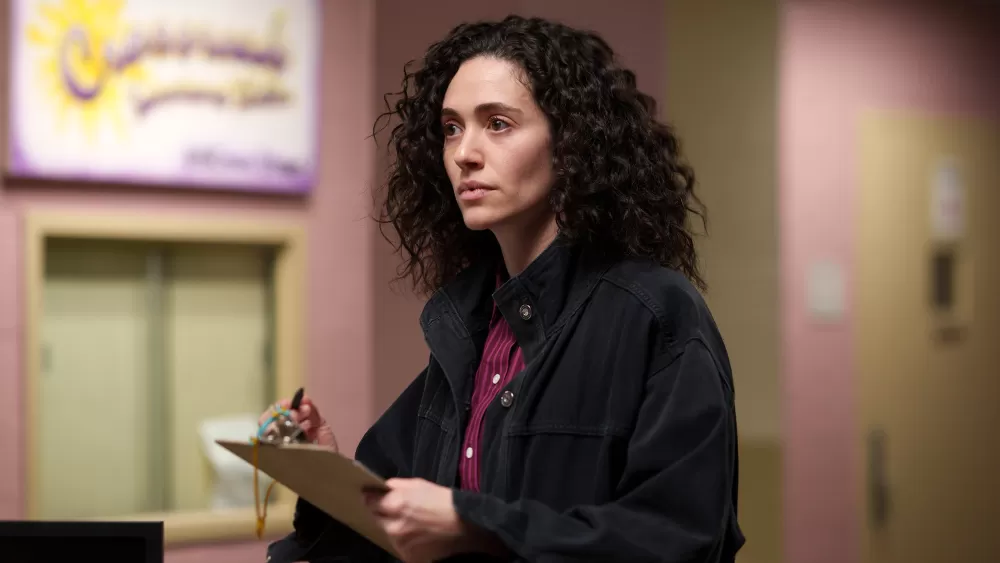
The president’s long‑time aide now screens every call, turning a personal relationship into a tight‑knit security layer
Washington insiders say Natalie Harp, 35, has been handed the job of deciding who gets to talk to Donald Trump on his personal cell, a role that goes beyond her usual assistant duties.
When you picture Donald Trump’s inner circle, you probably imagine a swirl of advisors, lobbyists and a few loyal staffers who grin at the same jokes over endless lunches. One name that keeps popping up, however, is Natalie Harp – the 35‑year‑old executive assistant who’s been described as the president’s most enthusiastic cheerleader.
Harp has long been the one printing out flattering news clippings, forwarding glowing social‑media posts, and — just as importantly — keeping the more critical pieces out of Trump’s sight. In other words, she’s been the unofficial filter for his daily inbox. But according to sources on the Hill, her responsibilities have just taken a dramatic turn.
Earlier this week, Trump reportedly asked Harp to sit in on his personal phone. The result? She now decides, on a call‑by‑call basis, who actually gets to speak with the former president. In practice, that means when a journalist dials the number that’s technically “public,” a calm voice on the other end asks, “Who’s calling?” before either handing the handset to Trump or politely declining.
It’s a small change that feels massive. The president’s personal cell has always been something of an open secret in D.C. Reporters have, for years, tried their luck by calling at odd hours, often getting a quick, sometimes brusque, reply. Now, a new layer of protection — or perhaps just a new protocol — sits between the press and the man who loves being “the most accessible” president.
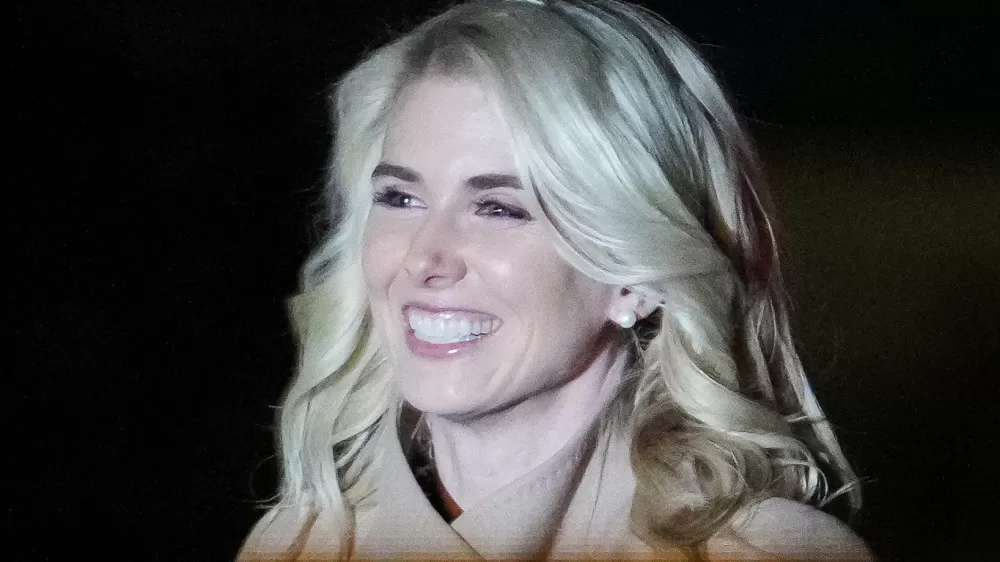
One vivid example unfolded on election night. Politico’s Dasha Burns, who’s chatted with Trump on multiple occasions, tried to reach him live on air. After a brief pause, a woman’s voice identified herself, asked for the caller’s name, and then handed the phone to Trump, who greeted Burns with a surprised “Hey, Dasha.” The voice, many believe, was Harp. Other reporters have reported similar experiences: the call is answered, screened, and either passed through or blocked depending on who’s on the other end.
Insiders say the shift started in earnest after the midterm “horror show,” when Trump’s temper seemed to flare more often. Harp, who already works just a few steps from the Oval Office, apparently took it upon herself — or was instructed — to guard the president’s mental space by controlling the flow of inbound calls.
It’s a role that feels almost personal, in the sense that it’s not just about policy or protocol; it’s about protecting the president’s mood. “He’s thin‑skinned,” one source whispered, “and Natalie knows exactly what triggers a meltdown.” That line, while perhaps a touch dramatic, captures why this appointment matters beyond the usual staffing shuffle.
The White House declined to comment on the specifics, citing standard communication policies. Yet the fact that a single aide now filters every inbound call tells a story about how Trump runs his day‑to‑day life: close, controlled, and surrounded by people he trusts implicitly.
Whether you see this as a sensible safeguard or a symptom of an administration that views the press as an adversary, one thing is clear: Natalie Harp has moved from behind‑the‑scenes note‑taker to the very gatekeeper of Trump’s most direct line of contact.
Editorial note: Nishadil may use AI assistance for news drafting and formatting. Readers can report issues from this page, and material corrections are reviewed under our editorial standards.