Transform Your Kitchen Scraps into Garden Gold: A Guide to Home Composting
- Nishadil
- October 18, 2026
- 0 Comments
- 5 minutes read
- 5 Views
- Save
- Follow Topic
From Peels to Power: Unlocking Your Garden's Potential with Everyday Kitchen Waste
Don't toss those potato and banana peels! Discover how simple kitchen waste can become a powerful, natural fertilizer for your plants, enriching soil and reducing waste. Learn the do's and don'ts of home composting.
Ever found yourself staring at a pile of vegetable peels after dinner, wondering if there’s a better fate for them than the bin? Good news! Those very scraps you’re about to toss are actually a secret weapon for your home garden. Imagine turning what seems like mere kitchen waste into rich, life-giving food for your plants. It’s not just wishful thinking; it’s entirely possible, and frankly, quite simple once you get the hang of it.
Here's the thing, though: while the idea of enriching your garden with kitchen scraps is fantastic, you can’t just bury raw potato peels or banana skins directly into your potted plants and call it a day. Doing so, I'm afraid, often leads to a whole host of unwanted guests – think pests and mold – and a very slow decomposition process that isn't helping anyone. The real magic happens through composting, a process that transforms these scraps into something truly extraordinary: mature compost.
So, what kind of kitchen bits are we talking about? Think about your everyday cooking: potato peels, carrot tops, those papery onion skins (more on those in a moment!), and certainly banana peels. Each of these contributes organic matter and a host of nutrients, with banana peels, in particular, being little potassium powerhouses. These aren't just scraps; they're future plant food!
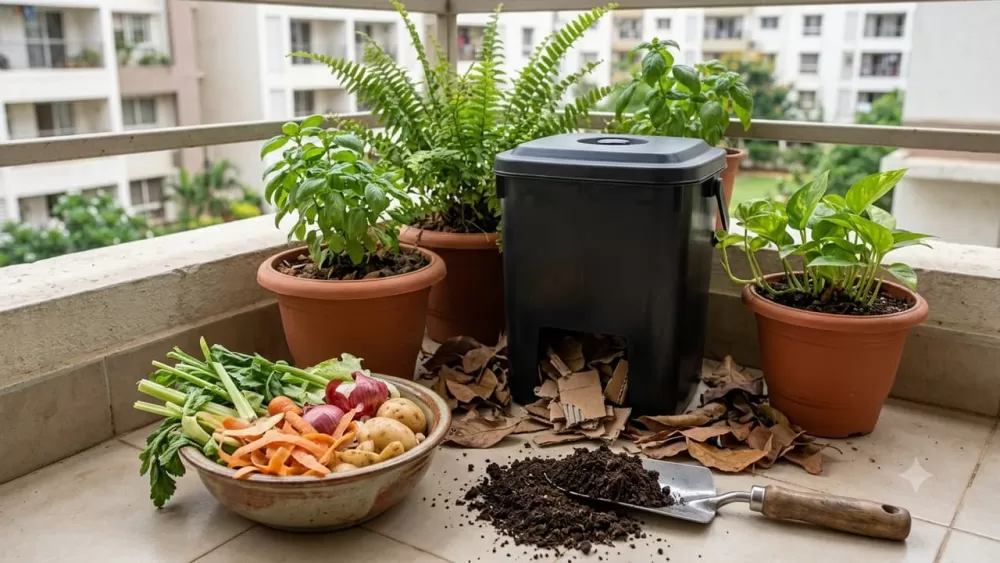
Getting started with composting is actually quite forgiving. A key step, which really speeds things along, is to chop your scraps into smaller pieces. The smaller they are, the quicker they'll break down into that lovely, crumbly compost. Your compost pile, whether it's a small bin on a balcony or a larger heap in the garden, needs a balanced diet of its own. You'll want a mix of "greens" – that's your moist, nitrogen-rich kitchen waste – and "browns," which are dry, carbon-rich materials like dried leaves, shredded newspaper, or even torn-up cardboard.
Think of your compost pile like a living organism; it needs to breathe and stay hydrated. Keep it damp, much like a sponge that's been thoroughly wrung out – not soaking wet, but definitely moist. And don't forget to turn it regularly! This aeration is crucial for the helpful microorganisms that do all the hard work of decomposition. When your compost is ready, you'll know it: it'll be dark, crumbly, and smell wonderfully earthy, like fresh soil after a rain. That's your garden gold!
A quick note on those onion skins: they're absolutely fine for the compost, but it’s best to mix them in thoroughly rather than letting them form a dry, impenetrable layer. And if you're ever looking for a super effective compost mixture, try combining those dry leaves you've raked up with your fresh vegetable scraps. It's a match made in gardening heaven! Once mature, this incredible compost can be mixed into your potting soil, adding organic matter, improving the soil's structure, and boosting its ability to retain moisture. Your plants will truly thank you for it.
Even if you live in an apartment with just a balcony, don't think composting is out of reach. Small-scale kitchen composting systems are incredibly effective and can be managed beautifully in confined spaces. The trick is simply knowing what to put in and, perhaps more importantly, what to leave out.
Now, for the really important part: what not to add. To prevent unpleasant odors and steer clear of attracting pests, please avoid throwing in meat, dairy products, oily foods, or any heavily seasoned leftovers into your basic home compost bin. Also, a big no-no is burying large quantities of fresh peels directly in pots; it just doesn't work well and attracts trouble. Steer clear of diseased or moldy scraps unless you have a very robust composting system, and don't rely solely on "peel water" as a complete fertilizer – its nutrient content is just too unpredictable. Finally, always keep your compost covered and managed to avoid pest issues and smells, and remember, fresh kitchen scraps are not a substitute for fully mature compost. Patience, as they say, is a virtue, especially in the garden!
So, next time you're peeling potatoes or enjoying a banana, remember you're holding potential treasure for your garden. With a little effort and understanding, you can transform your kitchen waste into a vibrant, thriving ecosystem right at home, all while doing your part for a more sustainable planet. Happy composting!
Editorial note: Nishadil may use AI assistance for news drafting and formatting. Readers can report issues from this page, and material corrections are reviewed under our editorial standards.