Tragedy in the Himalayas: Nepal Floods Claim Nearly 1,400 Lives
- Nishadil
- September 16, 2026
- 0 Comments
- 2 minutes read
- 7 Views
- Save
- Follow Topic

Death toll from Nepal’s flash floods climbs to 1,399 as rescue teams scour mountains for the missing
A massive ice‑rock avalanche triggered devastating flash floods across eight districts, leaving 1,399 dead and over 5,000 still unaccounted for.
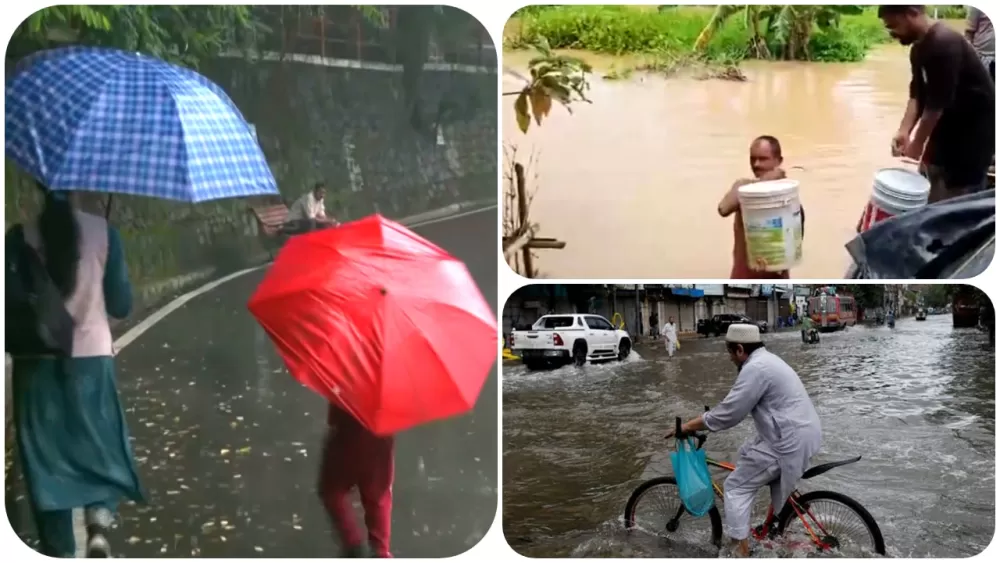
On August 26, a sudden ice‑rock avalanche near the Nepal‑Tibet border unleashed a wall of water that swept through the rugged terrain of northern and central Nepal. The torrent turned villages into rivers of mud and debris, and the devastation has only deepened with each passing day.
By Tuesday, September 15, officials confirmed that the death toll had risen to 1,399. The grim tally includes 364 bodies recovered in Chitwan, 232 in Nawalparasi East, 222 in Nawalparasi West and 202 in Nuwakot. Smaller yet heartbreaking numbers came from Rasuwa (189), Gorkha (78), Dhading (72) and Tanahun (38). Two more victims succumbed to injuries while receiving treatment in Kathmandu.
The National Disaster Risk Reduction and Management Authority (NDRRMA) says the hunt for the missing is far from over. Roughly 5,170 people are still unaccounted for, a figure that weighs heavily on families who cling to hope amid the rubble.
Rescue crews, backed by joint security commands, have managed to pull 13,742 survivors to safety so far. Their work is relentless – moving through landslides, navigating swollen rivers, and braving the chill of high‑altitude weather to reach those trapped in the debris.
International aid has begun to trickle in. India, for instance, has fast‑tracked electricity exports to help power Nepal’s emergency shelters and medical facilities, a small but vital lifeline in these dark hours.
While the numbers are stark, the human stories behind them are what truly sting. Families have lost elders who were the keepers of tradition, children whose futures were snuffed out before they could begin, and neighbors whose homes were reduced to piles of mud. Yet, amid the sorrow, acts of bravery surface – a farmer who risked his own life to pull a child from a collapsed roof, a nurse staying beyond her shift to tend to flood‑injured patients.
The road to recovery will be long. Rebuilding homes, restoring roads, and reviving agriculture in the affected districts will require months, perhaps years, of coordinated effort. For now, the nation mourns, the world watches, and the rescue teams keep pressing forward, determined to bring every last survivor home.
Editorial note: Nishadil may use AI assistance for news drafting and formatting. Readers can report issues from this page, and material corrections are reviewed under our editorial standards.