India Secures Two Seats on the World’s 50 Best Restaurants 2026
- Nishadil
- November 08, 2026
- 0 Comments
- 3 minutes read
- 9 Views
- Save
- Follow Topic
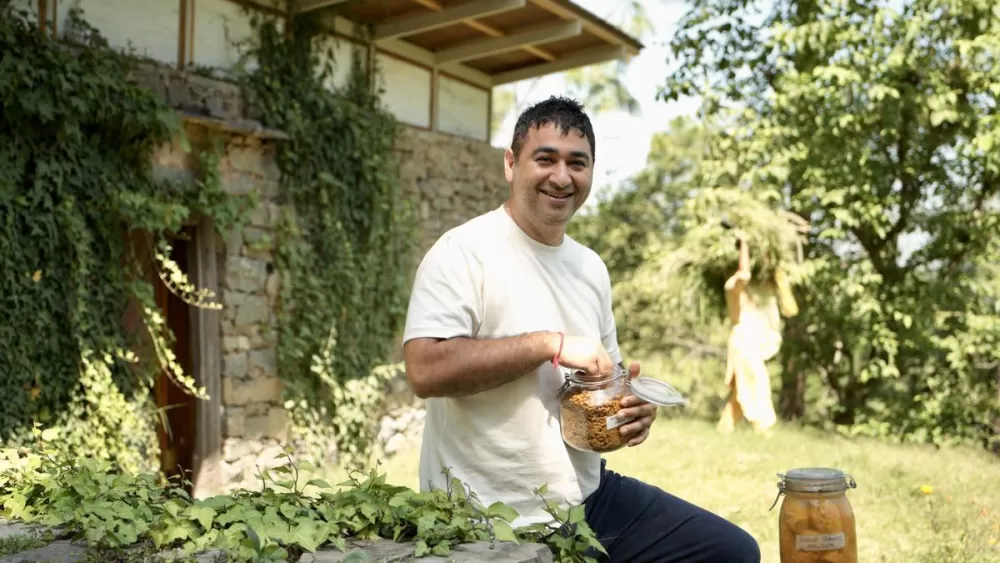
Masque in Mumbai and Naar in Kasauli break into the prestigious global list
For the first time, two Indian eateries have entered the World’s 50 Best Restaurants – Masque at #26 and the newly‑opened Naar at #41 – highlighting a shift toward regional, ingredient‑driven cuisine.
When the World’s 50 Best Restaurants 2026 list was unveiled in Lima, Peru, the top spot went not to a sleek New York loft or a Parisian palace, but to Asador Etxebarri, a modest wood‑fire kitchen tucked in the Basque valleys. Chef Victor Arguinzoniz, who grew up watching his mother and grandmother tend a hearth, turned fire‑kissed dishes into an art form, and after more than a decade of hovering on the list, he finally clinched the crown.
Amid the celebrated names from Santiago, Skillinge, Cartagena, Quito and Hangzhou, two newcomers from India caused a quiet stir. Masque, the ten‑course tasting‑room in Mumbai, landed at number 26, while Naar, Prateek Sadhu’s forest‑inspired venture in the hills of Kasauli, debuted at number 41. It’s a first‑time appearance for both, and it feels like a sign that the global palate is gravitating toward authenticity and terroir.
Masque, founded in 2016 by Aditi Dugar and helmed by chef Varun Totlani, is a celebration of India’s geographic bounty. One plate might present a duck kebab sausage wrapped in roomali roti, scented with Kashmiri chilies; another could feature lobster tossed with Goan‑style chorizo, all set against a backdrop of sea‑buckthorn from Ladakh. The ten‑course menu evolves with the seasons, making each visit a fresh exploration of flavors that most diners never encounter on a typical Indian menu.
Meanwhile, Naar embraces the rugged charm of the Himalayas. Sadhu, who previously made his mark in Delhi’s fine‑dining scene, chose the mist‑shrouded town of Kasauli as his canvas. The restaurant’s philosophy mirrors that of Asador Etxebarri – let fire do the talking. From charred beef chops to anchovies perched on toast, from red Palamós prawns to house‑made chorizo, every dish is cooked over an open flame, extracting smoky nuances that feel both primal and refined.
These two entries signal more than just national pride; they illustrate a broader trend. The 2026 list is less about haute cuisine in glittering city hotels and more about chefs who listen to the land, the sea and the fire. Real, unpretentious food is winning accolades, and Indian chefs are proving they can play that game on the world stage.
Other highlights from the list include a sushi haven in Tokyo, a Peruvian ceviche bar in Lima, and a modest bistro in Hangzhou that’s redefining Chinese comfort food. The geographical spread is astonishing, underscoring how culinary influence is no longer confined to Europe or North America.
For Indian diners, the news is cause for celebration. It validates years of experimentation, regional sourcing and a willingness to push beyond the familiar biryani and tandoor narratives. Whether you’re sipping a deconstructed mango lassi at Masque or watching a shish kebab sizzle over a stone fire at Naar, you’re part of a movement that’s reshaping what fine dining means worldwide.
Editorial note: Nishadil may use AI assistance for news drafting and formatting. Readers can report issues from this page, and material corrections are reviewed under our editorial standards.