Hip Pain? What a Surgeon Would Never Do (And Why It Matters)
- Nishadil
- November 08, 2026
- 0 Comments
- 3 minutes read
- 9 Views
- Save
- Follow Topic
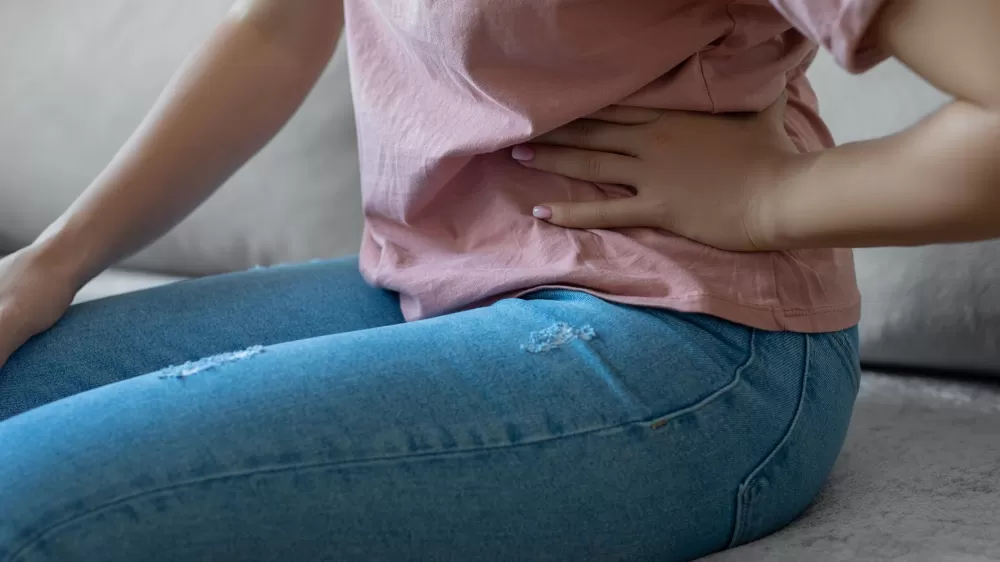
I’m a Hip Surgeon—Here’s the One Thing I’d Never Do If I Felt Hip Pain
A board‑certified hip surgeon explains why ignoring hip pain can lead to arthritis, how to spot warning signs, and simple moves that help protect your joints.
So you’ve started to notice a twinge when you sit down for a movie, or maybe the drive home feels like a slow‑motion wobble. It’s easy to brush it off as “just getting older,” especially when you hear stories about hip replacements on the news. But, as a hip‑specialist, I’ve learned there’s one habit you should absolutely ditch the moment you feel that ache.
First off, don’t wait.
If the discomfort lingers beyond a week or two, schedule a visit with a doctor. I’ve seen countless patients—young athletes, busy parents, retirees—who tell me they can’t sit in a car for more than thirty minutes without a sharp reminder in their hip. That isn’t “normal,” and it usually points to something treatable.
Why the urgency? Many hip issues, like labral tears, develop silently. A labral tear is a small tear in the cartilage that deepens the socket of your hip joint. It often occurs without a dramatic injury—think of it as a quiet wear‑and‑tear you might not even notice until the pain shows up. Studies from Denmark and other 2023 research found that people with this kind of impingement are up to 26 times more likely to develop osteoarthritis within a decade.
So what does that look like in everyday life? Imagine you’re trying to put on a sock, or you have to shuffle your feet a little extra just to stand up from a chair. Maybe you’ve started taking the longer route around the kitchen because squatting feels like a bad idea. Those subtle clues are your body’s way of saying, “Hey, something’s off down here.”
One quick, low‑tech test you can try at home is a simple leg‑pull. Lie on your back, grab the front of one knee, and gently pull it toward your chest. Snap a photo of how close the knee gets. Do the same on the opposite side. A noticeable difference usually means more than tight muscles—it could be a sign of a hip joint problem.
Once you’ve seen a professional and got a diagnosis, the next step is rehab, not just rest. Strengthening the muscles that surround the hip—especially the glutes, hamstrings, and core—takes a lot of pressure off the joint itself. Body‑weight squats, hamstring stretches (like reaching for your toes), and a solid ab routine can work wonders. Yoga, Pilates, or even a few minutes of dedicated hip‑flexor stretches each day help keep the joint mobile and the surrounding tissue supple.
Don’t forget about your back either. Hip and lower‑back pain are practically twins; improving back strength often translates to less strain on the hip. Think of it as a peanut‑butter‑and‑jelly partnership—one supports the other.
Finally, be mindful of how you sit. If your chair forces your hips into a deep flexion (knees higher than your waist), try raising the seat a bit or placing a cushion under you. Small ergonomic tweaks can prevent you from forcing the joint into uncomfortable angles for hours on end.
Bottom line: ignore the pain at your own peril, but also know that with early intervention, targeted exercise, and a little bit of body‑awareness, many hip problems can be managed without rushing to the operating table. Your hips will thank you for the attention.
Editorial note: Nishadil may use AI assistance for news drafting and formatting. Readers can report issues from this page, and material corrections are reviewed under our editorial standards.