Odisha’s Diwali: When Light Becomes a Path for Ancestral Souls
- Nishadil
- November 08, 2026
- 0 Comments
- 3 minutes read
- 0 Views
- Save
- Follow Topic
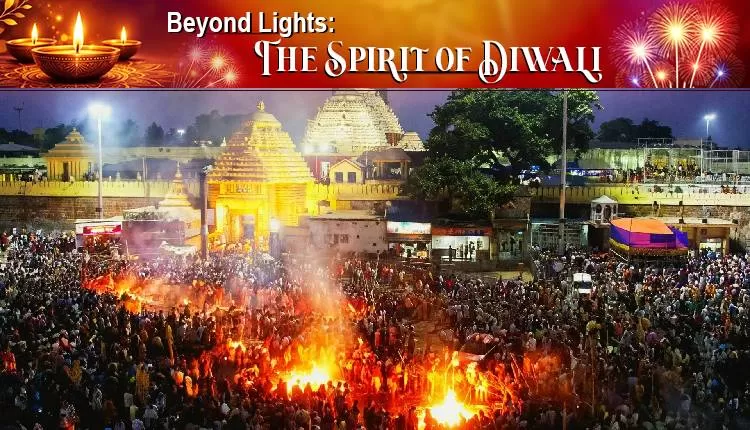
In the coastal heart of Odisha, Diwali’s glow does more than chase darkness – it beckons forebears back to the heavens.
Unlike the typical Indian Diwali, Odisha’s celebration lights the sky to guide ancestors home, weaving ancient sailor tales, jagannath devotion, and jute‑torch prayers into a night of reverence.
Diwali – the name itself comes from the Sanskrit deepa (light) and avali (row) – and across most of India the festival looks like a galaxy spilled onto earth. Streets sparkle, windows glitter, and the scent of fried sweets hangs in the air. Yet, if you wander to the eastern shoreline of Odisha on the night of Kartika Amavasya, you’ll discover a different kind of sparkle – one that’s meant to show the way for souls that have already left.
The story rolls back to about 350 B.C., when the Sadhabas – bold merchant‑mariners of ancient Kalinga – would return from voyages to Bali, Java and Sumatra laden with gold, spices and tales of distant seas. As their ships slipped into the harbor, locals would line the coastline with earthen diyas, not merely to celebrate wealth but, according to folklore, to keep the swarms of winter insects at bay. Over centuries that simple gesture grew into a ritual that now carries a weightier purpose.
On the eve of Diwali, Odias begin the day by scrubbing courtyards and drawing intricate rangolis shaped like the Boita – the old sailboats that once carried the Sadhabas home. The designs are more than decorative; they echo the jagannath tradition, reminding families that remembering ancestors is a pathway to the deity’s blessings.
As twilight deepens, the real ceremony kicks off. An earthen pot, fitted with a bright diya, is hoisted atop a tall pole – the Akash Deepa. This beacon is meant to pierce the night, acting as a lighthouse for departed loved ones. Then each family member picks up a bundle of Kaunria Kathi – slender jute sticks – lights the tip from the central diya and lifts the torches sky‑ward while chanting a heartfelt mantra:
“Bada Badua ho, andhaara re aasa, aalua re ja, Mahaprasad khai, Baisi Pahacha re gada gadua tha.”
The words translate loosely to an invitation: “O ancestors, come into this darkness, walk into this light, feast on Mahaprasad and find salvation on the twenty‑two steps of Puri.” It’s a moment that feels both solemn and hopeful, as if the flickering jute flames are tiny ladders guiding spirits back to heaven.
Only after the ancestral prayers are offered does the typical Diwali revelry begin – fireworks crackle, sweets are shared, and houses gleam with countless lamps. Yet the lingering image of those jute torches, swaying against the night, remains the heart of Odisha’s Diwali, a reminder that light is not just for celebration but also for remembrance.
For anyone visiting Odisha during this season, the experience is unforgettable. It’s a night where history, mythology, and familial love converge, turning a familiar festival into a uniquely moving tribute to those who came before.
Editorial note: Nishadil may use AI assistance for news drafting and formatting. Readers can report issues from this page, and material corrections are reviewed under our editorial standards.