The Namibian Cricket Conundrum: Co-Hosts, Yet Not Qualified for 2027 World Cup
- Nishadil
- October 02, 2026
- 0 Comments
- 4 minutes read
- 9 Views
- Save
- Follow Topic
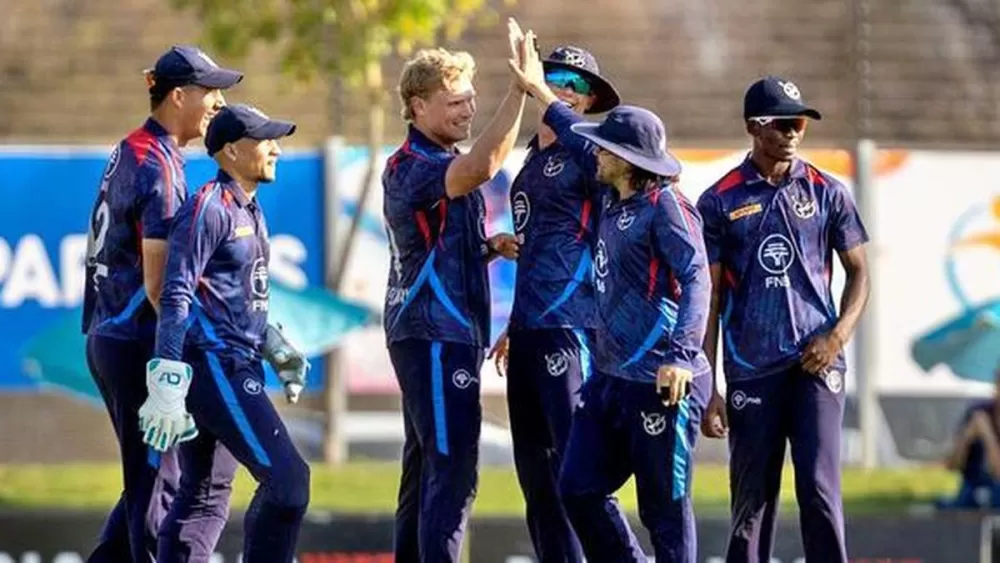
The Host Nation's Hurdle: Why Namibia Must Still Battle for a 2027 Cricket World Cup Spot
Despite co-hosting the 2027 ICC Men's ODI World Cup, Namibia, an Associate member, faces a complex and challenging qualification pathway, highlighting a contentious rule for emerging cricket nations.
Imagine hosting one of the biggest sporting events on the planet, pouring your heart and soul into preparations, only to find you still have to fight tooth and nail just to participate. That, my friends, is the somewhat bittersweet reality facing Namibia as they gear up to co-host the ICC Men's ODI World Cup in 2027.
The grand tournament, slated to run from October 4 to November 21, 2027, will see 14 teams vying for glory across South Africa, Zimbabwe, and yes, Namibia. Windhoek, in particular, is set to be a bustling hub, hosting six crucial matches, including some thrilling Super Series games and group-stage encounters like England versus Bangladesh. You'd think, given their co-hosting status, that Namibia would be a shoe-in, right? Well, not quite. The rules, as they stand, paint a much more intricate picture.
Here’s the thing: While South Africa and Zimbabwe, as full member nations, automatically secure their spots by virtue of being hosts, Namibia, an Associate member, doesn't get that same luxury. This distinction means they, along with other Associate hopefuls, must embark on a rather complex qualification journey to earn their place amongst the world's cricketing elite. It's a bit of a historical echo, too; back in 2003 when the World Cup was also in Africa, Kenya, then with full ODI status, qualified automatically, but Namibia had to earn their berth through a separate tournament, the 2001 ICC Trophy. Some things, it seems, remain consistently challenging for the sport's developing nations.
So, what does this qualification path actually look like for the Namibian Eagles? It’s a multi-layered affair, starting with the Cricket World Cup League 2. As of October 2026, Namibia found themselves ranked fifth in this league. To sidestep the earliest, most precarious stages, they really need to climb into the top four of League 2, which would send them directly to the World Cup Qualifier. If they fall below that, finishing fifth or lower, it's off to the Qualifier Play-off, an additional hurdle before the main Qualifier tournament. They've got three crucial League 2 matches remaining in October 2026 to make their move – talk about high stakes!
Assuming they navigate League 2 successfully (or even through the Play-off), the next major stop is the 2027 Cricket World Cup Qualifier. This vital tournament, co-hosted by Namibia and South Africa from February 26 to March 21, 2027, will feature ten teams battling it out for just four World Cup berths. These ten teams will comprise the 9th and 10th ranked ODI teams (excluding hosts) from the ICC rankings, the top four from Cricket World Cup League 2, and the top four from the Qualifier Play-off. It’s a veritable gauntlet.
And it gets even more dramatic: only the winner of this Qualifier tournament earns a direct ticket to the 2027 World Cup group stage. The teams finishing second, third, and fourth? They'll have one last, nail-biting chance in a special Super Series held right there in Windhoek. Only the winner of that series will snag the final World Cup spot. Can you imagine the pressure? It’s a qualification process that certainly doesn't pull any punches.
Unsurprisingly, this altered and rather convoluted format for the 2027 ODI World Cup has ruffled feathers among associate nations. Scott Edwards, the captain of the Netherlands, openly expressed his disappointment, noting how these changes have upended years of strategic planning for teams like theirs. There's a genuine worry about the significant financial and logistical burden on these countries, forcing them to travel all the way to southern Africa, potentially for just two matches, if they don't advance. For a nation like Namibia, already putting in the effort to host, having to jump through so many hoops just to play in their own backyard feels particularly challenging. It truly underscores the uphill battle faced by aspiring cricketing nations on the global stage.
Editorial note: Nishadil may use AI assistance for news drafting and formatting. Readers can report issues from this page, and material corrections are reviewed under our editorial standards.