The Murky Truth Behind a Campaign Ad That Blames Marijuana for a Fatal Overdose
- Nishadil
- October 23, 2026
- 0 Comments
- 5 minutes read
- 14 Views
- Save
- Follow Topic
When a political ad points to weed as the cause of a mother’s fentanyl death, the reality turns out to be far more tangled.
A recent campaign spot blamed marijuana for a woman's overdose on fentanyl. Digging deeper reveals a web of prescription drugs, mental‑health struggles, and misleading rhetoric.
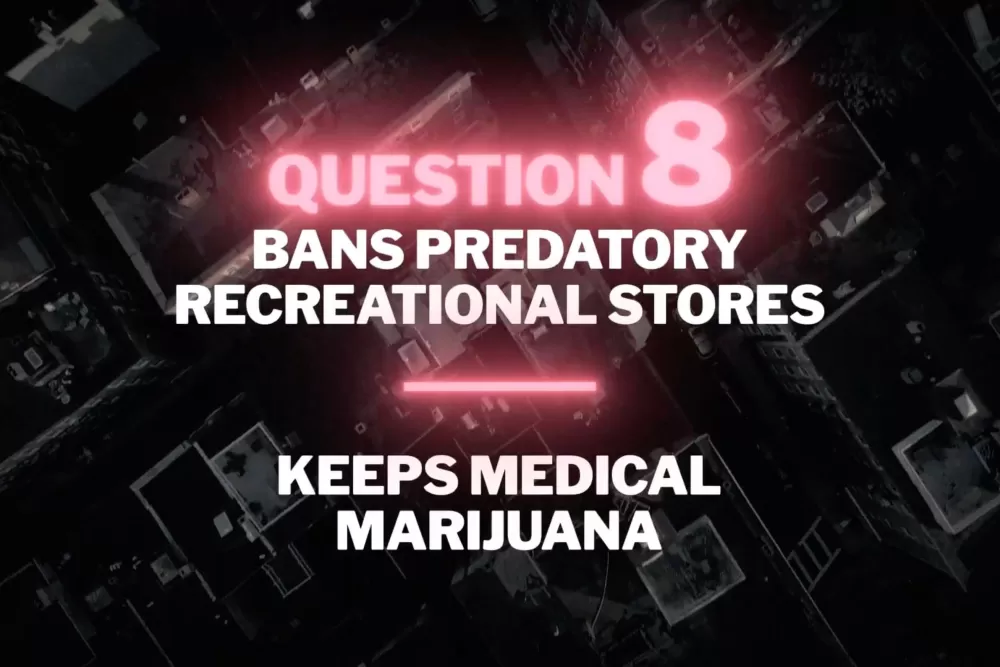
In the latest flash of political theatre, a television ad aired across the state, holding up a grieving mother’s story as a cautionary tale. The commercial, funded by a group supporting Question 8, claims that a woman’s fatal encounter with fentanyl was directly linked to her prior marijuana use. The tagline? "Marijuana leads to fentanyl – think before you light up."
At first glance, the message is stark and simple: a harmless‑looking joint leads to a deadly opioid. It’s a narrative that fits neatly into the broader debate over drug legalization, and it’s the sort of punchy line that sticks in voters’ minds. Yet, as reporters on the ground soon discovered, the story is anything but straightforward.
The woman at the center of the ad – identified only as “Sarah” to protect her family’s privacy – died in early 2024 after a overdose that involved fentanyl, a synthetic opioid far more potent than heroin. Her family, meanwhile, has repeatedly emphasized that they never received any kind of warning about marijuana being a gateway to such a tragedy.
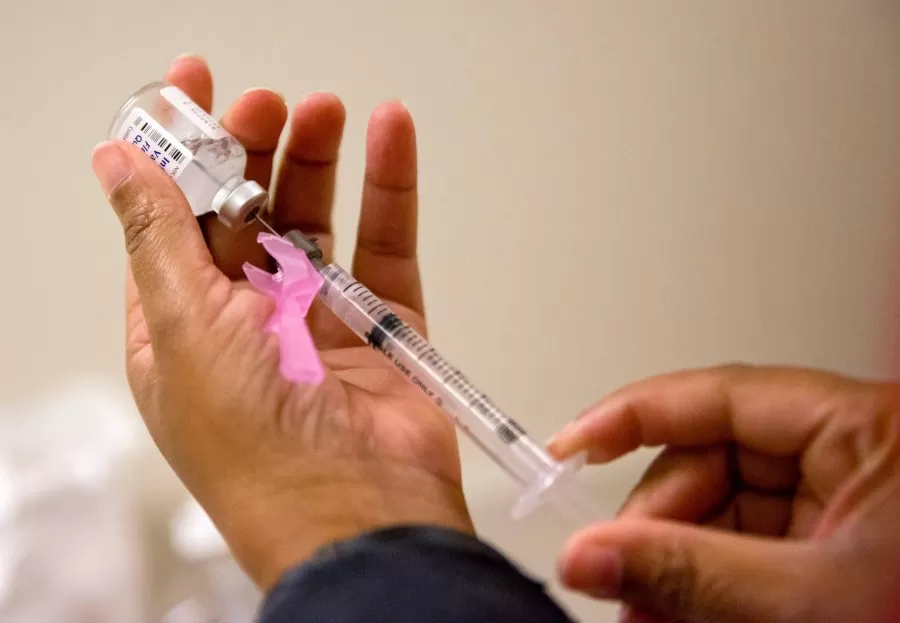
According to the coroner’s report, which was obtained through a public records request, Sarah’s toxicology screen showed multiple substances: fentanyl, a trace amount of THC, and a prescription painkiller she had been taking for chronic back pain. There was also evidence of benzodiazepines, likely prescribed for anxiety. The presence of these drugs together points to a dangerous cocktail, not a single “gateway” substance.
When asked about the ad, Sarah’s sister, Maria, told us, "We’re not saying weed is bad. We’re saying the ad takes our mother’s death and twists it to push a political agenda. It feels like exploitation, plain and simple." Maria added that their family had been dealing with the mother’s escalating health issues for years, and that the fentanyl that claimed her life was a medication originally prescribed for severe pain, not something she sought out on her own.
Medical experts echo this nuance. Dr. Anjali Patel, an addiction specialist at Boston Medical Center, explained, "Fentanyl is often prescribed in very low, controlled doses. The problem arises when it’s obtained illicitly, mixed with other substances, or taken in larger quantities than intended. Adding a bit of THC into the mix doesn’t magically turn a prescription drug into a lethal weapon. It’s the combination, the dosage, and the underlying health conditions that matter."
Indeed, the opioid crisis has long been tied to over‑prescribing, especially of powerful painkillers, rather than to marijuana use. A 2022 study published in the Journal of Substance Abuse found that individuals who used cannabis were no more likely to transition to fentanyl than those who never used cannabis. In fact, some research suggests that cannabis may even reduce the need for high‑dose opioids in chronic pain management – a point that the ad completely sidesteps.
The political group behind the ad, the Question 8 Campaign Committee, defended its approach in a brief statement: "We’re highlighting a real danger – the slippery slope from legal substances to deadly opioids. Our goal is to spark conversation and protect families." The committee did not, however, address the specific facts of Sarah’s case, nor did they offer any data linking marijuana use directly to fentanyl overdoses.
Critics argue that the ad is a classic example of fear‑mongering. "When you take a complex, multi‑factor tragedy and reduce it to a single cause, you’re not informing the public, you’re manipulating them," said political analyst Jamie Liu. Liu noted that such tactics are especially potent in a climate where drug policy is highly polarized.
What’s more, the ad’s timing is no coincidence. With the upcoming ballot measure that would loosen restrictions on recreational marijuana, both sides of the debate are scrambling for any edge. For supporters of Question 8, emphasizing potential risks—even if they’re exaggerated—serves as a rallying cry. For opponents, the ad provides fresh ammunition to call out misinformation.
Meanwhile, Sarah’s family is left to navigate grief while defending her memory against what they call a “political smear.” They have started a modest crowdfunding campaign to cover funeral expenses and to help fund a public awareness initiative about the dangers of poly‑drug use, not just marijuana.
The takeaway? Drug policy, overdose deaths, and personal tragedy are tangled in a web of medical, social, and political threads. Simplifying that web into a single, catchy slogan does a disservice to everyone involved – especially the families who have lost loved ones.
As voters head to the polls, the hope is that they’ll look beyond the glossy soundbites and demand nuance. After all, real lives are at stake, and the truth rarely fits into a thirty‑second commercial.
Editorial note: Nishadil may use AI assistance for news drafting and formatting. Readers can report issues from this page, and material corrections are reviewed under our editorial standards.