The Chaos Behind Sarah J. Maas’ Latest ACOTAR Installment
- Nishadil
- November 06, 2026
- 0 Comments
- 2 minutes read
- 15 Views
- Save
- Follow Topic
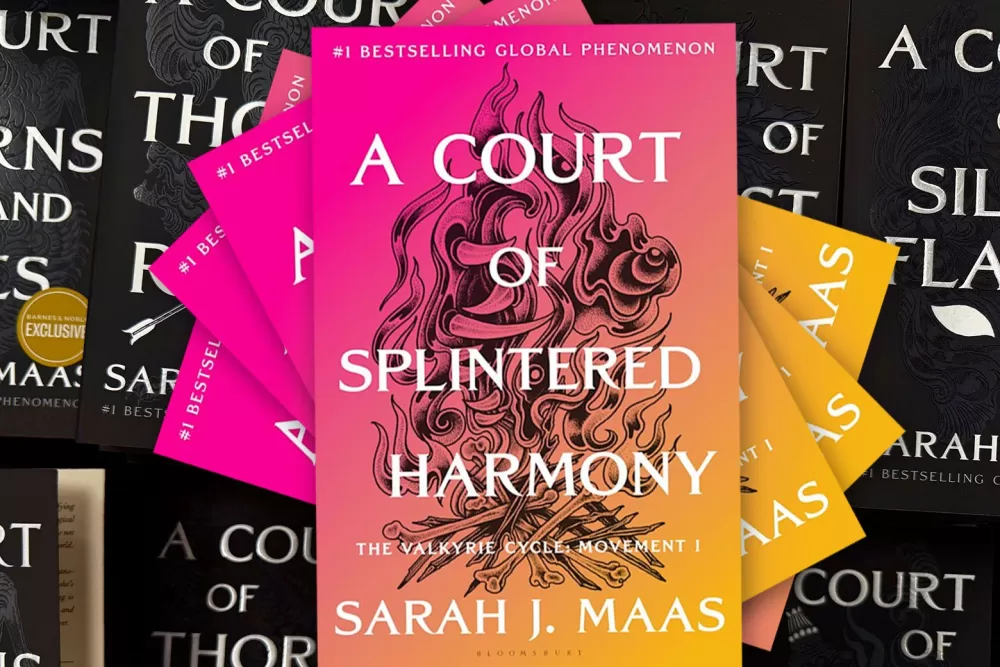
Fans Split Over “A Court of Splintered Harmony” – A Tale of Unfinished Arcs and Cross‑Series Tangents
After a five‑year wait, Sarah J. Maas’ sixth ACOTAR novel lands with massive sales but mixed reviews, as readers grapple with its fragmented structure and unexpected Crescent City crossovers.
When the cover of A Court of Splintered Harmony finally hit shelves on October 27, the buzz was deafening. 1.7 million copies sold on day one, countless TikTok videos, and a whole generation of readers—mostly women aged 18 to 35—eager to dive back into Prythian’s tangled politics.
But the celebration quickly gave way to a chorus of sighs. On Goodreads, the book currently holds the lowest average rating of any title in the ACOTAR saga. Reddit threads and Twitter feeds are littered with complaints that range from “the plot feels unfinished” to “why is Crescent City showing up here?”
At its core, the issue is structural. Maas announced that the story arc of Prythian would be divided into four “movements,” yet she’s cramming the first movement into a standalone volume. The result? A novel that feels more like a long episode of a TV series than a self‑contained book. Readers are left with a lot of seed‑sowing—Feyre and Rhysand adjusting to parenthood, Azriel’s complicated feelings for Elain, and vague hints of an upcoming war—but very few actual sprouts.
For those who assumed the previous entry, A Court of Silver Flames, would be the calm before the final storm, the reality is harsher. Silver Flames was, in hindsight, just the quiet before another brewing conflict. Splintered Harmony picks up the pieces but doesn’t resolve them, leaving fans feeling as though they’ve paid for a full season of a show and only received the pilot.
Complicating matters further is the way essential context is tucked away in a completely different series: Crescent City. Major events that bridge Books 5 and 6 are explained through plotlines in Maas’ third fantasy universe, meaning readers who haven’t followed that series are forced to hunt down another set of books just to understand what’s happening.
Some loyal fans try to look on the bright side, pointing out Maas’s ambition to build a sprawling, interconnected world. Others argue that the ambition has outpaced execution, turning what could be an epic saga into a confusing mess of overlapping narratives.
So, is Splintered Harmony a triumph or a misstep? Sales say it’s undeniably a commercial success. Critical and fan reception, however, suggests the author may need to rethink how she structures her sprawling storytelling—especially when the next movement arrives in just three months with A Court of Forgotten Melody.
Editorial note: Nishadil may use AI assistance for news drafting and formatting. Readers can report issues from this page, and material corrections are reviewed under our editorial standards.