The ‘Battle of the Chrises’: New Zealand’s Next Prime Minister Could Be Either Chris
- Nishadil
- November 06, 2026
- 0 Comments
- 4 minutes read
- 11 Views
- Save
- Follow Topic
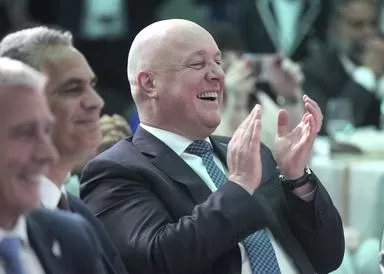
New Zealand’s looming election pits two leaders named Chris against each other – the winner will hand the country a new prime minister named Chris.
Both major parties in New Zealand’s 2026 election are headed by a Christopher – incumbent Prime Minister Christopher Luxon of the National Party and Labour’s Chris Hipkins. Voters will decide which Chris takes the top job.
Wellington is buzzing as the nation heads toward the 2026 general election, scheduled to wrap up this Saturday. The big question on everyone’s lips? Who will be the next prime minister? Oddly enough, the answer is already known – the person who gets there will be called Chris.
That’s because the two biggest parties are each led by a man named Christopher. On the centre‑right side, we have Christopher Luxon, the current prime minister who steered the National Party to victory in 2023 after a surprise defeat of Jacinda Ardern’s Labour government. Across the aisle sits Chris Hipkins, the 48‑year‑old Labour leader who took over from Ardern in early 2023 and has been running the opposition ever since.
Both Chrises are, according to most opinion polls, hovering around the middle of the popularity scale – not exactly crowd‑pleasers, but not outright rejects either. Their shared first name is more than a coincidence; Christopher was a wildly popular baby name in New Zealand until the late 1980s, peaking in 1968 with almost 800 newborns. By 2025, that figure had dropped to a handful, making the coincidence all the more striking.
Luxon, 56, entered politics relatively late – first elected to Parliament in 2020 after a career that saw him run Air New Zealand and hold senior roles at Unilever in North America. He’s a father of two and, unlike many politicians, keeps his Christian faith largely private in a secular country that can be wary of overt religiosity. His government has touted a free‑trade deal with India, export growth and tougher action against criminal gangs, but critics argue the economy is still struggling with high living costs and unemployment. In 2026 he survived two confidence votes within his own party, one triggered by a leadership challenge from former defence minister Chris Penk, who was later dismissed.
Hipkins, on the other hand, grew up in the late‑70s wave of Chrises and rose through the ranks from student‑body president to MP in 2008. He became prime minister without a general election when Ardern stepped down, then led Labour to a defeat later that year. Known for his laid‑back style – he once walked into a press conference in a hoodie, baseball cap and sunglasses, sparking memes – Hipkins has tried to re‑brand himself as an everyman. He focuses his campaign on easing living costs and bolstering public health, but the shadow of his pandemic‑era policies still haunts him in the eyes of many voters.
Beyond the two front‑runners, the political landscape includes other Chrises, such as Transport Minister Chris Bishop, who is often mentioned as a potential future leader for National, and former Defence Minister Chris Penk, who is set to exit politics after the election. Whichever party wins, the country will get a prime minister named Chris – a quirky footnote in New Zealand’s democratic story.
Editorial note: Nishadil may use AI assistance for news drafting and formatting. Readers can report issues from this page, and material corrections are reviewed under our editorial standards.