The '60 Minutes' Controversy That Rocked CBS News
- Nishadil
- October 20, 2026
- 0 Comments
- 2 minutes read
- 13 Views
- Save
- Follow Topic
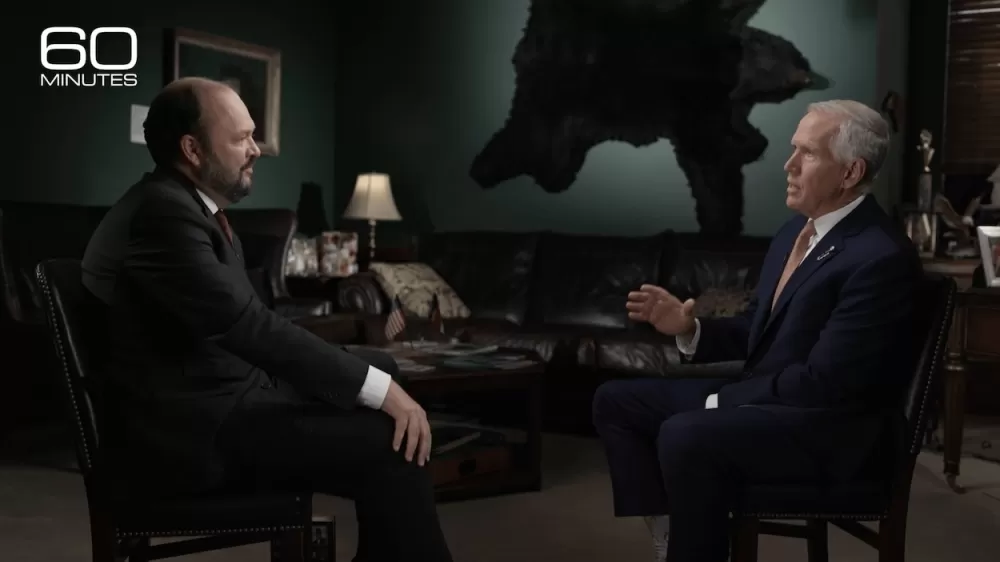
Bari Weiss, Shelved Segments, and the Tug-of-War Over Journalistic Truth
A dramatic last-minute decision by then-CBS News editor-in-chief Bari Weiss to pull a '60 Minutes' segment on Venezuelan deportations ignited a firestorm of debate, raising uncomfortable questions about censorship and media integrity.
Imagine the scene: A major investigative piece, ready to air on one of television's most iconic news programs, "60 Minutes." The clock is ticking, mere hours before its scheduled broadcast on a Sunday evening in late December 2025. Then, abruptly, it's pulled. Not delayed, not slightly edited, but shelved. The person behind this dramatic decision? Bari Weiss, the then editor-in-chief of CBS News.
This wasn't just any story, mind you. The segment in question delved into the deeply troubling plight of Venezuelan men who, under the Trump administration's policies, had been deported from the United States, only to find themselves imprisoned in El Salvador's notoriously harsh CECOT prison. It painted a critical picture, one supported by research from the Human Rights Center at the University of California, Berkeley, and highlighted significant human rights concerns, effectively shining a light on a rather dark corner of international affairs.
So, why the sudden halt? Weiss publicly cited concerns over the segment's perceived insufficient explanation of the legal rationale behind these detentions and deportations. She expressed a desire for a more nuanced discussion, specifically mentioning the Alien Enemies Act and the complexities of judicial review. One might interpret this as a push for greater legal depth, a commitment to presenting all sides of a multifaceted issue, perhaps even an attempt at a more academic approach to journalism.
However, the immediate reaction from many quarters was far less charitable. Critics were quick to accuse Weiss of censorship, suggesting that the timing and nature of the shelving — especially for a report critical of a past administration's immigration policies — raised deeply uncomfortable questions about editorial independence and journalistic integrity. It sparked a firestorm of debate, leaving many to wonder about the true motives behind the last-minute intervention and the delicate balance of power within a major news organization.
Ultimately, the segment did see the light of day, albeit weeks later, airing on January 18, 2026. While its eventual broadcast might suggest a resolution, the incident itself left an indelible mark. It serves as a potent reminder of the constant tension within major news organizations, grappling with the weighty decisions of what gets told, how it's framed, and who ultimately holds the power to shape the narratives that reach the public eye. These aren't just abstract discussions; they fundamentally impact how we understand the world around us.
Editorial note: Nishadil may use AI assistance for news drafting and formatting. Readers can report issues from this page, and material corrections are reviewed under our editorial standards.