Ten Different Diets May Help Slow the Pace of Biological Aging
- Nishadil
- October 21, 2026
- 0 Comments
- 5 minutes read
- 3 Views
- Save
- Follow Topic
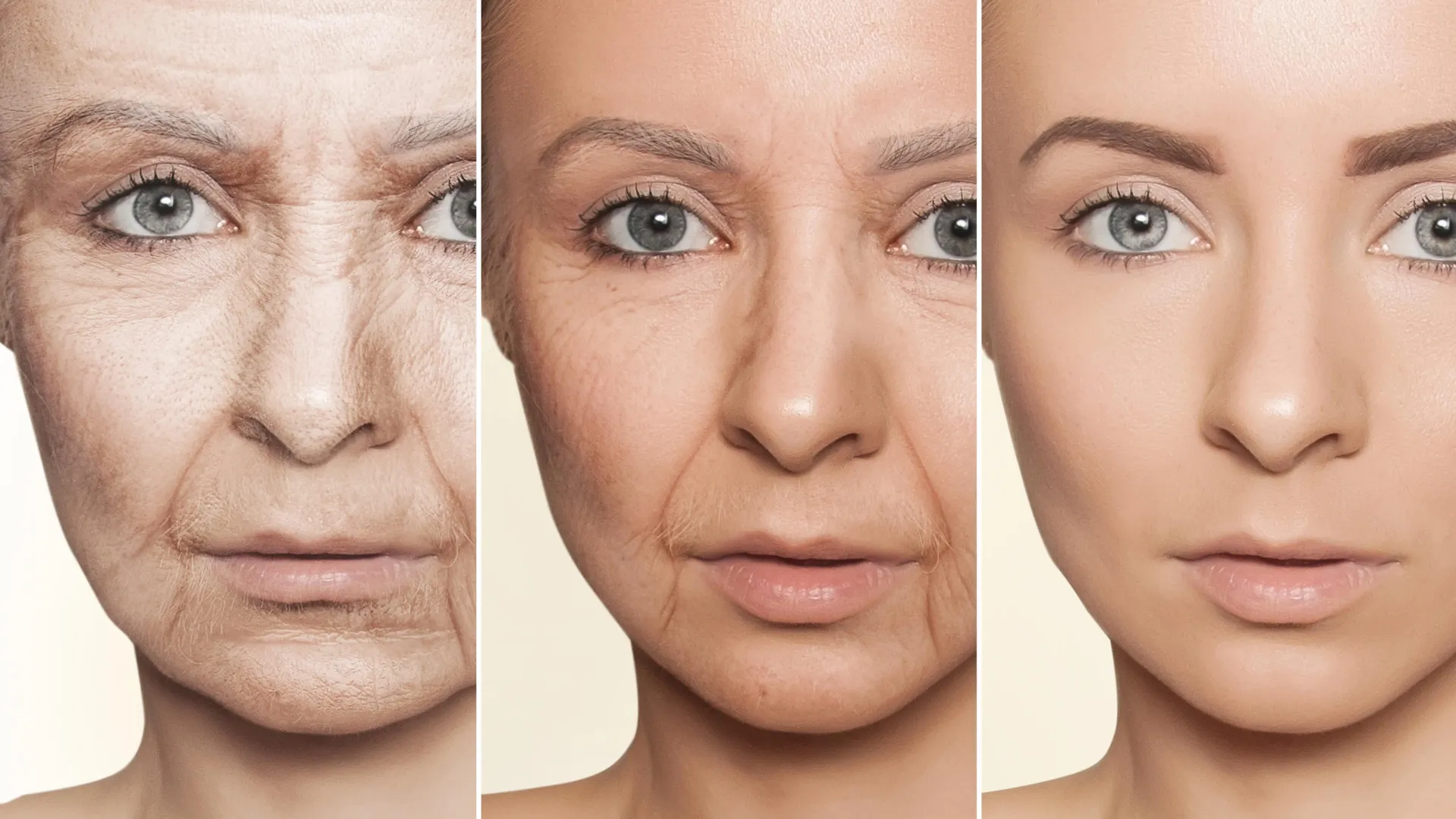
Healthy eating isn’t a one‑size‑fits‑all – a German study finds ten dietary patterns linked to slower cellular aging
A large German cohort study discovered that adherence to any of ten recognized healthy eating patterns— from Mediterranean to plant‑based—correlates with modest but measurable reductions in biological age.
When we think about eating our way to a longer, healthier life, the Mediterranean plate often steals the spotlight. Yet a new study from the German Center for Neurodegenerative Diseases (DZNE) suggests that the spotlight can be shared. Researchers examined roughly 7,500 adults and found that ten distinct “healthy” diets were each tied to slower biological aging.
The team didn’t just count birthdays. Instead, they peered into the participants’ blood, looking for chemical fingerprints on DNA called methylation marks. These marks change in fairly predictable ways as we get older, acting like a molecular clock that tells us how fast—or slow—our bodies are really aging.
To get a reliable read, the scientists applied three separate epigenetic clocks, scanning about 850,000 sites across the genome—roughly twice the coverage of most earlier work. The result? A nuanced picture of biological age that often diverges from the number on a driver’s licence.
Next came the food questionnaire. Participants reported how often they ate foods that define ten popular healthy eating patterns: Mediterranean, Nordic, plant‑based, DASH (the diet designed to lower blood pressure), and six others. Each person received a score for each diet, indicating how closely they followed its guidelines.
Here’s the surprising part: the scores rarely lined up. Someone might score high on the Mediterranean scale but low on the plant‑based one, and vice‑versa. In other words, people who were “healthy eaters” by one standard were not necessarily so by another.
Despite those differences, a clear trend emerged. The better a participant adhered to any of the ten diets, the slower their epigenetic clock ticked. Some diets showed a slightly stronger link—Mediterranean and DASH nudged the clock a tad more—but overall the effect sizes were modest. The takeaway? It’s the big picture of eating well, not the exact recipe, that matters for cellular aging.
Even more intriguing was what the researchers saw among smokers. The diet‑aging connection was actually sharper in smokers than in non‑smokers, despite smokers generally having poorer eating habits. One hypothesis is that the damage from tobacco creates more “room” for healthy food to make a measurable difference. Of course, the study doesn’t soften the well‑known harms of smoking—quit‑ting remains the single most important health decision.
To make sense of how such diverse diets could converge on a similar biological outcome, the scientists dove into the underlying pathways. Each diet nudged a unique set of DNA‑methylation sites, yet many of those sites belong to common biological processes—like inflammation control, metabolic regulation, and stress‑response pathways. In short, different foods may hit overlapping molecular switches that collectively decelerate the aging machinery.
Prof. Monique Breteler, who heads DZNE’s Population Health Sciences, summed it up: “Our findings show that healthy eating and slower biological aging go hand‑in‑hand, but there isn’t a single ‘correct’ diet. This opens the door for personalized, culturally‑sensitive nutrition plans that fit people’s tastes, budgets, and lifestyles.”
What does this mean for you? If you’re already enjoying fish‑rich Mediterranean meals, you’re on a good track. If you prefer the lean‑meat focus of the Nordic diet, or the colorful plant‑forward plates of a vegan menu, those choices also seem to keep your cellular clock from racing ahead.
Ultimately, the study reinforces a timeless piece of advice: a varied, nutrient‑dense diet—whatever form it takes—offers a modest but real edge in the fight against age‑related diseases like dementia and heart trouble. And while no single diet will magically stop the clock, each healthy bite adds up, giving you a little extra time.
Editorial note: Nishadil may use AI assistance for news drafting and formatting. Readers can report issues from this page, and material corrections are reviewed under our editorial standards.