Telefónica and IQM Deploy Madrid’s First Quantum Computer
- Nishadil
- October 24, 2026
- 0 Comments
- 3 minutes read
- 4 Views
- Save
- Follow Topic
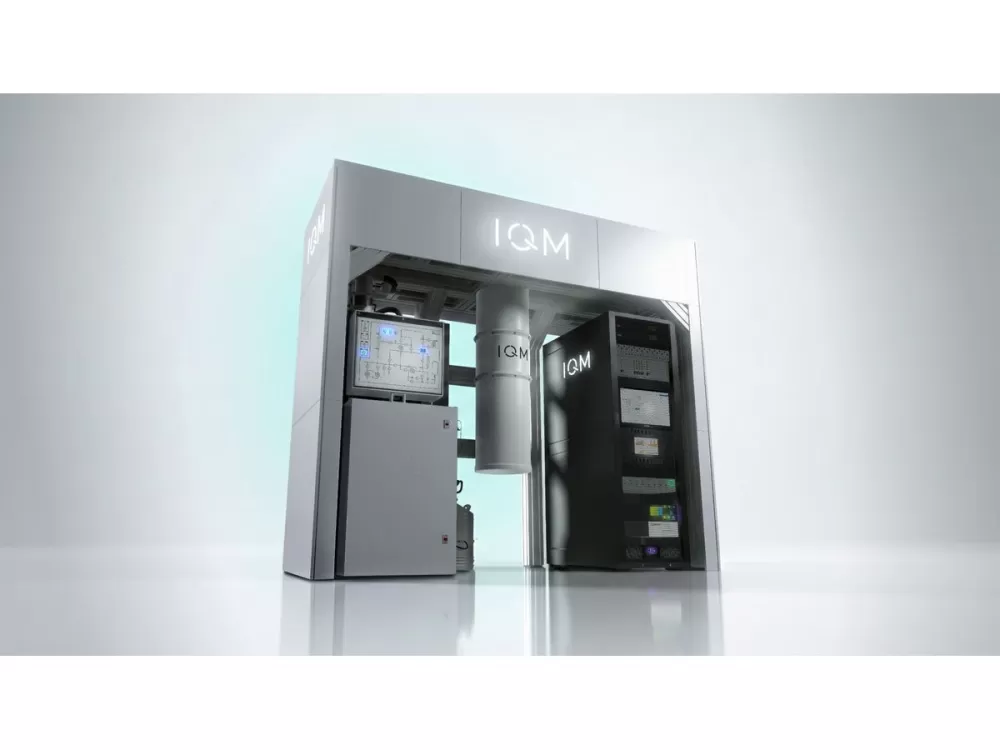
Madrid gets its first quantum computer – a joint effort by Telefónica and IQM to spark industry‑focused research and innovation.
Telefónica and Finnish quantum‑computing leader IQM are installing an IQM Spark system at the Universidad Politécnica de Madrid. The move gives local universities, hospitals, start‑ups and businesses hands‑on access to real quantum hardware, paving the way for practical use‑cases across the Community of Madrid.
In a quiet hallway of the Universidad Politécnica de Madrid, a team of engineers is busy unpacking a box that looks nothing like a traditional server. Inside sits the IQM Spark – a sleek, all‑in‑one quantum computer that will become the first of its kind in the Community of Madrid.
Telefónica, Spain’s telecom giant, and IQM Quantum Computers, a Finnish pioneer in superconducting quantum tech, announced the partnership earlier this month. Their goal? To give researchers, students and local firms a real‑world playground for quantum algorithms, not just a simulated sandbox.
The Spark system is slated to be up and running before the year ends. Once operational, it will sit alongside two other IQM machines that Telefónica helped place at the Galician Supercomputing Centre (CESGA), making Spain home to three cutting‑edge quantum devices.
Why does this matter for Madrid? For one, it dramatically expands the region’s capacity to develop quantum know‑how locally. Universities can now run experiments on actual qubits, hospitals can explore quantum‑enhanced drug simulations, and start‑ups can test optimisation models that could one day shave weeks off supply‑chain planning.
“This project marks another step forward in Telefónica’s close collaboration with the Community of Madrid in the deployment of quantum technologies,” said Borja Ochoa, non‑executive Chairman of Telefónica España and CEO of B2B. “From protecting critical data with post‑quantum cryptography to now offering researchers a tangible quantum machine, we’re building a full‑stack ecosystem that benefits citizens, businesses and public services.”
Beyond the academic buzz, the initiative is also a strategic push for European technological sovereignty. By fostering a home‑grown quantum ecosystem, Madrid hopes to attract talent, encourage spin‑outs and cement its reputation as a digital‑innovation hub.
In practical terms, the collaboration means that a biotech lab in Alcalá de Henares could, for example, run quantum‑based molecular‑docking simulations without needing to ship data to a foreign data centre. A logistics firm in Getafe might experiment with quantum‑inspired routing algorithms that cut fuel consumption. Those are the kinds of concrete use‑cases the partners envision.
Telefónica will also leverage its massive network infrastructure to ensure that the quantum computer can communicate securely with data centres across Spain, using the company’s pioneering post‑quantum encryption standards.
All in all, the Madrid quantum debut is less about a single machine and more about building a fertile ground where academia, industry and government can mingle, experiment and eventually commercialise quantum breakthroughs.
Editorial note: Nishadil may use AI assistance for news drafting and formatting. Readers can report issues from this page, and material corrections are reviewed under our editorial standards.