Tech Titans Stumble: Midterm Jitters Spark Painful Sell-Off and AI Reevaluation
- Nishadil
- November 06, 2026
- 0 Comments
- 3 minutes read
- 10 Views
- Save
- Follow Topic
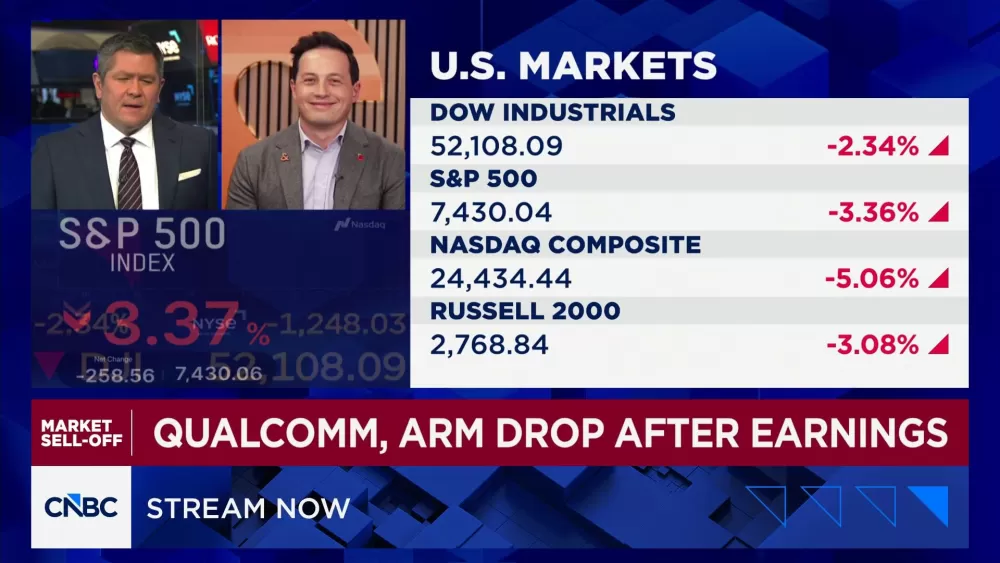
Post-Election Fallout: Tech Sector Reels as Investors Reassess AI's Future Amidst Regulatory Fears
November 2026 saw a sharp tech market downturn, fueled by midterm election results and a reevaluation of AI investments. Experts like Richard Clode describe a 'buyer's strike' and 'forced selling' as the Nasdaq plunged, signaling a period of significant uncertainty for the industry.
Well, it's been quite a tumultuous stretch for tech investors, hasn't it? November 2026 certainly kicked off with a jolt, as the market reacted sharply to the recent midterm election results. We saw some truly painful declines across the board, sending a ripple of concern through a sector that, honestly, had been enjoying a rather robust run.
It seems the Democratic Party's unexpected electoral successes sparked a bit of unease, particularly concerning potential new regulations. The market, ever-sensitive, started re-evaluating the red-hot AI sector, wondering if those ambitious data-center expansion plans might face new hurdles. Think about it: more regulatory scrutiny could definitely throw a wrench into things, especially for large-scale infrastructure projects. This wasn't just a minor dip; it represented a fundamental re-assessment of where AI investments stand in this new political landscape.
Richard Clode, a sharp technology portfolio manager over at Janus Henderson, really articulated the mood. He described what he saw as 'pretty painful' declines and, perhaps more tellingly, a 'buyer's strike' in the market. It was almost as if investors collectively pressed pause. He even pointed to 'forced selling' exacerbating the downturn, suggesting that some of the declines were driven by necessity rather than choice. And crucially, he highlighted a very real concern: this post-election uncertainty could easily delay critical data-center projects, particularly in places like Texas, which are usually hubs for such development. That's a tangible impact, not just market sentiment.
The numbers really tell the story, don't they? We're talking about a significant hit: the Nasdaq 100, a bellwether for tech, plunged a whopping 6.4%. The broader S&P 500 wasn't spared either, dropping 4.4%. It felt widespread, a true retreat across the sector, impacting nearly every corner. Industry leaders and analysts, from Larry Adam at Raymond James to Victoria Greene at G Squared Private Wealth, and even Josh Brown, all echoed sentiments of caution and a market grappling with fresh uncertainties.
It's all feeding into this charged narrative around AI. Investors are grappling with the sustainability of this growth, now with the added layer of potential regulatory scrutiny. The question isn't whether AI is transformative, but rather, what roadblocks might emerge. Rob Sechan of Newedge Capital Group and Peter Boockvar of OnePoint BFG Wealth Partners, among others, have pointed to the increased volatility and the general hesitancy as the market processes these shifts. This isn't just about the immediate losses; it's about the future trajectory.
Now, it wasn't all doom and gloom, thankfully. A few bright spots did emerge from the wreckage. Motorola Solutions, for instance, managed to demonstrate some impressive resilience, as did Sony. These outliers really stand out when so much else was heading south, perhaps offering a glimpse into companies with more stable, less speculative foundations in the current environment.
Ultimately, the tech world is holding its breath. The initial shock of the midterms and the subsequent re-evaluation of AI investments have created a truly volatile landscape. Everyone's watching, waiting for clarity, and trying to gauge just how much these new political currents will shape the future of tech growth. It’s a moment of reckoning, for sure.
- Health
- UnitedStatesOfAmerica
- News
- Technology
- BusinessNews
- HealthNews
- Markets
- Videos
- Sony
- SP500
- AIArtificialIntelligence
- MarketVolatility
- DataCenters
- MotorolaSolutions
- Nasdaq100
- MidtermElections
- Cnbc
- Neutral
- BreakingNewsMarkets
- AiInvestments
- RegulatoryScrutiny
- BreakingNewsTechnology
- SquawkOnTheStreet
- TechSelloff
- CnbcTv
- JanusHenderson
- November2026
- ForcedSelling
- RichardClode
- BuyerSStrike
- TexasProjects
Editorial note: Nishadil may use AI assistance for news drafting and formatting. Readers can report issues from this page, and material corrections are reviewed under our editorial standards.