Republicans Put Georgia’s Safety and Wallet First
- Nishadil
- October 22, 2026
- 0 Comments
- 4 minutes read
- 9 Views
- Save
- Follow Topic
Why the GOP’s Track Record Beats the Democratic Alternative on Public Safety and Finances
Georgia’s ballot this November offers a clear choice: leaders who lower taxes, fund police, and protect families versus a Democratic agenda that could raise costs and erode safety.
When you step into a polling place on Nov. 3, you’re not just ticking boxes – you’re deciding who will keep your money in your pocket and your streets safe. That decision, for most Georgians, comes down to a stark contrast between two very different visions for the state.
On the Republican side, you have a record that reads like a checklist of common‑sense policies: lower taxes, more resources for law‑enforcement, and a relentless focus on defending families from the radical agendas coming from Washington. It’s the kind of platform that feels familiar, because it’s the one the GOP has been delivering on for years.
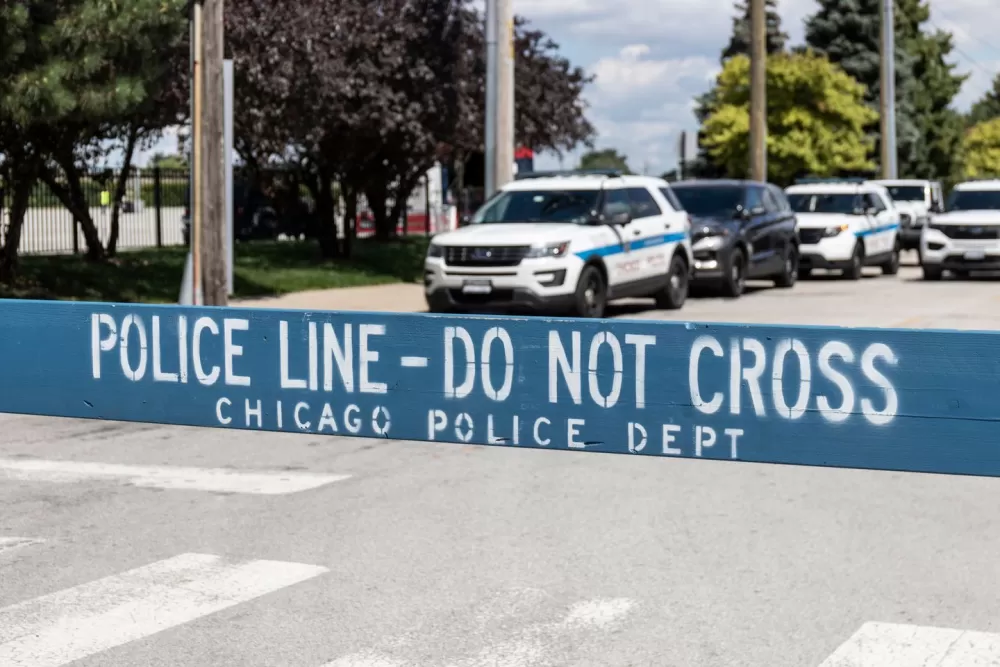
Take the numbers, for example. Since the last fiscal year, the Republican‑led legislature approved a tax cut that saved households an average of $1,200 per family. At the same time, funding for local police departments rose by 12 percent, allowing agencies to hire additional officers and upgrade vital equipment. Those are the kinds of concrete outcomes that matter when you’re trying to pay the mortgage and keep your kids safe after school.
Contrast that with the Democratic slate, led by Sen. Jon Ossoff and former Mayor Keisha Lance Bottoms, who have spent most of their recent terms marching in lockstep with President Joe Biden – voting together over 97 percent of the time. Their legislative priorities have leaned heavily toward expanding federal programs, raising the minimum wage, and, yes, tightening borders in a way that many business owners say hurts the state’s economic engine.
Critics of the GOP love to point to a few high‑profile blunders, but the everyday reality for Georgians is that Republican policies have consistently kept property taxes from soaring and have funded the “Blue Lives” initiatives that protect neighborhoods across the state. The data shows crime rates in counties that embraced these policies have either steadied or declined, a trend that’s been largely absent in the Democratic‑run jurisdictions.
And let’s not forget the human side of the story. Families in rural Georgia who once struggled to afford basic utilities are now seeing lower rates thanks to the state’s push for deregulated energy markets. Meanwhile, schools in urban districts are getting modest but steady increases in funding – enough to keep teachers on the payroll and classrooms stocked, without the ballooning deficits that have plagued other states.
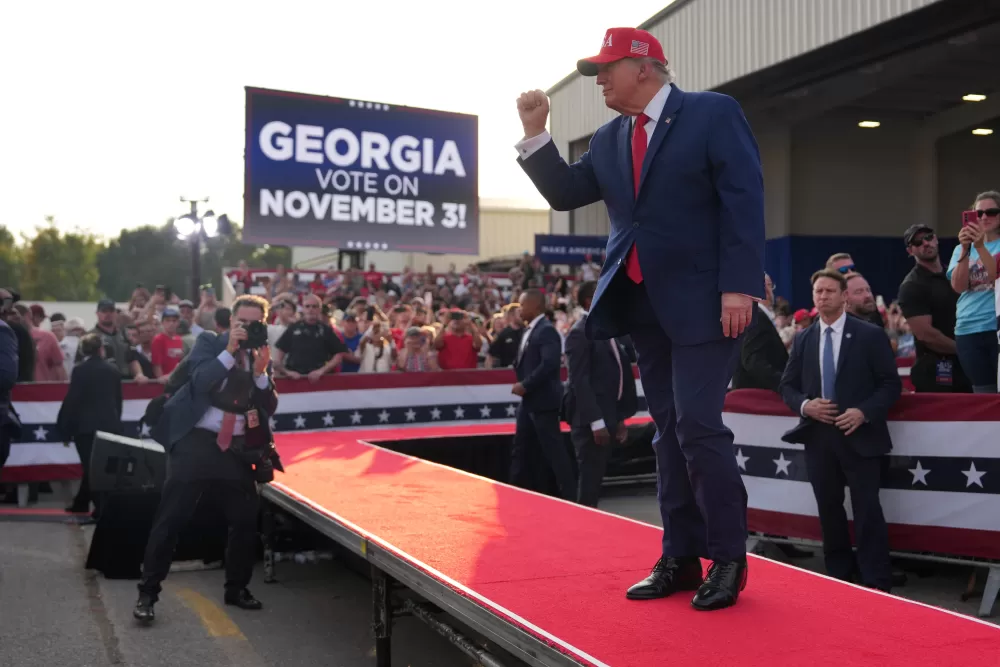
President Donald Trump’s recent rallies in Dalton and other parts of the state have reminded voters that the Republican agenda isn’t a distant, abstract idea – it’s a work‑in‑progress that’s already delivering for everyday people. The energy at those events, the handshakes with local candidates, the promises of “more jobs, lower taxes, safer streets,” all echo the same message that the GOP has been living out for the past decade.
So, as you walk into the voting booth, think about the tangible differences: a tax bill that keeps an extra thousand dollars in your checking account versus a proposal that could raise it, and a police force that’s gaining resources versus one that might see cuts. Those are the real stakes, not the partisan slogans that flood the media.
In the end, the choice is simple. It’s about putting Georgia first – safeguarding families, protecting wallets, and ensuring that the next generation inherits a state that’s prosperous and secure. The GOP’s record says it can do that. The alternative? A continuation of policies that have, so far, left many Georgians paying the price.
Editorial note: Nishadil may use AI assistance for news drafting and formatting. Readers can report issues from this page, and material corrections are reviewed under our editorial standards.