Porter Plan Commission Gives Green Light to Goat Farm Development
- Nishadil
- October 23, 2026
- 0 Comments
- 2 minutes read
- 13 Views
- Save
- Follow Topic
Town approves mixed‑use project with goat farm, townhomes and a farmer’s market, pending council sign‑off
The Porter Plan Commission voted unanimously to move forward with a 25‑acre mixed‑use development that will feature a small goat farm, residential units, a market and event space. Traffic studies and signage rules are now heading to the town council.
After a series of four meetings that stretched back to June, the Porter Plan Commission finally gave its unanimous nod to a rather unusual development plan: 25 acres of woodlands off U.S. 20 will soon host town‑house apartments, short‑term rentals, a farmer’s market, a restaurant, an event center and—yes—a modest goat farm aimed at agri‑tourism.
Developer Kevin Spellacy, who describes himself as an entrepreneur, was visibly relieved. “It’s been a detailed, in‑depth, long process. But we’re moving forward,” he told the commission after the vote.
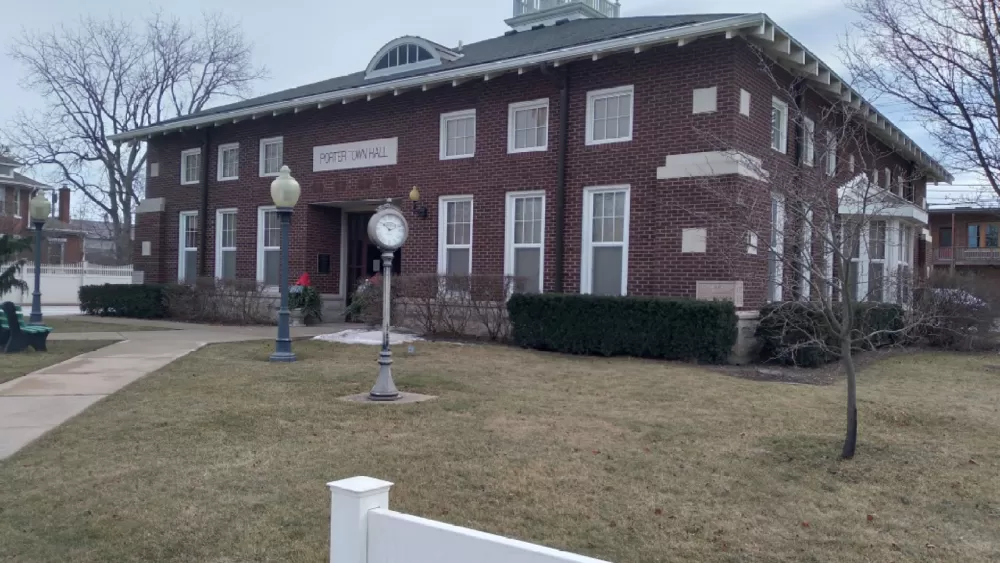
The approval, however, is just the first rung on the ladder. The ultimate go‑ahead comes from the Porter Town Council, which will review the Planned Unit Development (PUD) agreement and decide whether to green‑light construction.
One of the biggest sticking points for both commission members and nearby residents is traffic. The commission asked for a traffic impact study to gauge how the project would affect the already‑busy U.S. 20 corridor, especially at the Oak Hill Road and Wagner Road intersections, which locals say are “dangerous.”
Spellacy hired a Texas‑based firm for the study. Their findings showed an average daily traffic count of about 11,452 vehicles along U.S. 20, with the development adding roughly a 3 % bump—an increase the developer says is manageable.
Nevertheless, neighbors worry that even a small uptick could exacerbate safety concerns. Spellacy countered, pointing out that the proposed entrance would improve sight lines compared to the current angled intersections.
Another condition the commission laid down concerns signage. While Spellacy expressed interest in installing a digital billboard on the south side of the property near Interstate 94, town development director Michael Barry clarified that the Indiana Department of Transportation would have the final say on any billboard permits.
In terms of phasing, Spellacy laid out a step‑by‑step roadmap: first, the construction of town‑house apartments and a handful of short‑term rentals; later, the rollout of the goat farm, farmer’s market, restaurant and event space. He emphasized that most of the land’s natural topography—three ravines and sloping terrain—will be preserved to keep the area’s woodland feel.
The idea originally floated around the Indiana State Fairgrounds in Indianapolis, but the developer eventually settled on the current site, which sits close to both the Indiana Dunes National and State Parks. If the town council signs off, the project could become a quirky yet appealing stop for visitors seeking a slice of rural charm without leaving the suburbs.
Editorial note: Nishadil may use AI assistance for news drafting and formatting. Readers can report issues from this page, and material corrections are reviewed under our editorial standards.