Poison Ivy Stripped of the Green—A Fresh Start for Gotham’s Botanist
- Nishadil
- November 06, 2026
- 0 Comments
- 4 minutes read
- 11 Views
- Save
- Follow Topic
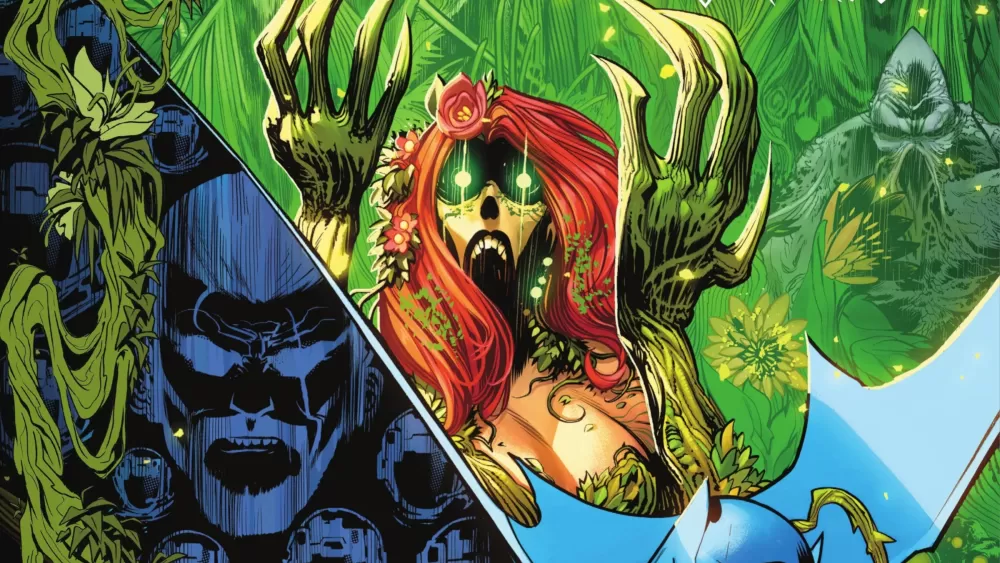
Poison Ivy loses the source of her powers, and it might be the best thing for her
After Batman: Bad Seeds, the Parliament of Trees revokes Ivy’s connection to the Green, leaving her powerless, out of office and on the run. What could this mean for the iconic villain‑turned‑anti‑hero?
When the final issue of Batman: Bad Seeds slammed its doors, it didn’t just end a story—it ripped the very root of Poison Ivy’s power. The Parliament of Trees, that ancient arboreal council that’s given Ivy god‑like control over plant life for years, declared her unworthy and yanked the Green out of her hands. Suddenly, the woman who could coax a skyscraper into a jungle is back to being… well, just Pamela Isley.
It’s a wild shift because, for most readers, Ivy’s plant powers have been the defining thing since she first stalked the pages of Batman #181 in 1966. Back then she was a botanist named Lillian Rose, a very human threat with a poison‑tipped mind. Over the decades she evolved—first into the toxin‑immune Pamela Isley, then into an avatar of the Green that could literally reshape Gotham’s skyline. That evolution has made her both iconic and, at times, almost untouchable.
Now, with the Green gone, Ivy is left without super‑strength, without the ability to turn the city into a verdant nightmare, and—surprise—without the mayor’s badge she briefly wielded. She’s on the way to a hospital, facing a probable prison sentence, and still clutching a fierce love for Harley Quinn. It’s a mess, it’s messy, and that mess could be exactly what writers need.
One easy‑to‑predict route would be to have Ivy storm back into the forest, beg for another gift, and get her powers restored. But G. Willow Wilson’s recent run has already shown us that Ivy’s journey is anything but linear. She’s not just a plant‑based powerhouse; she’s a character with politics, romance, activism, and a bruised ego. Removing the Green forces us to see what remains when the vines are gone.
Remember that before the Green, Ivy was already a threat because of her immunity to toxins and her scientific genius. Those roots are still there. The old retcons—Jason Woodrue’s poisonous experiment, the secret‑origin swaps—can be mined for fresh conflict. Maybe Ivy decides to use her botanical knowledge to help Gotham rebuild, teaming up with Batman to clean up the ecological mess she created. Or perhaps she goes darker, hunting the Parliament of Trees herself, turning the tables on the very entity that abandoned her.
There’s also room for the more human side of Ivy to shine. Her friendship‑turned‑romance with Harley Quinn has become a fan‑favorite; a jailbreak‑styled road trip could give us laughs, heartache, and a chance to explore Ivy’s softer side without the overlay of planetary-scale powers. Imagine Ivy, Harley, and a handful of reluctant allies planting community gardens in the wreckage of Gotham—tiny, hopeful acts that contrast with the grandiose eco‑terror she once pursued.
Whatever direction the writers choose, the loss of the Green is a narrative gift. It strips away the overpowered veneer and forces the character to grapple with who she is when she’s not an avatar of nature. That kind of character work is rare in the DC universe, which often leans on reboots or cosmic events to refresh heroes and villains.
In short, Ivy’s power vacuum opens dozens of doors: a vendetta against the Parliament, redemption arcs with Batman, or a wild, chaotic partnership with Harley that could take us from prison cells to tropical beaches. The key is to let her decide—because after all, the most compelling stories are the ones where the hero or anti‑hero defines her own fate.
What do you think? Will Poison Ivy reclaim the Green, or will she blossom into something entirely new? The conversation is just beginning.
Editorial note: Nishadil may use AI assistance for news drafting and formatting. Readers can report issues from this page, and material corrections are reviewed under our editorial standards.